
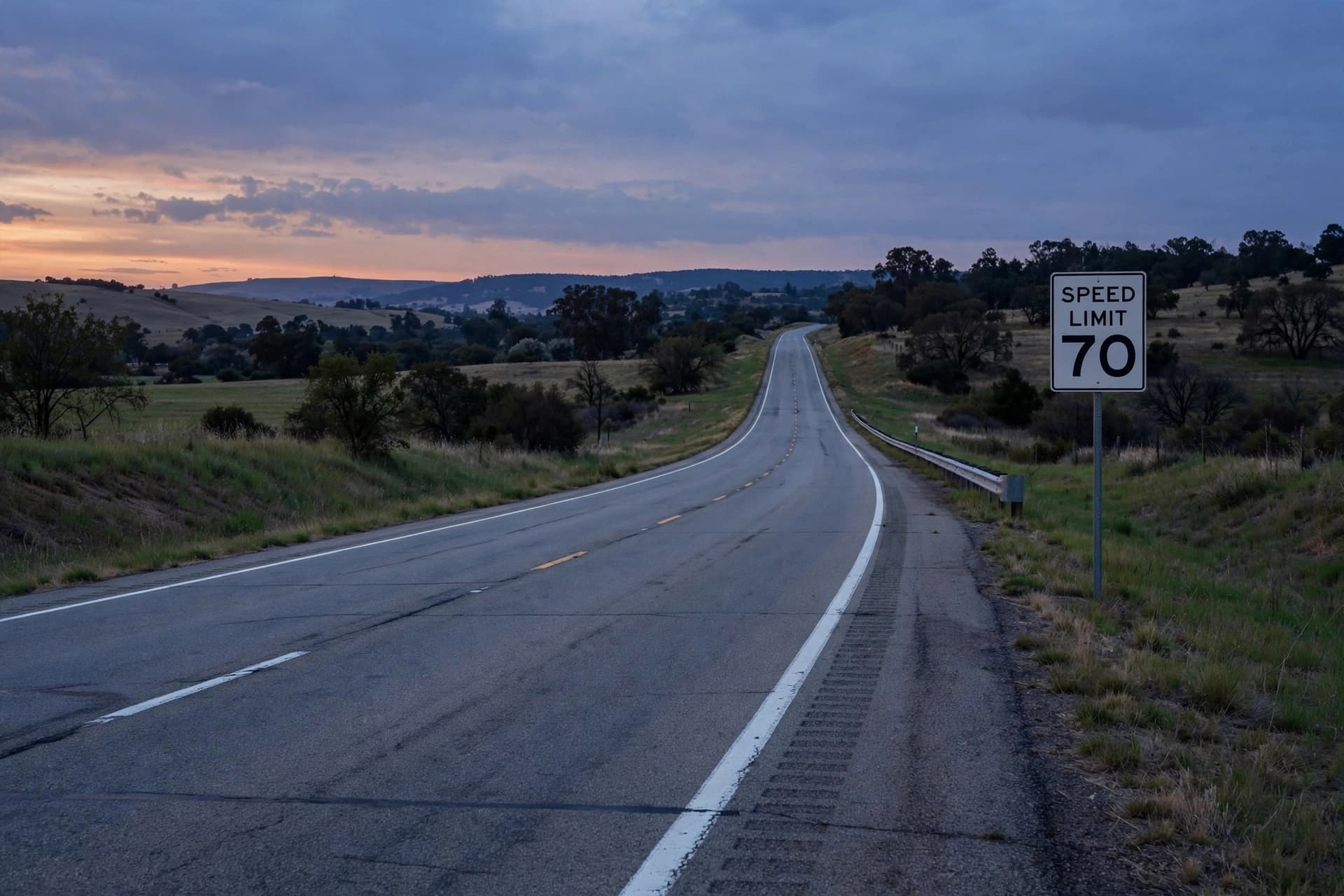
A coroner's finding is a document that arrives after the sirens have faded and the road has been cleared, after the flowers have wilted and the family has begun the long work of learning to live with absence. It is a reconstruction, pieced together from skid marks and toxicology reports, from witness statements and the quiet geometry of a crash scene. In this case, the finding describes a driver traveling at 118 kilometers per hour through a 70 zone, his blood alcohol level described as extreme, his life ending in the same moment he might have believed he was in control.
The details of this specific incident have not been matched to publicly available reports from Australian sources. Similar cases from other jurisdictions illustrate the pattern. In Greater Manchester, an inquest heard how 23-year-old Will Place drove at speeds exceeding 70mph after a night of drinking, passing a red light before crashing into a pub. A jury found that alcohol played a contributing factor to his decision-making, and that his speed was excessive throughout the pursuit . His aunt told the court that he "made a terrible decision that night and paid for it with his life" .
In South Korea, a driver who had consumed ten bottles of soju with friends drove at 118 kilometers per hour through a residential area, striking and killing an 18-year-old on an electric scooter. His blood alcohol concentration was 0.155 percent—nearly twice the legal limit for license revocation. He argued at trial that he had been "capable of driving," an assertion the court rejected, noting nine prior instances of reckless driving including signal violations and speeding .
The common thread in these cases is not the specific speed or the specific blood alcohol level, but the moment of decision that precedes every fatal crash. The decision to drive after drinking is rarely made in a single instant. It is the accumulation of smaller choices—another drink, another hour, the belief that one is fine, that the distance is short, that nothing will happen. Coroners' findings often describe this trajectory not as a single error but as a cascade of judgments that, in retrospect, seem impossible to have made.
What coroners can do is document. They can identify the factors: speed, alcohol, road conditions, vehicle stability. They can recommend changes to licensing, to education, to enforcement. But they cannot undo the choice or soften its consequence. The finding is a record, not a remedy. It tells a family what happened, in the precise language of evidence, but it cannot tell them why, not in any way that satisfies the heart.
For the public, these findings serve as a kind of instruction, however grim. They remind us that the margin between an ordinary drive and a fatal crash is measured in seconds and in choices. They remind us that the legal limit is not a target to approach but a boundary that, when crossed, alters everything. And they remind us that the people who die in these crashes are not statistics but individuals whose absence leaves a permanent mark.
The coroner's findings in this case are a matter of public record. The investigation into the circumstances has concluded, and the recommendations, if any, will be considered by relevant authorities. What remains is the quiet aftermath that follows every such finding: a family's grief, a community's memory, and the hope that others might learn what this driver did not have the chance to.
---
AI Image Disclaimer: This article uses AI-generated visuals for illustrative purposes only. They are not photographs of the individuals or events described.
Sources: BBC News, JoongAng Daily
Published by Banx Network. This article is part of the Banx decentralized media programme, powered by the BXE token on the XRP Ledger.

.jpg&w=3840&q=75 "Kabale Lightning Strike: Severe Thunderstorm Kills Two Farmers in Rural Uganda")
.jpg&w=3840&q=75 "Armed Cattle Rustling Attack: Samburu Raid Leaves Four Dead and Two Injured")