
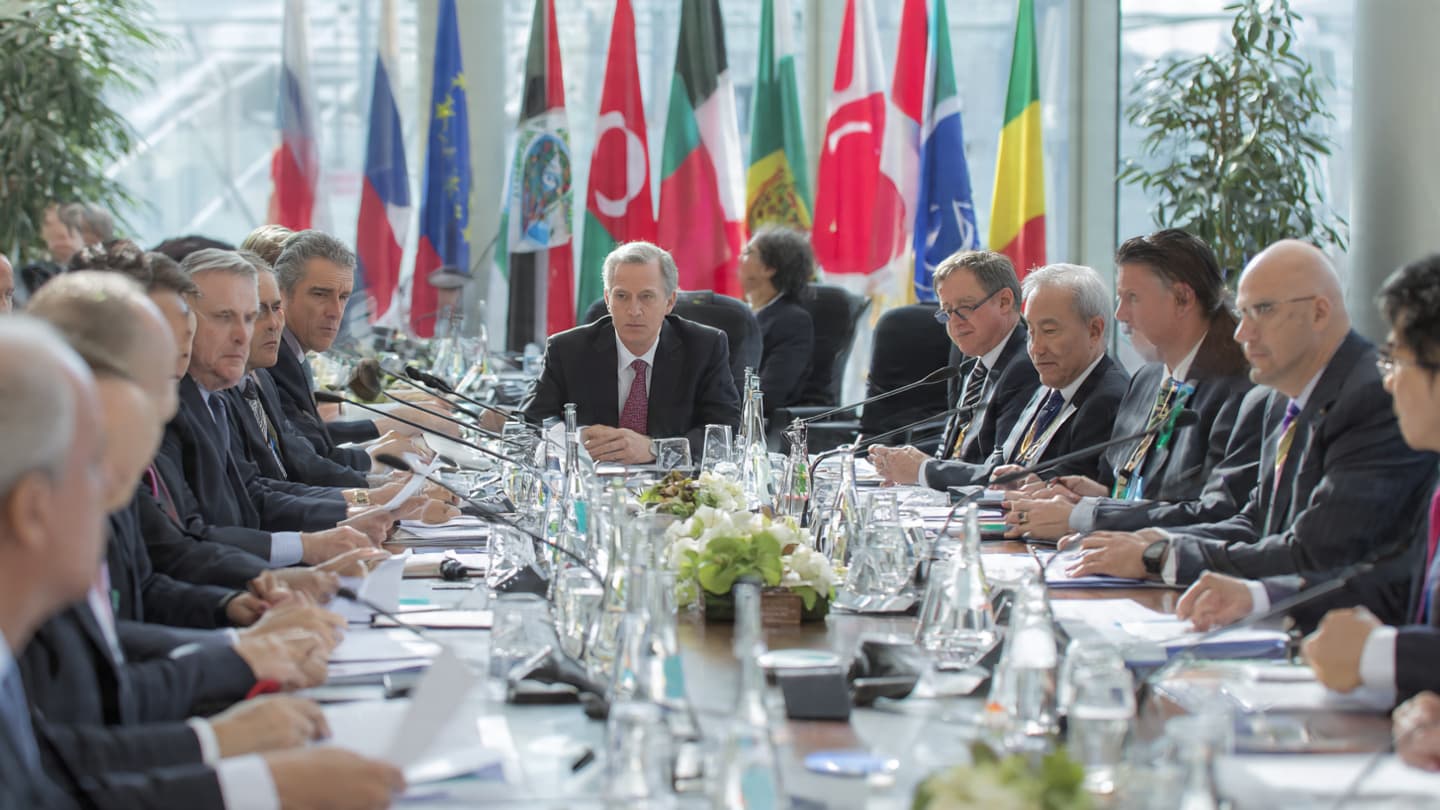
The Middle East has witnessed countless diplomatic initiatives over the decades, each shaped by its own historical circumstances and political realities. Some achieved meaningful progress, while others struggled against the weight of unresolved disagreements. Today, renewed attention is focusing on reports that a new peace framework may be taking shape through ongoing diplomatic efforts.
The initiative reflects a recognition that stability cannot be sustained through security measures alone. Economic cooperation, political engagement, and regional dialogue are increasingly viewed as important elements in building long-term confidence among different stakeholders.
American officials have indicated that discussions are advancing, although significant work remains. Diplomatic frameworks often require extensive consultation involving governments, institutions, and regional actors whose interests do not always align perfectly. The process therefore demands both patience and flexibility.
Supporters of the initiative argue that changing regional dynamics may create opportunities that were previously unavailable. Economic modernization efforts, shifting strategic priorities, and growing interest in regional connectivity have altered the political landscape in important ways.
The proposed framework reportedly seeks to encourage cooperation across multiple areas. Economic partnerships, investment initiatives, infrastructure development, and security coordination are among the topics frequently associated with discussions regarding regional stability.
Observers note that successful diplomatic frameworks often rely on practical benefits rather than symbolic gestures alone. When communities and governments perceive tangible advantages, support for long-term cooperation can become easier to sustain. Economic incentives therefore play a meaningful role in many contemporary peace initiatives.
Challenges, however, remain substantial. Historical grievances, territorial disputes, and security concerns continue influencing relationships throughout the region. Any comprehensive framework must account for these realities while offering pathways toward gradual improvement.
Regional governments have responded with cautious interest. Many recognize the potential advantages of greater stability, particularly in areas related to trade, investment, and development. At the same time, policymakers remain aware that diplomatic ambitions must ultimately be matched by practical implementation.
The United States continues positioning itself as a facilitator of dialogue and cooperation. Its involvement reflects both strategic interests and a broader commitment to supporting regional stability. Whether the current initiative achieves lasting results will depend on numerous factors beyond any single government’s control.
For now, the discussions represent another attempt to move beyond cycles of uncertainty and confrontation. The path forward may be complex, but the pursuit of common ground remains one of diplomacy’s most enduring objectives. In a region shaped by history, the possibility of a new chapter continues to attract global attention.
AI Image Disclaimer
Visuals are created with AI tools and are not real photographs.
Sources
Reuters, Associated Press, The Wall Street Journal, Financial Times, The Straits Times
Note: This article was published on BanxChange.com and is powered by the BXE Token on the XRP Ledger. For the latest articles and news, please visit BanxChange.com