

Key Highlights
- Proposed Structure:A 250-foot triumphal arch linked to President Trump is under discussion.
- Construction Timeline:Plans suggest construction could occur for up to 20 hours daily over two to three years.
- Public Impact:The project raises concerns about traffic changes and environmental effects in the area.
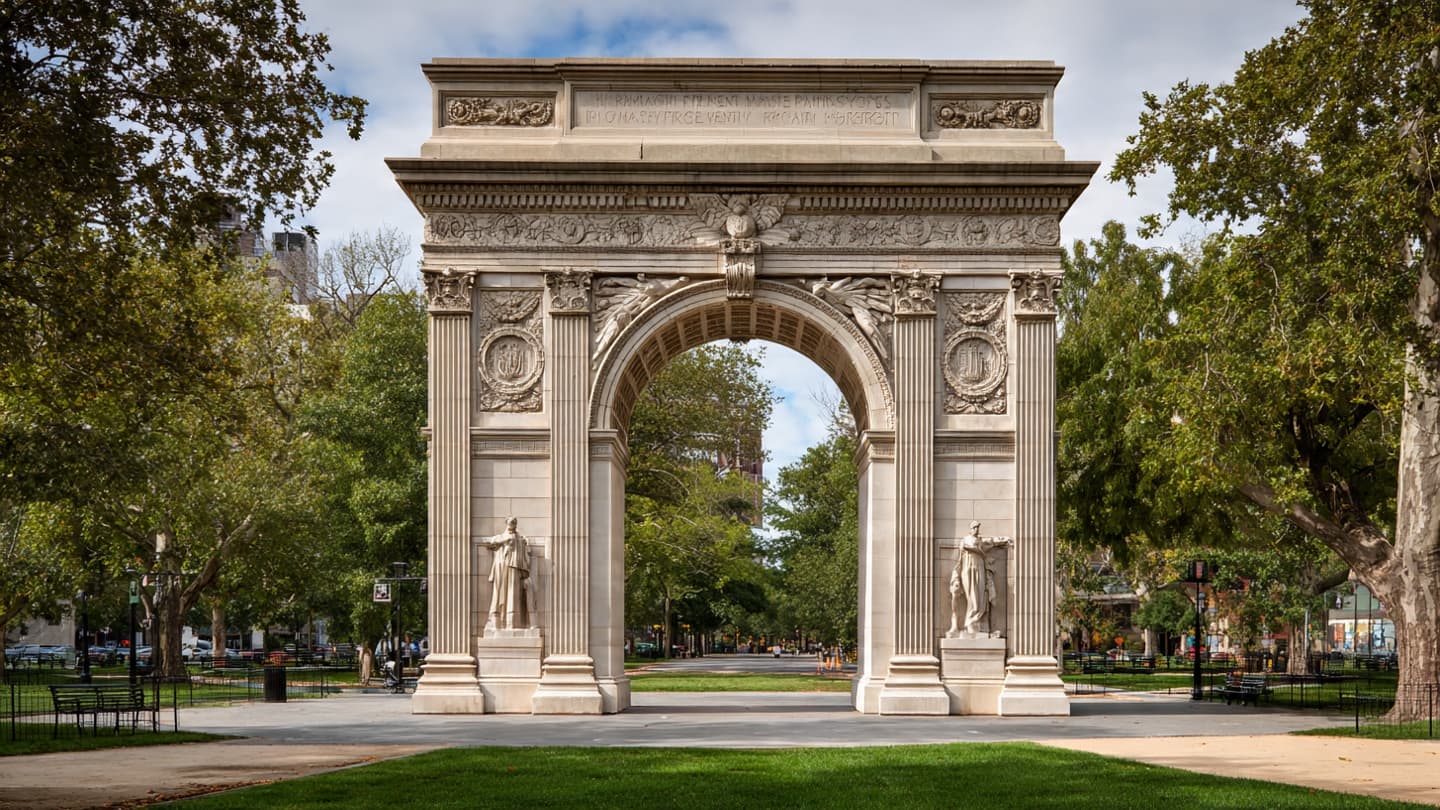
The proposed triumphal arch in Washington, D.C., associated with former President Donald Trump, has ignited a significant public debate. This structure, designed to commemorate the nation's 250th anniversary, is not only notable for its ambitious height of approximately 250 feet but also for the extensive construction schedule outlined in federal planning documents. The project is set to operate for up to twenty hours a day, potentially spanning two to three years, which has raised eyebrows among local residents and stakeholders.
Construction plans indicate that the project will require substantial equipment, including large cranes and concrete systems, necessitating careful coordination due to its location near major transportation routes and sensitive public spaces. The site, situated close to Arlington National Cemetery and the Lincoln Memorial, is already a focal point for tourists and locals alike, making the construction process a matter of public interest.
As the project moves forward, officials have indicated that significant changes to traffic patterns will be necessary. Lane reductions and pedestrian rerouting are among the adjustments that may be implemented to accommodate the construction activities. These anticipated changes have prompted discussions about the project's broader implications for daily movement and accessibility in the region.
The proposal has garnered attention from various groups, including preservationists, urban planners, and concerned citizens. Many have raised questions about the visual impact of the monument, its historical context, and potential environmental consequences. Public comment opportunities have been integrated into the review process, allowing community members to voice their opinions and concerns.
Federal agencies are currently assessing the technical aspects of the project, including aviation-related considerations due to the proximity of flight paths. Preliminary evaluations have focused on how the proposed structure will interact with existing transportation and safety requirements, ensuring that it meets all necessary regulations.
This ongoing debate highlights the complex nature of public monuments, which often serve as more than mere architectural feats. They can become symbols of history, identity, and civic priorities, prompting discussions about the use of public space. As the review process continues, stakeholders with differing perspectives remain engaged in dialogue about the future of this proposed monument.
For now, the project remains under scrutiny, with the intensive construction timeline being one of the most closely monitored aspects of its development. The outcome of this debate could set a precedent for how similar projects are approached in the future, reflecting the evolving relationship between public art and community values.
Published by Banx Network. This article is part of the Banx decentralized media programme, powered by the BXE token on the XRP Ledger.




