There is a particular rhythm to negotiations that are necessary but not yet ripe. The delegations arrive, the envoys shuttle between rooms, the communiqués are drafted with careful language that promises more than it delivers. In Abu Dhabi this week, two days of talks mediated by the United States ended with a single concrete achievement—a large prisoner-of-war exchange—and a familiar absence of progress on the questions that matter most: territory, security, and the shape of a peace that neither side has yet been willing to define.
It was the first direct meeting between Russian and Ukrainian delegations in nine months, since talks in Geneva in February . Hopes were low, and the sessions were brief—four hours on the first day, just under two on the second . Jared Kushner, the U.S. envoy and son-in-law of President Trump, described the prisoner exchange as "the biggest humanitarian release of prisoners," with numbers to be finalized the following day . Vladimir Medinsky, who led the Russian delegation, confirmed the agreement but noted it was "in principle" .
The prisoner swap is not a small thing. It will reunite families and, as Kushner later wrote, "build trust and create momentum toward peace" . But trust remains precisely what the talks lack. "The reality is, is there's no trust right now between the sides," Kushner said. "And that's to be expected after a conflict like this" . The war, now nearly five years old, has killed hundreds of thousands of soldiers and thousands of civilians, according to analysts and humanitarian organizations .
The core disputes remain unresolved. Russia demands that Ukraine withdraw its forces from four regions Moscow claims to have annexed—Donetsk, Luhansk, Zaporizhzhia, and Kherson. Kyiv regards this as capitulation . Ukraine insists on a ceasefire as a precondition for any discussion of security arrangements, while Russia ties any cessation of hostilities to the fulfillment of its territorial and political demands . On European participation, Moscow has been adamant: European countries, which have financed and armed Ukraine, should not sit at the table. Kushner said one goal of his upcoming trip to Moscow is to persuade Putin to allow Europeans into the process .
The envoys' itinerary tells its own story. Kushner and Steve Witkoff were scheduled to travel to Moscow on Thursday to meet Putin, then to Dublin to brief Ukrainian President Volodymyr Zelenskyy . Zelenskyy, writing on X, said Europe "must be represented at every stage of real diplomacy" . The gap between that position and Moscow's is not merely procedural; it reflects a deeper disagreement about what post-war Europe should look like and who has the standing to decide.
The context has shifted since February. The Trump administration will soon face a Democratic-controlled Congress after midterm elections, potentially complicating its ability to shape Ukraine policy. Russia's wartime economy is under strain, and Ukraine's power grid has been battered by aerial attacks . Neither side appears ready to make the concessions that a settlement would require, and the talks reflected that reality: a humanitarian agreement that both sides could accept without compromising their core positions.
The prisoner exchange will proceed, likely within weeks, according to a Russian official . It is a genuine achievement, and the families reunited will not measure it against the unresolved questions. But the broader negotiations remain where they have been: suspended between the desire for peace and the unwillingness to pay its price. The envoys will continue to travel, the communiqués will continue to be issued, and the war will continue to shape the terms of any future conversation.
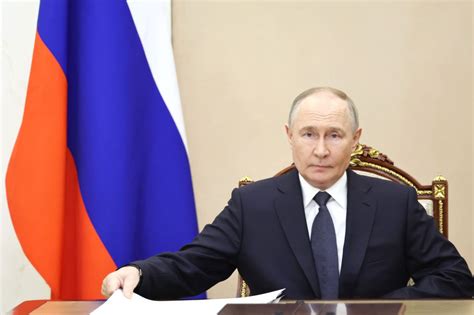
AI Image Disclaimer: The visuals in this report are AI-generated and do not represent the actual negotiations or individuals involved.
Published by Banx Network. This article is part of the Banx decentralized media programme, powered by the BXE token on the XRP Ledger.