

Key Highlights
- Sudan's conflict has led to a humanitarian crisis affecting millions.
- Neighboring countries face economic strain and insecurity due to displacement.
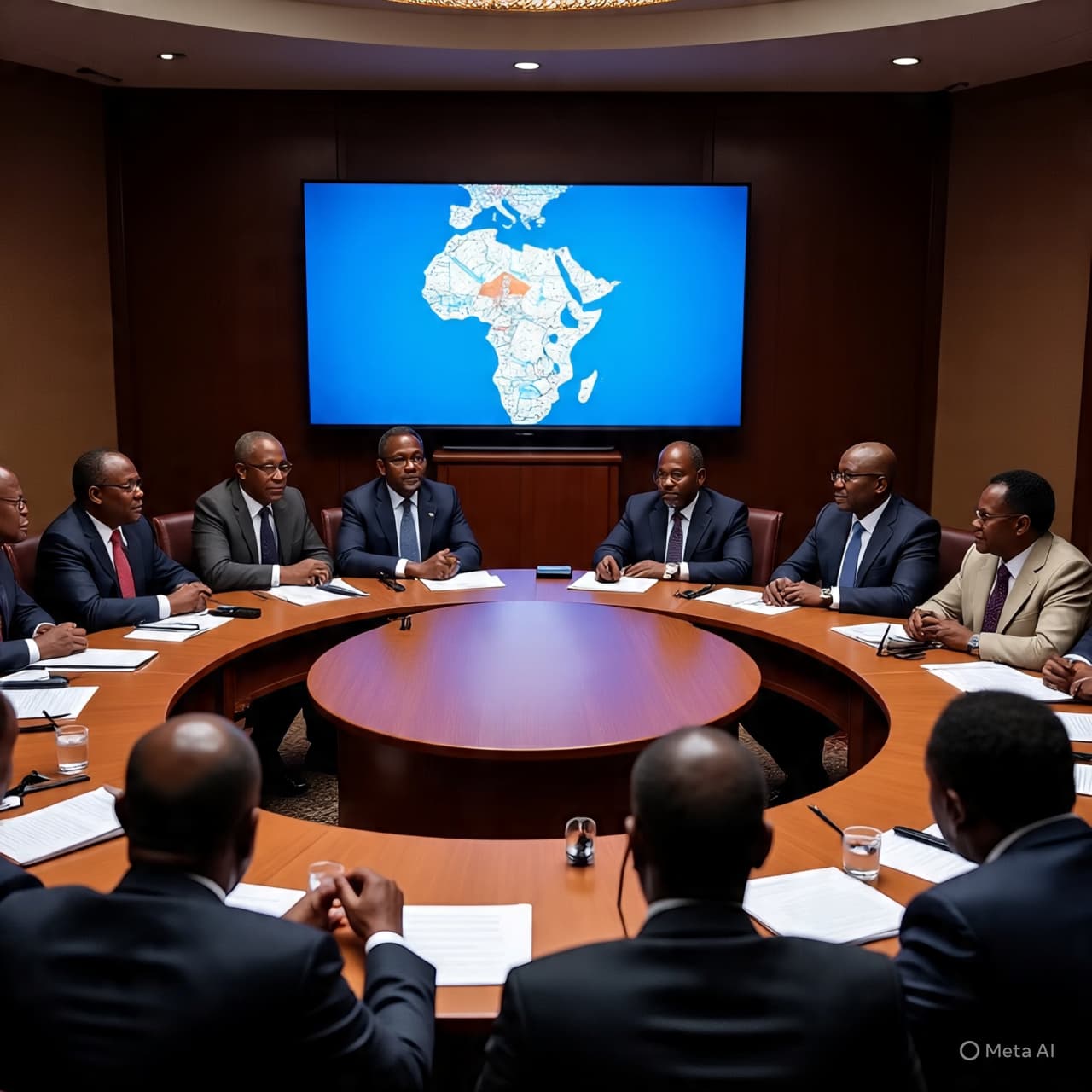
- African leaders are advocating for a unified response to the crisis.
The conflict in Sudan has escalated dramatically, transforming from a power struggle into a full-blown humanitarian crisis. As fighting continues between the Sudanese Armed Forces and the paramilitary Rapid Support Forces, cities like Khartoum have been devastated, leaving millions displaced and in dire need of assistance. The situation has drawn attention not only within Sudan but across the African continent, prompting leaders to call for a unified response to the crisis.
Since the outbreak of violence, the impact has rippled beyond Sudan's borders. Neighboring countries such as Chad, South Sudan, Egypt, and Ethiopia are grappling with the consequences of mass displacement and economic instability. Refugee camps are overflowing, trade routes are disrupted, and food insecurity is spreading. The humanitarian crisis in Sudan is not just a national issue; it poses a threat to regional stability and security.
In light of these challenges, African leaders and institutions have begun to advocate for a more coordinated continental approach to address the crisis. The African Union has been at the forefront, calling for ceasefires, dialogue, and inclusive negotiations. This appeal is not merely a diplomatic formality; it is rooted in the understanding that peace in Sudan is essential for the stability of the entire region. Fragmented mediation efforts risk prolonging the conflict, and many leaders believe that unity is crucial for sustained pressure toward peace.
However, navigating diplomacy in such a complex environment is fraught with challenges. External actors must tread carefully, balancing their influence with respect for Sudan's sovereignty. The goal is not to impose solutions but to create an environment where Sudanese voices can be heard and respected. Behind the scenes, diplomats are exploring various strategies, including incentives, sanctions, and humanitarian corridors, all while maintaining a consistent public message that dialogue must replace violence.
The humanitarian situation continues to deteriorate, with aid organizations warning of increasing hunger and disease. Schools remain closed in many areas, leaving children without education and families struggling to survive. The urgency of the situation has led to calls for African unity, reflecting a broader vision of strengthening the continent's capacity to resolve its own conflicts. Each crisis presents an opportunity to demonstrate that regional solidarity can translate into effective action.
Despite the challenges, there is a persistent insistence on dialogue. Leaders across Africa recognize that instability in one region can have far-reaching consequences. In response, strategies are being developed, delegations are being formed, and proposals are being refined. While the path to peace is complex and fraught with obstacles, the commitment to finding a solution remains steadfast.
As the conflict in Sudan continues to unfold, the need for coordinated efforts among African nations is more pressing than ever. The hope is that these diplomatic engagements will lead to a durable peace, but the uncertainty remains. What is clear is that the crisis in Sudan is a shared burden, and the resolve to confront it collectively is growing stronger across the continent.
Published by Banx Network. This article is part of the Banx decentralized media programme, powered by the BXE token on the XRP Ledger.




