

Key Highlights
- Toronto is experiencing one of its snowiest seasons on record.
- Recent snowfall has extended winter into the early days of spring.
- Meteorologists attribute the persistent snow to unusual atmospheric conditions.
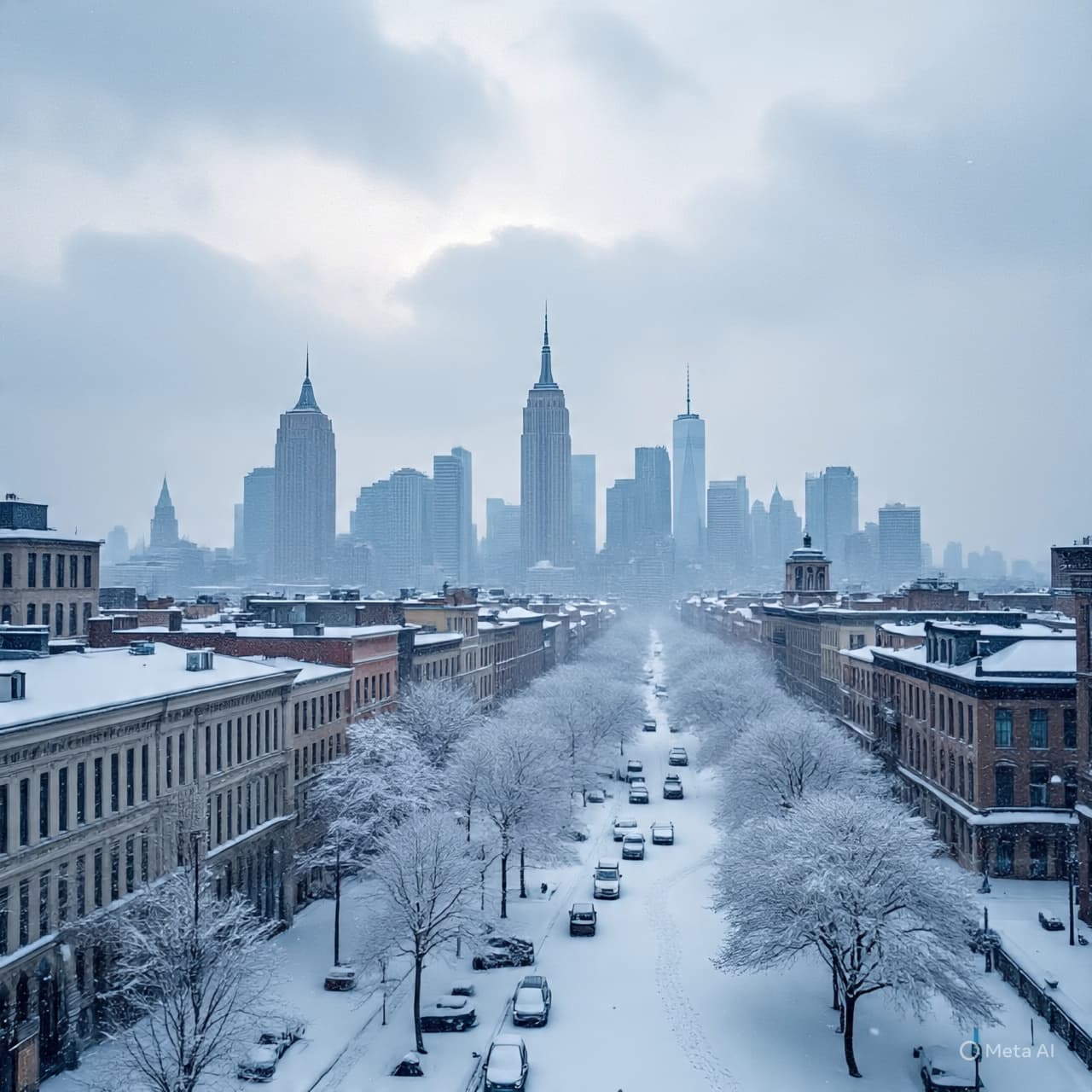
As the first day of spring arrives, a palpable expectation fills the air, yet in Toronto, the landscape remains draped in white. The contrast between the calendar and the weather is stark, with fresh snowfall continuing to blanket the city, extending a winter that has already been notably harsh. Current projections indicate that Toronto is on track to record one of its snowiest seasons in recent history, a distinction shaped by a series of snow events that have accumulated over the past months.
The snowfall totals reflect a gradual build-up rather than isolated storms. Each snow event, while manageable on its own, contributes to a cumulative effect that has left the city with a winter season marked by persistence. Meteorologists have noted that a combination of cold air masses and aligned moisture systems has favored continued snowfall, resulting in a winter that overlaps with the early days of spring.
For residents, this prolonged winter experience is both familiar and unusual. While snowfall is a common occurrence in Toronto, the duration and consistency of this season create a different rhythm in daily life. Commuters find themselves adjusting to longer travel times, outdoor plans are often postponed, and the visual landscape remains largely unchanged, even as the season is meant to transition.
Beyond the immediate impact on daily routines, there is a broader perspective to consider regarding seasonal records. A particularly snowy winter is not just a standalone event; it exists within a larger context influenced by climate variability. Understanding these patterns requires careful analysis across years and decades, highlighting the importance of long-term observation in grasping the nuances of changing weather patterns.
Despite the challenges posed by the ongoing winter, the symbolic nature of the first day of spring remains significant. It marks a point in the calendar, even if the environment does not immediately reflect it. This overlap between seasons serves as a reminder that nature does not always adhere to human-defined timelines, and the transition from winter to spring can be a gradual process.
City services are actively responding to the ongoing weather conditions. Snow removal operations remain in full swing, with authorities closely monitoring the situation to ensure safety and maintain infrastructure. These efforts reflect the practical realities of an extended winter, allowing the city to function despite the challenges posed by the weather.
As the days progress, temperatures are expected to fluctuate, and the balance between winter and spring will continue to evolve. While snow may still fall, signs of melting and renewal are anticipated to emerge. The situation remains steady, with Toronto approaching one of its snowiest seasons on record, even as spring officially begins. For now, winter continues its quiet presence, gradually making way for the changes that lie ahead.
Published by Banx Network. This article is part of the Banx decentralized media programme, powered by the BXE token on the XRP Ledger.




