In the serene hills of the Texas Hill Country, where the Guadalupe River usually flows with a gentle rhythm, a tragedy unfolded last July that has left deep scars on the community. Camp Mystic, a beloved summer retreat for young girls, became the site of a devastating flood that claimed the lives of twenty-seven campers and counselors. Now, as the seasons change, new documents reveal that the camp’s owners are facing a criminal inquiry. Search warrants indicate that investigators are examining whether criminal neglect played a role in the disaster, marking a somber turn in the quest for accountability. It is a moment of heavy reflection for a state still mourning its lost children.
The floods of July 2025 were sudden and catastrophic, sweeping through the campgrounds with little warning. Survivors have recounted harrowing tales of rising waters and desperate attempts to reach safety. The sheer scale of the loss shocked the nation, raising immediate questions about emergency preparedness and risk management. For the families involved, the pain is compounded by uncertainty about how such a tragedy could occur in a place meant for joy and safety. Grief is often accompanied by questions.
Recent warrants show that Texas Rangers and local authorities are seeking records related to the camp’s leadership decisions prior to the flood. Investigators are focused on what warnings were received, how they were communicated, and why evacuation protocols may not have been enacted swiftly enough. These details are crucial in determining whether negligence contributed to the high death toll. The law seeks to distinguish between misfortune and misconduct.
Camp Mystic has long been a staple of summer traditions for many Texas families. Its closure and the subsequent investigation have disrupted a cherished institution. The community is divided between those who seek justice and those who defend the camp’s legacy. This tension reflects the complex emotions that arise when tragedy strikes a trusted entity. Trust is fragile and hard to rebuild.
Legal experts note that proving criminal neglect in natural disaster cases is challenging. Prosecutors must demonstrate that the owners acted with reckless disregard for human life, ignoring clear and imminent dangers. The warrants suggest that investigators believe there is sufficient evidence to explore this possibility. The burden of proof is high, but the stakes are higher. Justice requires diligence.
For the survivors and their families, the criminal inquiry offers a path toward answers. While no amount of legal action can bring back the lost, accountability can provide a measure of closure. Many have joined civil lawsuits, seeking damages for gross negligence. These parallel efforts highlight the multifaceted nature of seeking redress after such a profound loss. Healing is a long journey.
State officials have emphasized their commitment to a thorough and impartial investigation. The Texas Rangers’ involvement underscores the seriousness with which the state views the incident. Public trust in the outcome depends on transparency and rigor. Oversight is essential for confidence.
In the end, the inquiry into Camp Mystic is a testament to the enduring impact of the July floods. It reminds us of the vulnerability of human life in the face of nature’s power and the importance of responsible stewardship. As the legal process unfolds, the hope is for truth and justice. Memory honors the lost.
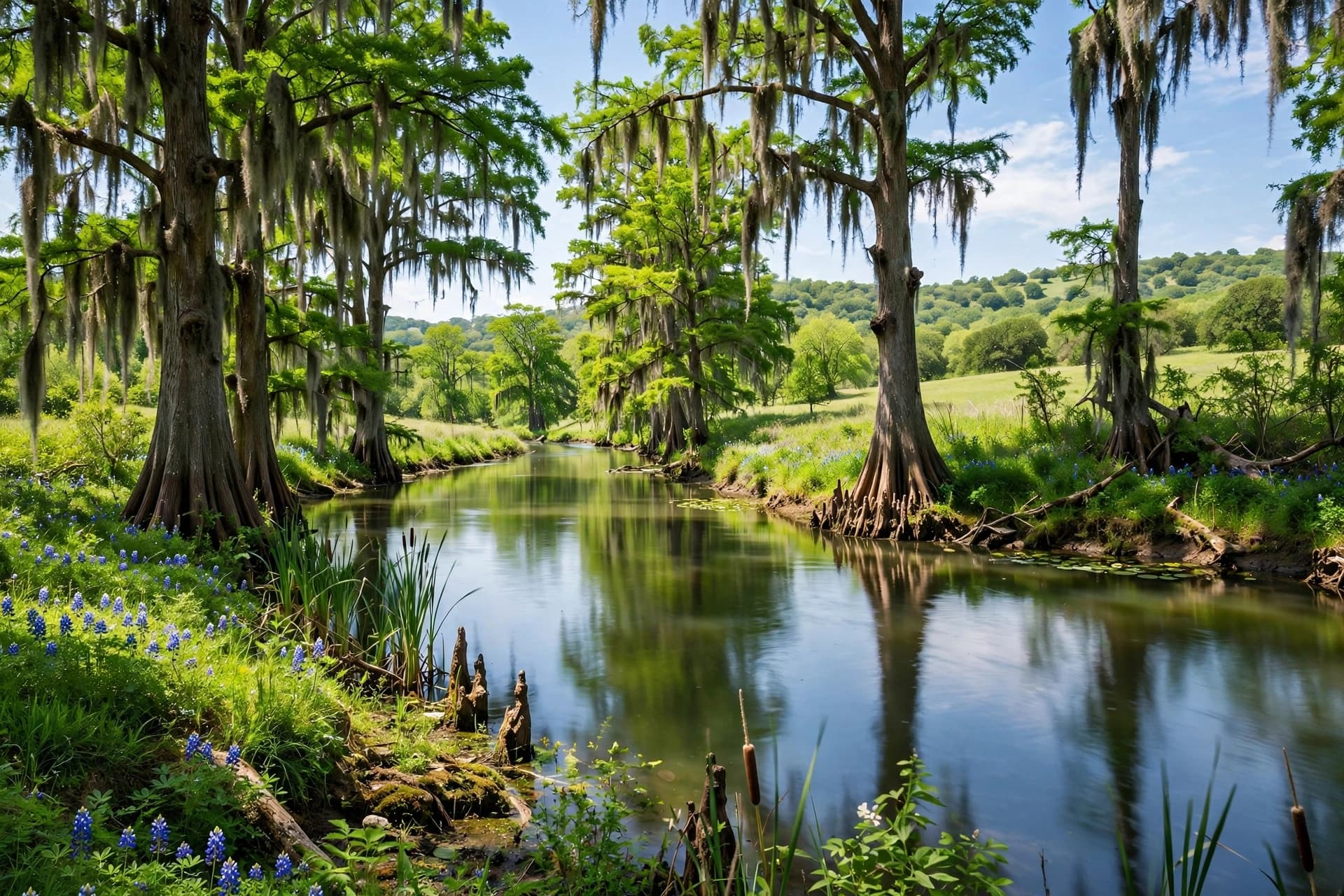
AI Image Disclaimer: The visual representations included here are AI-generated illustrations designed to depict river landscapes and themes of investigation, not actual photographs of Camp Mystic, the flood site, or specific legal documents.
Sources: The New York Times The Texas Tribune CNN
Published by Banx Network. This article is part of the Banx decentralized media programme, powered by the BXE token on the XRP Ledger.