Cambodia is placing digital trade closer to the center of its economic strategy as businesses look for new ways to reach consumers beyond traditional markets. The country’s efforts are increasingly focused on using digital platforms to connect local producers, exporters and international buyers.
The direction was reflected through Cambodia’s Digital Trade Forum and Online Expo, an initiative organized by the Ministry of Commerce to promote digital transformation and strengthen the country’s digital commerce ecosystem. The 2026 forum carried the theme “Promoting Cambodia’s Digital Trade Towards 2030.”
The forum brought together policymakers, regulators, technology companies, financial institutions, startups and micro, small and medium enterprises. The broader objective was to move digital trade from discussion toward practical transactions, including through CambodiaTrade.com.
For Cambodian businesses, particularly MSMEs, the shift toward online commerce creates another channel for reaching customers. Instead of depending entirely on physical markets and conventional distribution networks, producers can increasingly present their goods through digital platforms.
The government has also highlighted the connection between digital commerce and Cambodia’s longer-term economic development. Digital identity, secure payments, artificial intelligence and modern digital infrastructure are being discussed as elements that could help businesses participate in cross-border commerce.
CambodiaTrade.com has become part of that effort. During the 2026 digital trade initiative, the Ministry of Commerce introduced a “Mission 500 Transactions” campaign intended to turn product promotion into actual commercial orders and transactions.
The numbers surrounding Cambodia’s digital economy also show why the sector has attracted attention. The Ministry of Commerce estimated that e-commerce revenue reached about $1.1 billion in 2025 and projected it could rise to around $1.8 billion by 2029.
For exporters, digital trade can also reduce some of the distance between production and international demand. A small producer in Cambodia may be able to introduce a product to a buyer abroad without first building the same physical commercial presence traditionally required in overseas markets.
The challenge now lies in turning digital access into sustained trade. Reliable payments, logistics, product standards, digital skills and international market knowledge remain important parts of the process. Technology may open the door, but businesses still need the capacity to walk through it.
Cambodia’s digital trade strategy is therefore becoming part of a broader effort to strengthen export competitiveness. As the country moves toward 2030, online commerce is increasingly being positioned not simply as another retail channel, but as infrastructure connecting Cambodian businesses with a wider global marketplace.
Image Disclaimer:
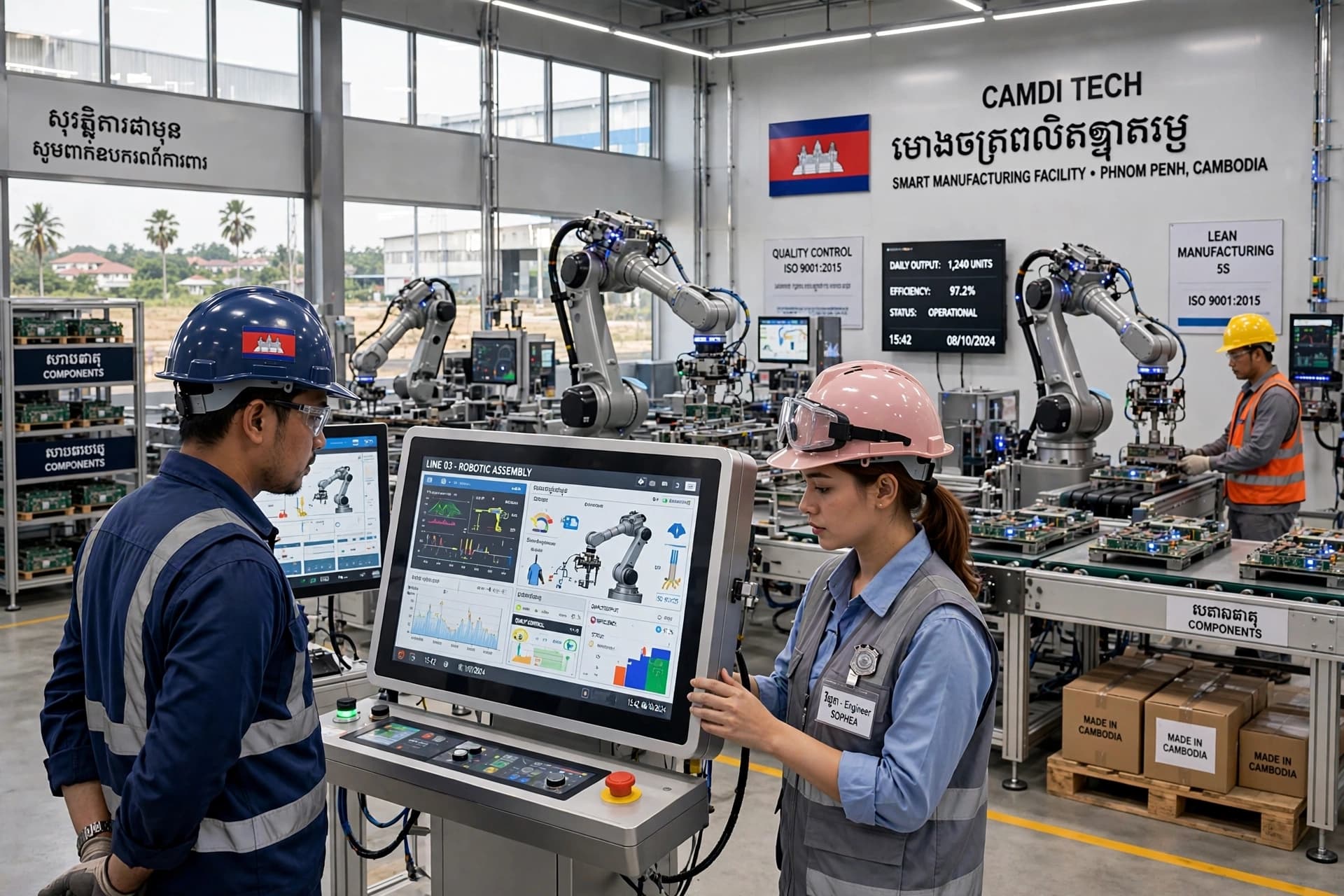
Visuals are AI-generated and serve as conceptual representations of Cambodia’s digital trade environment.
Sources:
Khmer Times Agence Kampuchea Presse (AKP) Cambodia Ministry of Commerce Startup Cambodia
Published by Banx Network. This article is part of the Banx decentralized media programme, powered by the BXE token on the XRP Ledger.