
Key Highlights
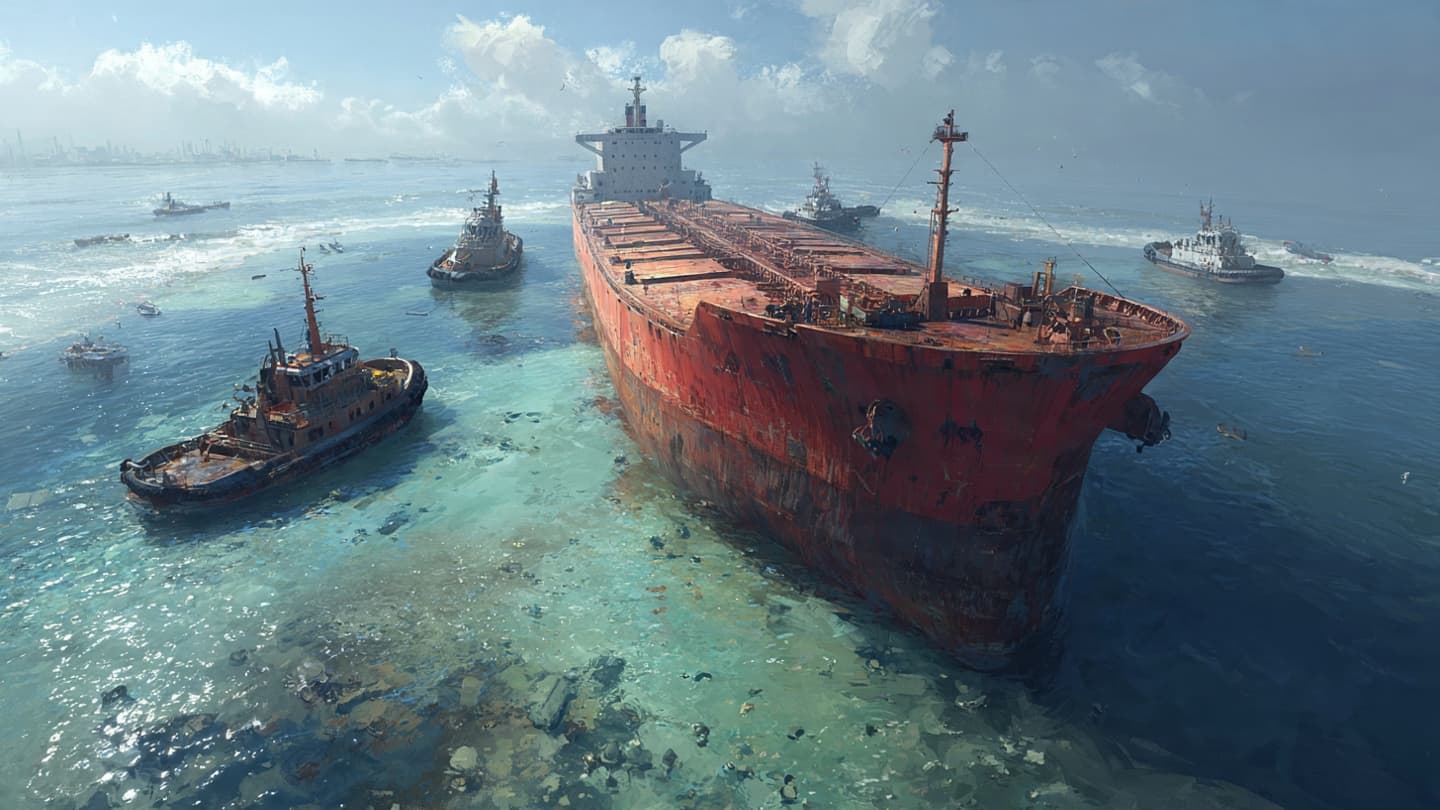
- Incident:A foreign cargo ship ran aground in the Strait of Hormuz.
- Response:Emergency teams coordinated to ensure crew safety and assess the situation.
- Impact:Commercial shipping operations continue under close supervision.
The Strait of Hormuz, a vital maritime corridor, has been a focal point for global trade and energy transportation for decades. This narrow waterway connects the Persian Gulf with the Gulf of Oman and is crucial for the transit of oil and gas from the Middle East to international markets. On a recent day, the tranquility of these waters was disrupted when a foreign cargo ship encountered navigational difficulties and subsequently ran aground.
Emergency response teams were swiftly mobilized to address the situation. Maritime officials worked diligently to ensure the safety of the crew aboard the vessel, while also assessing the potential environmental impact of the grounding. The quick coordination among various authorities highlights the importance of preparedness in such critical maritime zones.
Despite the incident, commercial shipping operations in the Strait of Hormuz continued, albeit under heightened scrutiny. Maritime agencies reassured stakeholders that navigation remained open, allowing for the flow of goods and energy supplies. Shipping analysts noted that even isolated incidents in this strategic waterway can have far-reaching implications, given its role in global commerce.
The ongoing investigations into the incident are expected to shed light on the causes of the navigational difficulties faced by the cargo ship. Officials have emphasized the need for cooperation among maritime authorities to maintain safe navigation in the region. This incident serves as a reminder of the challenges faced by vessels operating in busy shipping lanes and the importance of international coordination in ensuring maritime safety.
As the situation develops, stakeholders in the shipping industry are closely monitoring the response and recovery efforts. The Strait of Hormuz remains a critical artery for energy transportation, and any disruptions can resonate throughout global markets. The incident underscores the necessity for robust safety protocols and the continuous evaluation of navigational practices in one of the world's busiest maritime routes.
Published by Banx Network. This article is part of the Banx decentralized media programme, powered by the BXE token on the XRP Ledger.



