
Key Highlights
- U.S. Expands Naval Presence: The U.S. has announced an increase in naval assets in the Middle East.
- Regional Security Concerns:The deployment aims to address heightened tensions and protect maritime trade routes.
- Importance of Diplomacy:U.S. officials emphasize the need for ongoing dialogue alongside military readiness.
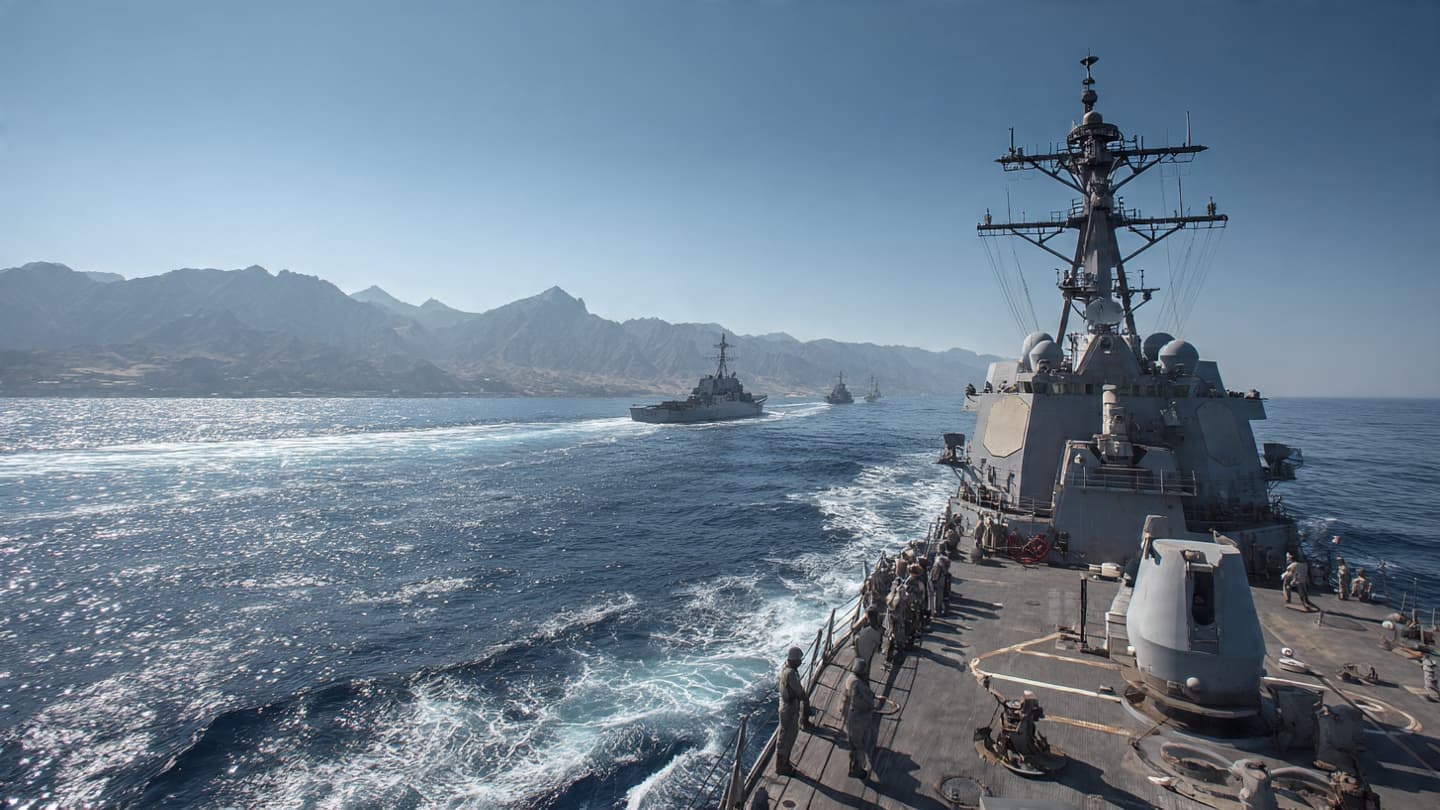
The sea has always carried more than ships; it carries commerce, diplomacy, uncertainty, and the quiet responsibility of nations seeking stability in waters that connect continents. Recently, the United States has announced an expanded naval presence in the Middle East, a move that reflects the evolving security landscape in the region. This deployment is not merely a show of military force but a strategic response to a complex web of geopolitical tensions that threaten international shipping and regional stability.
According to U.S. defense officials, the deployment includes additional naval assets intended to strengthen existing operations across strategically important waterways. This move is part of ongoing efforts to safeguard international shipping routes and provide greater operational flexibility should security conditions change. The announcement comes in the wake of increased regional tensions, including attacks on commercial shipping and maritime security incidents that have raised alarms among global trade stakeholders.
The Middle East remains one of the world's most strategically important regions for maritime trade. Major shipping corridors, such as the Strait of Hormuz, serve as essential gateways for global energy exports and international commerce. Any disruption within these waters can have far-reaching implications, affecting markets and economies worldwide. The U.S. military's enhanced presence aims to deter potential threats and ensure that these critical sea lanes remain open and secure.
Defense analysts note that naval deployments frequently serve multiple purposes beyond direct military operations. They provide surveillance capabilities, strengthen coordination with allied forces, reassure regional partners, and demonstrate the ability to respond rapidly if maritime security deteriorates. This multifaceted approach underscores the importance of maintaining a balance between military readiness and diplomatic engagement.
Officials have emphasized that diplomacy continues alongside military preparedness. The United States has reiterated its support for regional dialogue while encouraging all parties to avoid actions that could further escalate tensions. Maintaining open communication channels is a crucial component of broader security policy, as it helps to mitigate misunderstandings and foster cooperation among nations.
Commercial shipping companies are closely monitoring official maritime advisories and adjusting routes when necessary to navigate the heightened security landscape. International maritime organizations regularly issue guidance designed to reduce operational risks without unnecessarily disrupting global trade. This proactive approach is vital for ensuring that the flow of goods and energy remains uninterrupted, even in times of uncertainty.
For now, the expanded naval presence represents a measured effort to reinforce regional stability while protecting critical sea lanes. As diplomatic discussions continue and security conditions evolve, governments throughout the region will closely observe whether increased naval coordination contributes to a more stable maritime environment. The balance between military readiness and diplomatic engagement will be essential in navigating the complexities of the Middle East's geopolitical landscape.
Published by Banx Network. This article is part of the Banx decentralized media programme, powered by the BXE token on the XRP Ledger.



