
Key Highlights
- U.S. military assets deployed in the Middle East to enhance security.
- Deployment aims to reassure allies and protect shipping routes.
- Ongoing diplomatic efforts seek to prevent escalation of tensions.
The world's busiest waterways often appear deceptively calm, yet they carry the weight of global commerce and international diplomacy. Beneath this tranquil surface, strategic decisions unfold, shaping the balance between security and stability. Recent developments in the Middle East have drawn renewed international attention as the United States bolsters its military presence in the region.
The U.S. Department of Defense has confirmed the deployment of additional military assets in response to heightened regional tensions and growing concerns regarding security in strategic maritime corridors. American officials have characterized this move as a defensive measure aimed at protecting U.S. personnel, reassuring regional partners, and ensuring freedom of navigation through internationally recognized shipping routes.
Officials have been clear that this deployment is not intended to signal an escalation of military conflict. Instead, Washington describes the operation as part of a broader deterrence strategy designed to mitigate the risk of further escalation while maintaining readiness should regional security conditions deteriorate. This approach reflects a commitment to balancing military preparedness with diplomatic engagement.
Several U.S. allies have remained in close communication with Washington as they monitor the evolving situation. Diplomatic discussions are ongoing, reflecting a concerted effort to balance military readiness with negotiations aimed at preventing misunderstandings among regional actors. The importance of dialogue is underscored by the complex geopolitical landscape of the Middle East, where tensions can escalate rapidly.
Commercial shipping companies are also closely monitoring these developments. The Middle East is home to some of the world's most critical energy transportation corridors, and any disruption to maritime traffic could have significant implications for global supply chains, energy prices, and international trade flows. The stakes are high, and the potential for economic fallout adds urgency to the situation.
Defense analysts note that similar military deployments have occurred during previous periods of instability. While the presence of additional military assets may strengthen deterrence, experts generally agree that diplomacy remains the most sustainable path toward reducing long-term tensions and preserving regional stability. The interplay between military readiness and diplomatic efforts is crucial in navigating these complex challenges.
International organizations have repeatedly called for restraint from all parties involved. There is a growing consensus that dialogue is essential to finding practical solutions that minimize the risk of broader confrontation while protecting civilian populations and maintaining uninterrupted commercial activity. The hope is that through sustained diplomatic engagement, regional tensions can be alleviated.
Despite the uncertainty that persists, officials continue to express optimism that diplomatic efforts will yield positive results. They argue that military preparedness serves primarily as a precautionary measure while negotiations continue through established international channels. The balance between military readiness and diplomatic dialogue will be critical in shaping the future of the region.
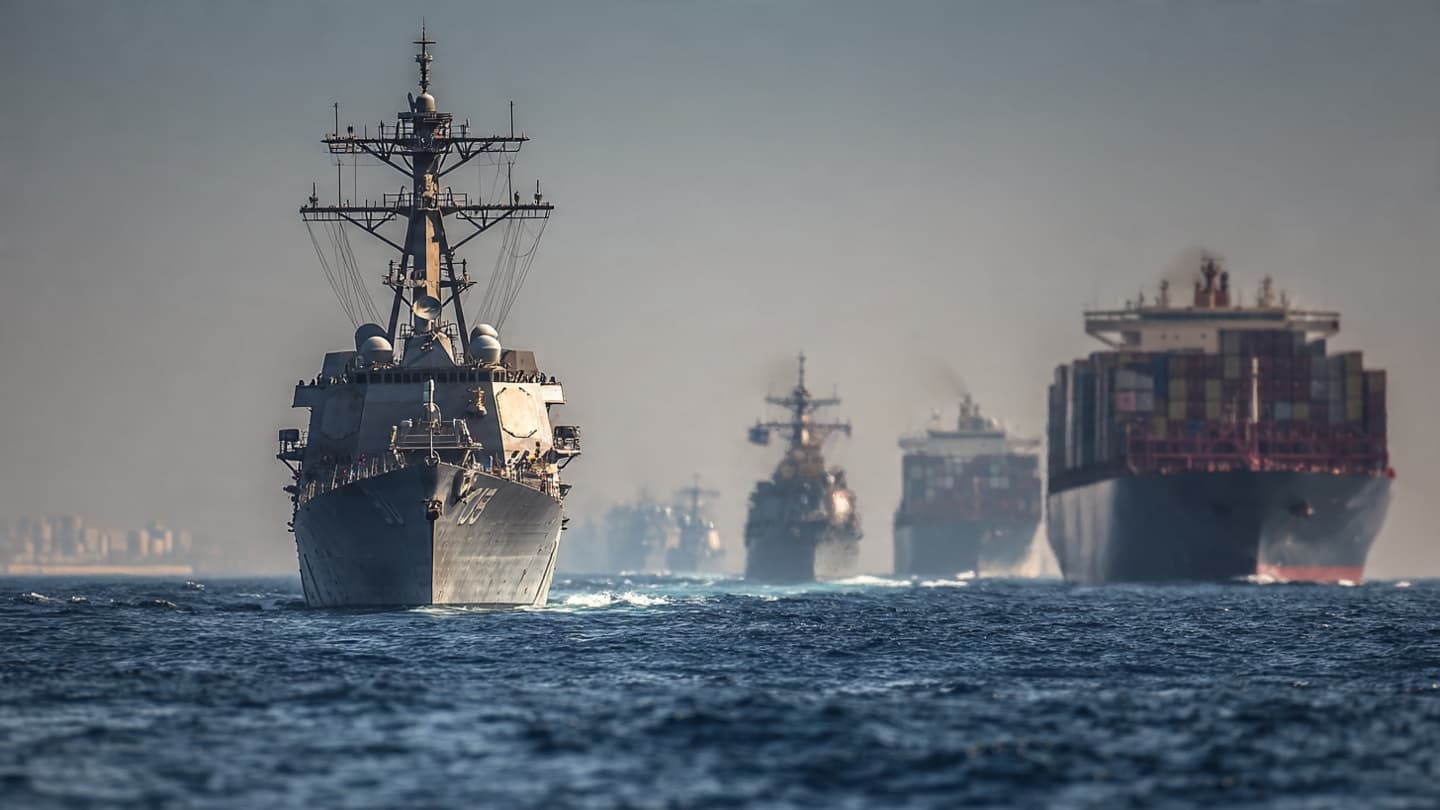
AI Image Disclaimer: This article includes an AI-generated illustration created solely for editorial visualization and does not represent an authentic photograph of the reported events.
Published by Banx Network. This article is part of the Banx decentralized media programme, powered by the BXE token on the XRP Ledger.



