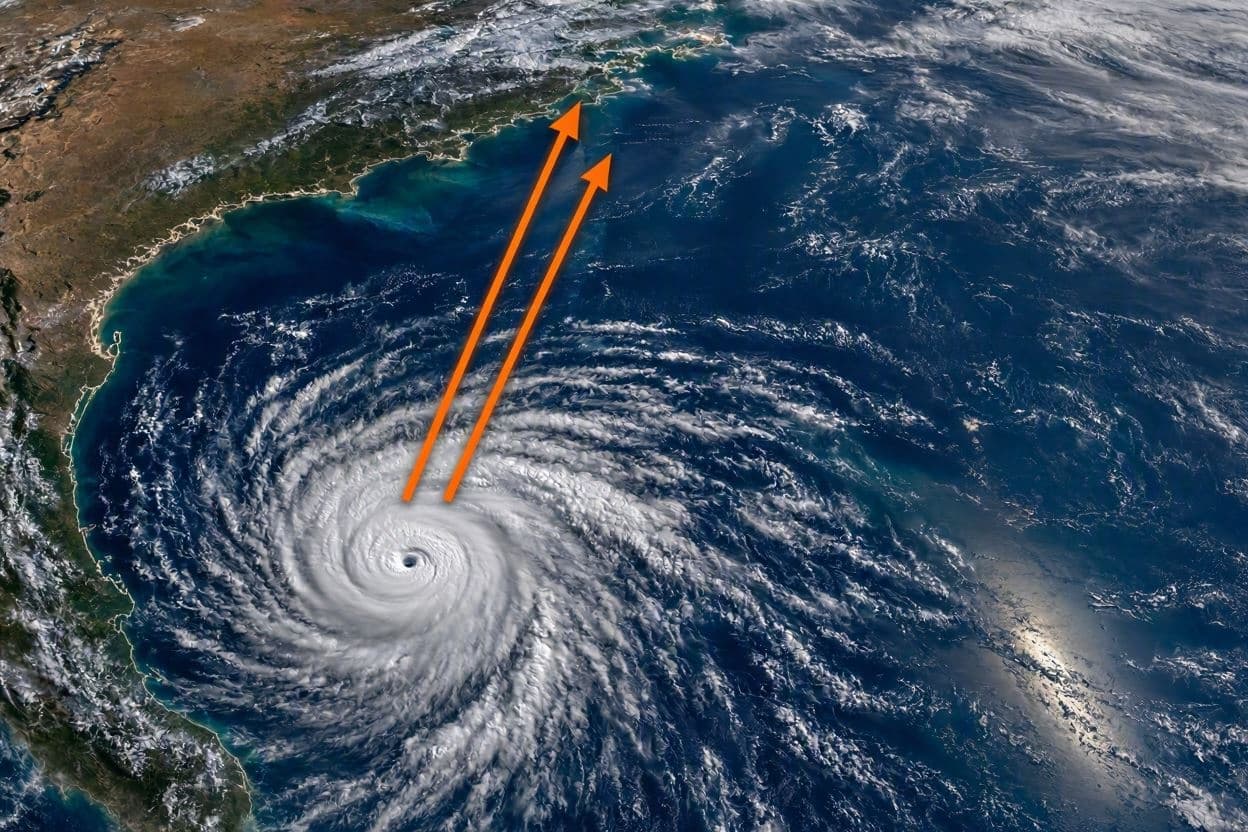
Hurricanes are rare visitors to Southern California, a region more accustomed to sunshine and mild breezes than the violent winds of tropical cyclones. Yet, the ocean is a dynamic engine, capable of steering storms toward unexpected shores. As Hurricane Marie strengthens in the Pacific, attention turns to the West Coast, where residents are preparing for the potential impacts. While a direct hit is unlikely, the outer bands of such a storm can bring significant weather changes, reminding us that no region is entirely immune to the reach of tropical systems.
Marie has been tracking northward along the Mexican coast, gaining strength from warm ocean waters. Meteorologists predict it will reach hurricane status, with sustained winds exceeding 74 miles per hour. For Southern California, the primary concern is not necessarily the wind core, but the moisture and swell associated with the storm. These elements can trigger heavy rainfall, dangerous surf, and coastal erosion, even if the center of the storm remains offshore.
Historical precedents, such as Hurricane Hilary in recent years, show that tropical remnants can deliver substantial rainfall to arid regions. This can lead to flash flooding, particularly in areas recently affected by wildfires, where soil stability is compromised. Residents in burn scars are urged to be especially vigilant, as mudflows can occur with little warning during intense rain events.
Coastal communities face the threat of high surf and strong rip currents. Swells generated by distant hurricanes can travel thousands of miles, arriving with powerful energy that poses risks to swimmers, surfers, and coastal infrastructure. Lifeguards and local authorities typically issue warnings and close beaches when conditions become hazardous, prioritizing public safety over recreation.
Wind effects, while generally weaker than in direct hits, can still cause localized damage. Gusts may knock down tree branches or power lines, leading to outages. Utility companies prepare for these possibilities by positioning crews and equipment in advance. Residents are advised to secure outdoor items and have emergency kits ready, just as they would for any severe weather event.
The psychological impact of a hurricane threat, however rare, can be significant. For many Californians, this is an unfamiliar scenario, leading to questions about preparedness and response. Public information campaigns play a vital role in educating residents about what to expect and how to stay safe. Clear communication helps reduce anxiety and ensures that people take appropriate precautions.
Climate scientists note that warming ocean temperatures may influence the behavior of tropical storms, potentially allowing them to maintain strength further north than in the past. While individual events vary, the trend suggests that Western states may need to adapt to a new normal where tropical influences are more frequent. This requires updated planning and infrastructure resilience.
As Marie approaches, the focus remains on monitoring and preparation. Weather services provide continuous updates, allowing communities to adjust their plans in real-time. The goal is to minimize disruption and ensure safety, turning potential chaos into managed response. It is a test of readiness and community cooperation.
Hurricane Marie is expected to reach hurricane strength, bringing potential impacts to Southern California in the form of heavy rain, high surf, and gusty winds. While a direct hit is unlikely, residents are urged to stay informed and prepared for secondary effects. The event highlights the importance of weather vigilance in all regions.
AI Image Disclaimer: The visual elements accompanying this article are AI-generated interpretations designed to symbolize tropical storms and coastal preparedness, using dramatic yet respectful imagery of ocean swells and weather maps.
Sources: National Hurricane Center National Weather Service (Los Angeles/San Diego) Local Southern California News OutletsHurricaneMarie #SouthernCalifornia
Published by Banx Network. This article is part of the Banx decentralized media programme, powered by the BXE token on the XRP Ledger.