
Key Highlights
- Intelligence Briefings:Recent reports indicate Donald Trump was briefed on potential Iranian retaliation against Gulf allies.
- Strategic Landscape:Countries like Saudi Arabia and the UAE are positioned near critical energy infrastructure, raising security concerns.
- Strait of Hormuz:This vital waterway remains a focal point for geopolitical tensions and energy market implications.
Recent intelligence briefings have highlighted the likelihood of Iranian retaliation targeting U.S.-aligned Gulf states, a situation that has garnered significant attention in Washington, D.C. According to sources, these warnings were not limited to a single event but outlined a spectrum of potential responses from Iran, reflecting the complex and evolving nature of regional tensions.
The concept of retaliation in the Gulf is rarely spontaneous; it often develops gradually, influenced by a series of signals exchanged between nations. Iran's strategic approach typically combines both direct military actions and indirect methods, utilizing allied groups that operate beyond its borders. This multifaceted strategy complicates the landscape for neighboring countries, particularly Saudi Arabia and the United Arab Emirates, which are situated close to these shifting geopolitical lines.
The infrastructure within these nations—comprising energy facilities, ports, and transport corridors—serves as both economic lifelines and potential vulnerabilities. In times of heightened tension, these sites become critical components of a broader strategic framework, where geography and geopolitics intersect. The implications of any disruption in this region extend well beyond local borders, impacting global energy markets and international relations.
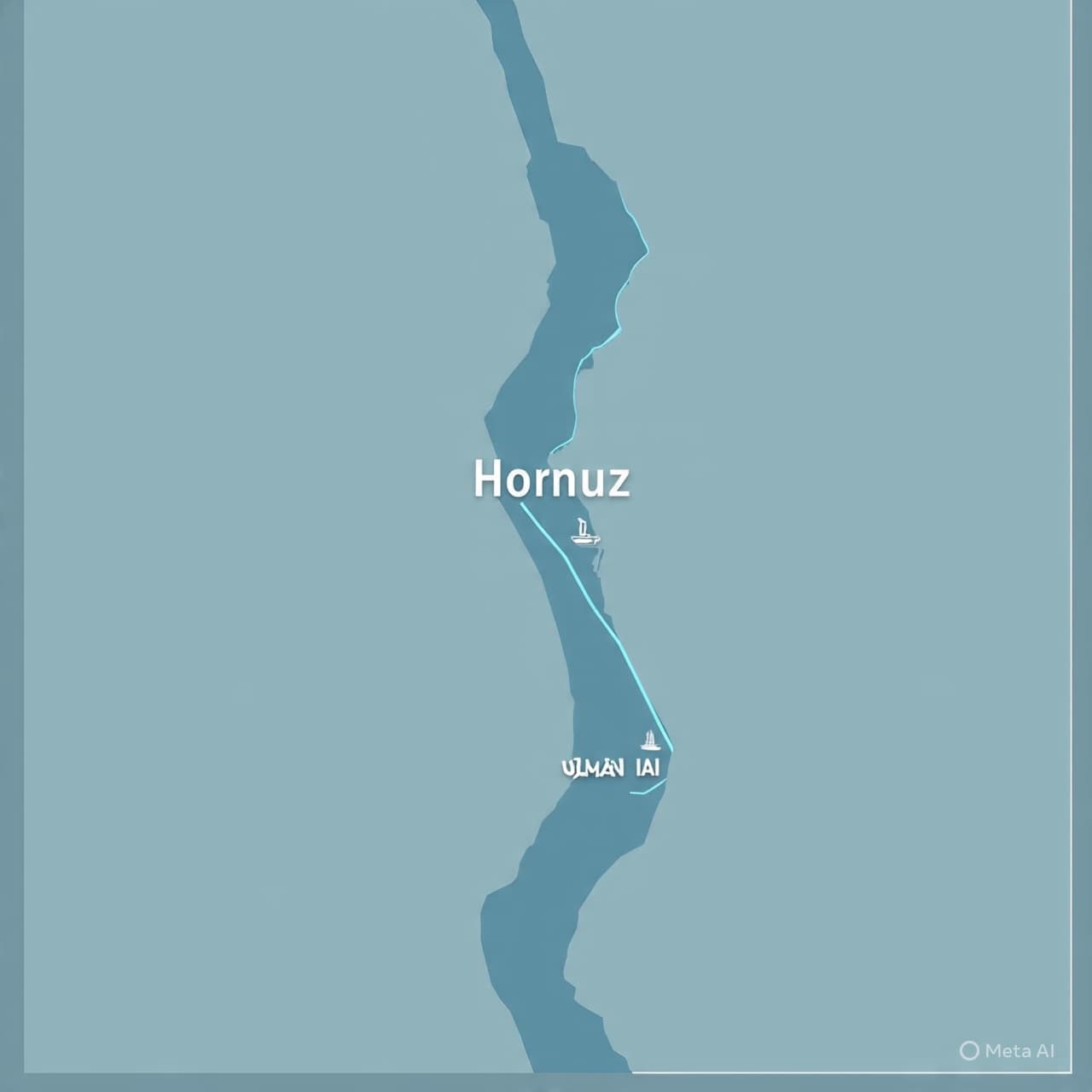
Particularly significant is the Strait of Hormuz, a narrow passage recognized for its global importance. This chokepoint is crucial for the transit of oil and gas, and any perceived threat to its security can trigger widespread economic repercussions. The current geopolitical climate has heightened awareness of this vulnerability, prompting policymakers to consider the ramifications of potential Iranian actions.
For decision-makers, the intelligence warnings serve as catalysts for strategic adjustments rather than definitive conclusions. They inform military readiness, diplomatic strategies, and communication with allies. The briefings received by Trump indicate a proactive approach to managing the risks associated with potential Iranian retaliation, suggesting that the U.S. is preparing for scenarios that could escalate beyond the immediate region.
Moreover, the presence of such warnings illustrates a broader reality: the current phase of tension is characterized by anticipation as much as by action. The mere possibility of retaliation influences behavior and decision-making processes, shaping responses even before any actual events unfold. This anticipatory mindset alters the tempo of diplomatic engagements and military posturing.
As the situation develops, attention remains focused on the various scenarios that could emerge. While some may dissipate into the background of ongoing tensions, others could crystallize, leading to significant consequences that have long been anticipated. The interplay of timing, intention, and the actions of multiple actors will ultimately determine the course of events in this volatile region.
In summary, the Gulf may appear calm on the surface, but the undercurrents of potential retaliation and geopolitical maneuvering are ever-present, influencing the dynamics of regional security and international relations. As the week progresses, the implications of these intelligence assessments will continue to unfold, shaping the landscape of Gulf politics and security.
Published by Banx Network. This article is part of the Banx decentralized media programme, powered by the BXE token on the XRP Ledger.



