
Key Highlights
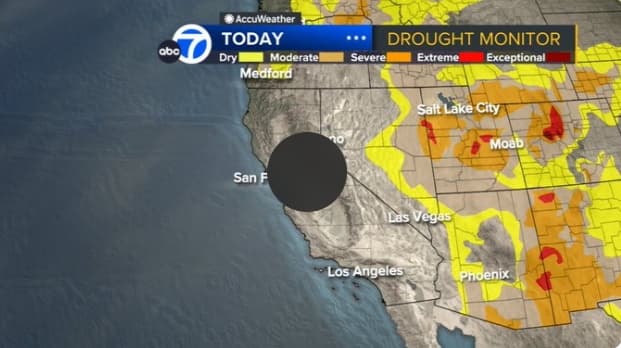
- California has zero areas classified as dry for the first time in 25 years.
- This milestone is attributed to significant rainfall and improved water management.
- Experts emphasize the need for continued vigilance in water conservation.
California has achieved a remarkable milestone, with the Drought Monitor reporting zero areas classified as experiencing dryness for the first time in a quarter-century. This positive development is attributed to a series of wet weather patterns and substantial precipitation over the past year, leading to improved water levels in reservoirs and aquifers.
The absence of dryness classifications is a welcome change for many Californians, who have faced years of severe drought conditions that adversely impacted agriculture, water supply, and overall ecosystem health. Agricultural producers, in particular, are optimistic about the potential for improved crop yields and more sustainable farming practices. The recent rainfall has not only replenished water sources but has also provided a much-needed boost to the agricultural sector, which has been struggling under the weight of prolonged drought.
State officials have noted that while this marks a significant improvement, it is essential to remain vigilant in water management and conservation efforts. "Even with these positive changes, we must continue to prioritize sustainable water use to ensure that we’re prepared for any future climate fluctuations," stated a spokesperson for California's Department of Water Resources. This statement underscores the importance of proactive measures in maintaining water resources, especially in a state that has historically faced water scarcity.
Experts warn that climate change remains a critical factor, and although current conditions are favorable, the state must be prepared for potential future dry spells. Ongoing investments in water infrastructure and conservation initiatives will be crucial in maintaining California's water resiliency. The state has been working on various projects aimed at enhancing water storage and distribution systems, which are vital for coping with the unpredictable nature of climate patterns.
As communities celebrate this positive turn of events, the focus now shifts to ensuring that the state's water resources are managed effectively to support both current needs and future sustainability. The progress seen this year serves as a reminder of the importance of adaptive strategies in confronting environmental challenges. Local governments and organizations are encouraged to collaborate on water conservation programs that educate residents about sustainable practices, ensuring that the lessons learned from past droughts are not forgotten.
In conclusion, while the declaration of zero areas of dryness is a significant achievement, it is a call to action for Californians to remain committed to responsible water use and management. The state's ability to navigate future challenges will depend on the collective efforts of its residents, policymakers, and environmental advocates.
Published by Banx Network. This article is part of the Banx decentralized media programme, powered by the BXE token on the XRP Ledger.



