As the seasons turn and the air grows crisp, California braces for a winter that promises to be both powerful and unpredictable. Governor Gavin Newsom’s declaration of a state of emergency in anticipation of El Niño conditions is a proactive step toward safeguarding the state from potential weather-related disasters. This move, taken before the first heavy rain falls, reflects a growing awareness of the climate’s volatility and the need for preparedness. It is a reminder that nature’s rhythms, while beautiful, can also be formidable, requiring us to respond with vigilance and care.
El Niño, a climate pattern characterized by warmer-than-average sea surface temperatures in the Pacific Ocean, has historically brought increased rainfall and storm activity to California. The current forecast suggests a strong event, raising concerns about flooding, landslides, and coastal erosion. By declaring an emergency, the state aims to mobilize resources, streamline procurement processes, and enhance coordination among local agencies. This strategic approach seeks to mitigate risks and protect communities that are vulnerable to the whims of the weather.
The declaration allows state agencies to act more swiftly in preparing for potential impacts. This includes pre-positioning equipment, securing contracts for debris removal, and enhancing communication systems. For local governments, this support is crucial, as many lack the resources to handle large-scale emergencies on their own. The state’s intervention serves as a safety net, ensuring that no community is left behind when the storms arrive. It is a testament to the importance of collective action in the face of natural challenges.
Historically, El Niño winters have been a mixed blessing for California. While they offer relief from drought conditions, replenishing reservoirs and snowpack, they also bring the threat of destructive floods. The balance between benefit and hazard is delicate, requiring careful management of water resources and infrastructure. Engineers and planners are working to reinforce levees, clear drainage systems, and monitor soil saturation levels. These efforts are essential to minimizing damage and ensuring public safety.
For residents, the emergency declaration is a call to action. Authorities urge individuals to prepare emergency kits, secure outdoor items, and stay informed about weather updates. Community organizations are hosting workshops and distributing supplies to help those who may be less equipped to handle severe weather. This grassroots response complements state efforts, creating a network of resilience that spans from individual households to regional agencies. It is a reminder that preparedness is a shared responsibility.
The economic implications of El Niño are also significant. Agriculture, tourism, and construction industries may face disruptions due to heavy rains and road closures. However, the influx of water can also boost agricultural productivity in the long term, provided that flooding is managed effectively. Businesses are adjusting their operations to account for potential delays, while insurers are reviewing policies to address increased risk. The economic landscape, like the weather, is in a state of flux.
Climate scientists note that while El Niño is a natural phenomenon, its effects may be amplified by climate change. Rising global temperatures can intensify weather patterns, leading to more extreme events. This context adds urgency to the state’s preparedness efforts, highlighting the need for long-term adaptation strategies. Investments in green infrastructure, sustainable water management, and resilient urban planning are critical to building a future that can withstand such variability.
As the winter approaches, the mood in California is one of cautious optimism. The promise of rain is welcome after years of drought, but the potential for chaos is a sobering reality. The state’s proactive stance offers a measure of confidence, demonstrating a commitment to protecting its people and environment. It is a hopeful sign that even in the face of uncertainty, we can take meaningful steps to secure our well-being.
California’s emergency declaration for El Niño is a prudent measure in the face of impending winter storms. As the state prepares for the weather ahead, let us remember the importance of community, preparedness, and respect for the natural world. In unity and vigilance, we find the strength to weather any storm.
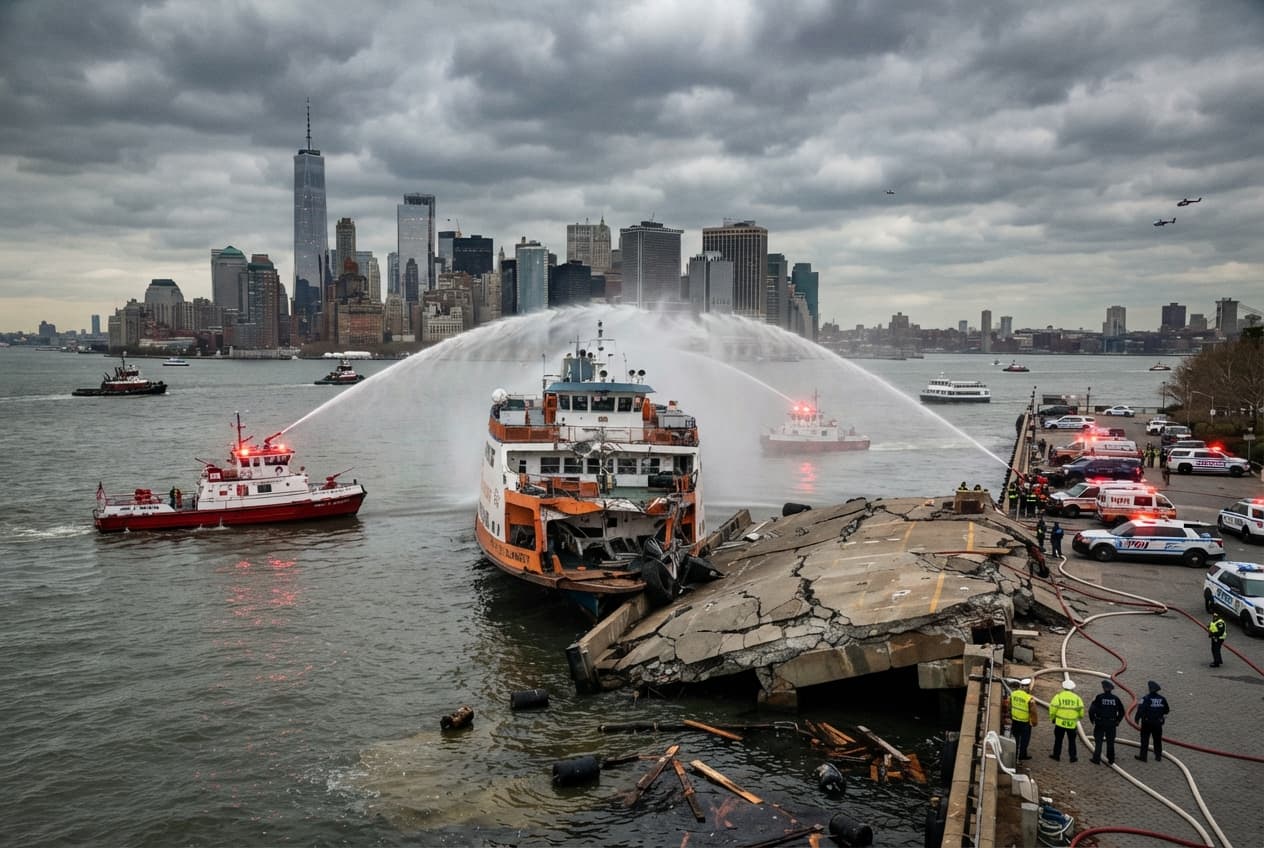
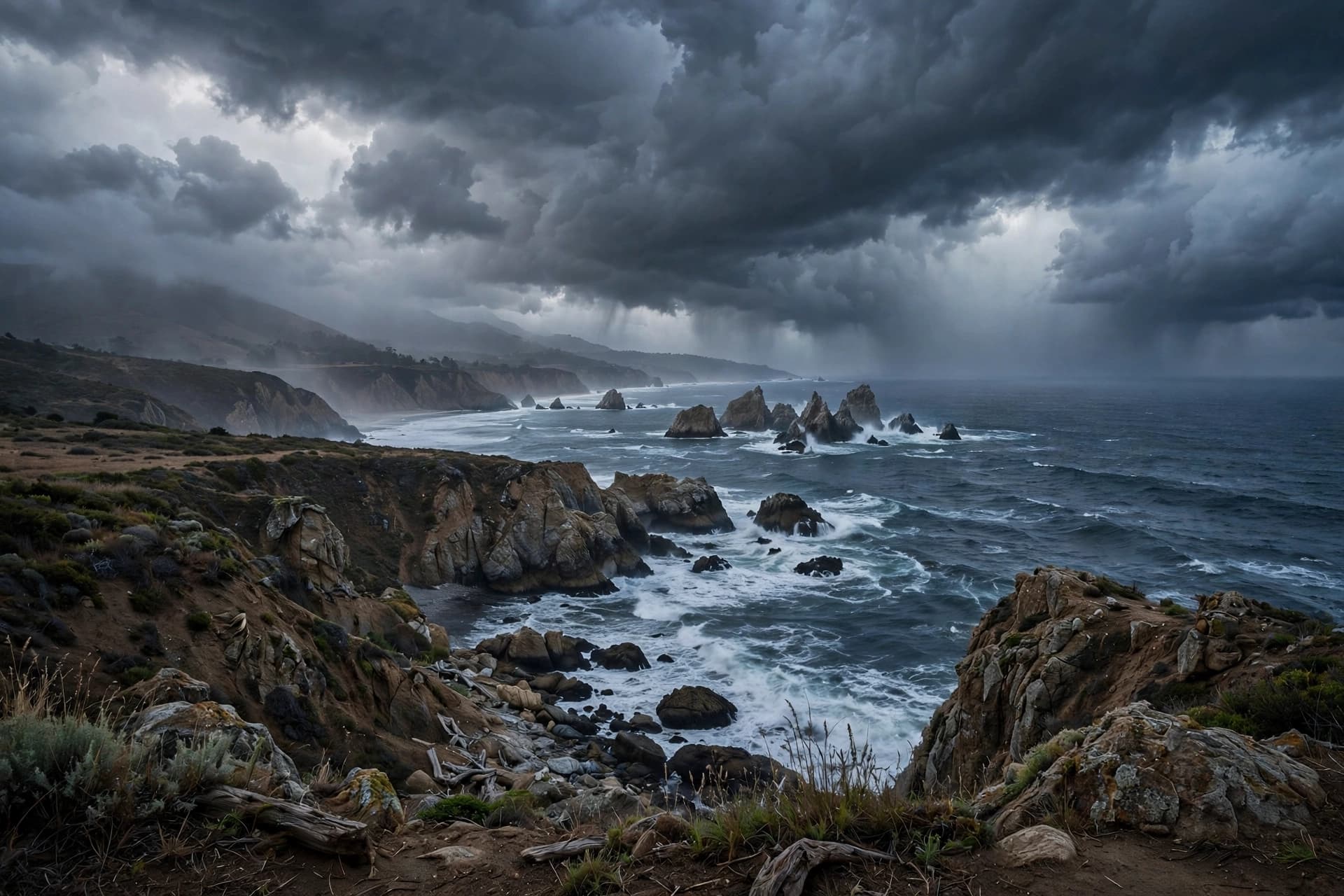
AI Image Disclaimer: Visuals used in this report are AI-generated illustrations intended to convey the theme of weather preparedness without depicting real-time events.
Sources: Governor.ca.gov ABC30 KTLA
Published by Banx Network. This article is part of the Banx decentralized media programme, powered by the BXE token on the XRP Ledger.