
Key Highlights
- Incident:A forklift explosion at Tank Test Laboratories injured a driver in March 2024.
- Fine:The company was fined $300,000 for safety violations leading to the incident.
- Reparation:The court ordered $5,000 in reparations for the injured worker.
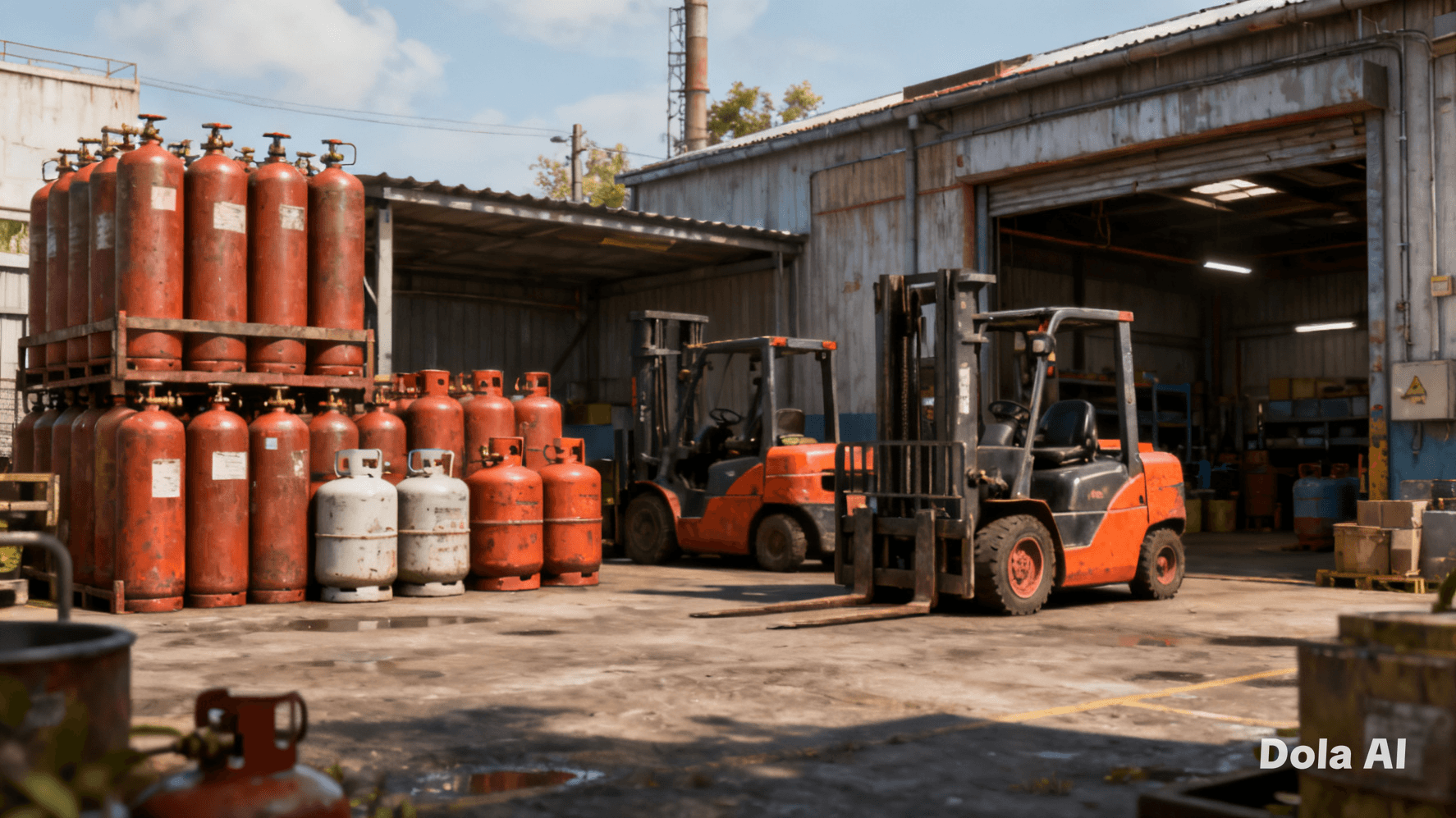
In March 2024, a serious workplace incident at a Tank Test facility in Auckland underscored the critical importance of safety protocols in industrial settings. The explosion, which occurred when a forklift ignited Liquefied Petroleum Gas (LPG) released from decommissioned cylinders, left a forklift driver with severe burns. This week, the Manukau District Court imposed a $300,000 fine on Tank Test Laboratories 2017 Limited after the company admitted that the conditions leading to the explosion could have been prevented.
The incident highlights a significant lapse in safety measures. According to court documents, the company had previously identified the risk associated with the handling of LPG but failed to implement adequate controls to mitigate that risk. The driver, who was hospitalized for nine weeks, faced not only physical recovery but also the psychological burden of knowing that the incident could have been avoided. In the judge's remarks, the hazard was described as “clear and obvious,” emphasizing that practical measures, such as separating degassing operations from active forklift use, were necessary to prevent such accidents.
WorkSafe New Zealand's principal inspector, David Worsfold, pointed out that identifying risks is merely the first step in ensuring workplace safety. He stressed that having safety procedures documented is insufficient if they are not actively enforced and monitored. In this case, it was noted that the company only acquired a flame-proof forklift after regulatory intervention, a measure that could have potentially prevented the explosion had it been implemented earlier.
In addition to the hefty fine, the court ordered the company to pay $5,000 in reparations to the injured worker, acknowledging the significant hardship endured due to the incident. The judge clarified that the fine was not a reflection of any intent to harm but rather a corporate reminder of the necessity for active and effective safety systems in the workplace.
This case serves as a cautionary tale for businesses of all sizes, illustrating the dire consequences that can arise from the gap between knowledge and action regarding safety protocols. In environments where flammable gases, heavy machinery, and routine operations intersect, the discipline of safety must transcend mere procedural language; it must be a lived practice ingrained in the company culture.
As the legal proceedings conclude, the community is left to reflect on the broader implications of this incident. It is a stark reminder of the human cost associated with workplace safety failures, the diligence required from regulators, and the essential nature of foresight and care in maintaining a safe working environment. The story of the injured worker serves as a poignant reminder that safety is not just a regulatory requirement but a fundamental human right that must be prioritized in every workplace.
Published by Banx Network. This article is part of the Banx decentralized media programme, powered by the BXE token on the XRP Ledger.



