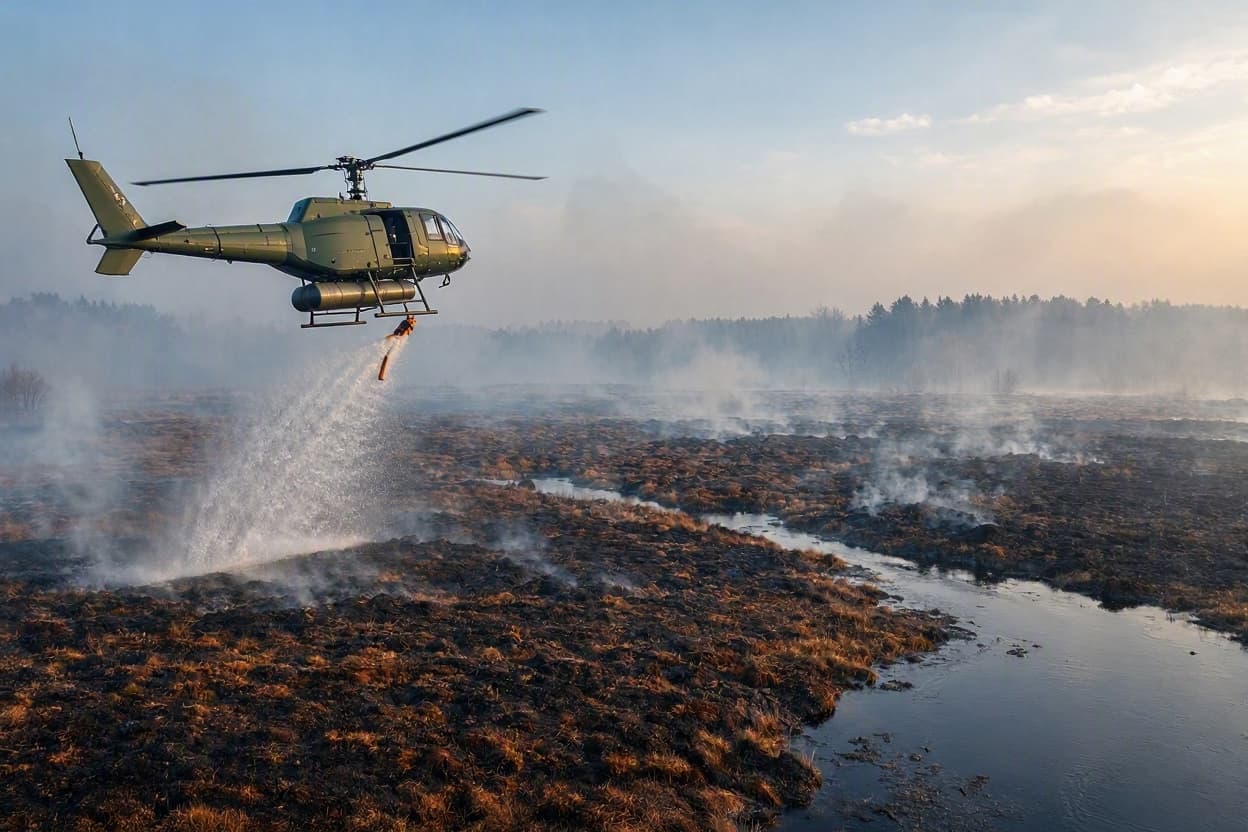
The skies over Southeast Asia have once again turned a hazy gray, a familiar yet troubling sight that signals the return of the annual wildfire season. In Indonesia, vast tracts of forest and peatland are ablaze, sending thick plumes of smoke across borders and into neighboring Malaysia. As air quality deteriorates and visibility drops, authorities are ramping up aerial firefighting efforts in a desperate bid to contain the blazes before they cause further environmental and health damage.
The fires, primarily concentrated in the provinces of South Sumatra and Kalimantan on the island of Borneo, are exacerbated by dry weather conditions and illegal land-clearing practices. Peatlands, which are rich in carbon and highly flammable when dry, are particularly vulnerable. Once ignited, these underground fires can smolder for weeks, releasing massive amounts of smoke and greenhouse gases into the atmosphere. The resulting haze has pushed air pollution levels in parts of Malaysia to unhealthy ranges, forcing schools to close and residents to stay indoors.
Indonesian officials have deployed multiple water-bombing helicopters and aircraft to target hotspots. These aerial operations are complemented by ground teams working to create firebreaks and extinguish flames manually. Despite these efforts, the scale of the fires and the difficult terrain make containment a significant challenge. The government has also issued strict warnings against open burning, imposing heavy fines and prison sentences for violators.
The transboundary nature of the haze highlights the regional impact of local environmental mismanagement. Malaysia, along with Singapore and other neighboring countries, has historically expressed frustration with Indonesia’s handling of the fires. Diplomatic tensions often rise during these periods, underscoring the need for stronger regional cooperation and enforcement of environmental laws. The Association of Southeast Asian Nations (ASEAN) has previously facilitated agreements to address the issue, but implementation remains inconsistent.
Health concerns are paramount. The fine particulate matter in the haze can penetrate deep into the lungs, causing respiratory issues and aggravating existing conditions. Hospitals in affected areas report an increase in patients seeking treatment for coughs, asthma, and eye irritation. Vulnerable populations, including children and the elderly, are advised to limit outdoor activities and wear masks when necessary.
Environmentalists point to the underlying causes of the fires, including deforestation for palm oil and pulpwood plantations. They argue that sustainable land-use practices and better monitoring systems are essential to prevent future crises. Corporate accountability and consumer awareness play crucial roles in driving change, as demand for sustainably sourced products grows.
As the firefighting efforts continue, the hope is that rain will soon arrive to help dampen the flames. Until then, the region remains on high alert, watching the skies and breathing through filters. The recurring nature of this crisis serves as a stark reminder of the fragility of the environment and the urgent need for proactive solutions.
The intensification of aerial firefighting in Indonesia is a critical response to a recurring environmental emergency. It underscores the importance of regional collaboration and sustainable practices in protecting both human health and the planet’s vital ecosystems.
AI Image Disclaimer: Visuals associated with this article are AI-generated interpretations designed to reflect the urgency and scale of the public safety concern.
Sources: Associated Press, Mongabay, The Seattle Times, Sitka Sentinel
Published by Banx Network. This article is part of the Banx decentralized media programme, powered by the BXE token on the XRP Ledger.