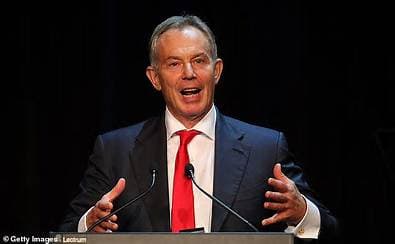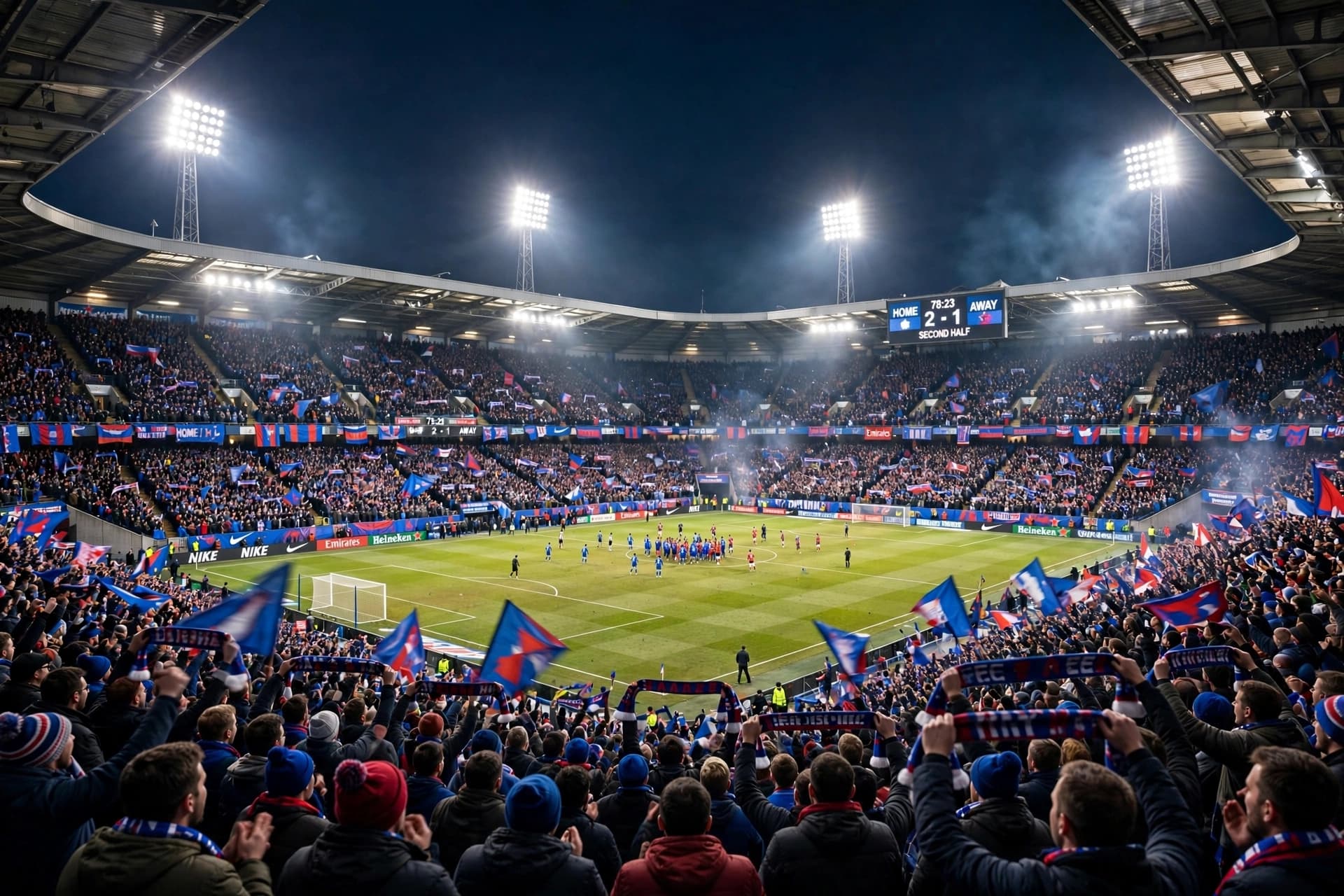
In the United Kingdom, a long-standing debate over fan culture and public safety has reignited with comments from Prime Minister Andy Burnham. He has described the ban on alcohol consumption in football stadium stands as "discriminatory" and outdated, signaling a potential shift in policy. This perspective challenges the status quo established after the tragedies of the 1980s, suggesting that modern crowds can be trusted to behave responsibly. It is a moment of reflection on how society balances tradition, safety, and personal freedom. Change often begins with a question.
The current laws, rooted in the Sporting Grounds Act of 1985, prohibit the sale and consumption of alcohol in view of the pitch during matches. Proponents argue that these rules help maintain order and prevent hooliganism. However, critics like Mr. Burnham point out that fans can drink in other venues, such as rugby stadiums and cricket grounds, without similar restrictions. This disparity raises questions about fairness and consistency. Equality is a core value.
Prime Minister Burnham’s remarks suggest that the government may consider a trial period allowing alcohol in stands for men’s football matches. This approach would allow authorities to assess the impact on behavior and safety before making any permanent changes. Evidence-based policy is prudent. Caution guides progress.
Football clubs and fan groups have largely welcomed the idea, arguing that it would enhance the matchday experience and boost revenue. They believe that responsible fans should not be penalized for the actions of a minority. Trust fosters responsibility. Respect is mutual.
However, some safety experts and police federations remain cautious. They warn that removing the ban could lead to an increase in disorder, particularly in high-risk matches. Finding the right balance requires careful planning and robust enforcement strategies. Safety is paramount. Preparation prevents problems.
The political implications are significant, with opposition parties scrutinizing the proposal. Debates in Parliament will likely focus on the potential risks and benefits, as well as the views of constituents across the country. Democratic dialogue ensures diverse perspectives. Listening leads to better decisions.
For the average fan, the possibility of enjoying a beer in the stands is a nostalgic dream for some and a concern for others. The cultural shift would require a change in mindset and behavior from everyone involved. Culture evolves with time. Adaptation is key.
In the end, the discussion on alcohol bans in football is about more than just drinks; it is about trust and maturity in society. As the government considers its next steps, the hope is for a solution that respects fans while ensuring safety. The game goes on, with or without a pint. Balance is the goal.
AI Image Disclaimer: The visual aids included here are AI-generated illustrations depicting football stadiums and social themes, not actual photographs of Prime Minister Andy Burnham or specific football matches in the UK.
Sources: ESPN The Guardian Reuters
Published by Banx Network. This article is part of the Banx decentralized media programme, powered by the BXE token on the XRP Ledger.