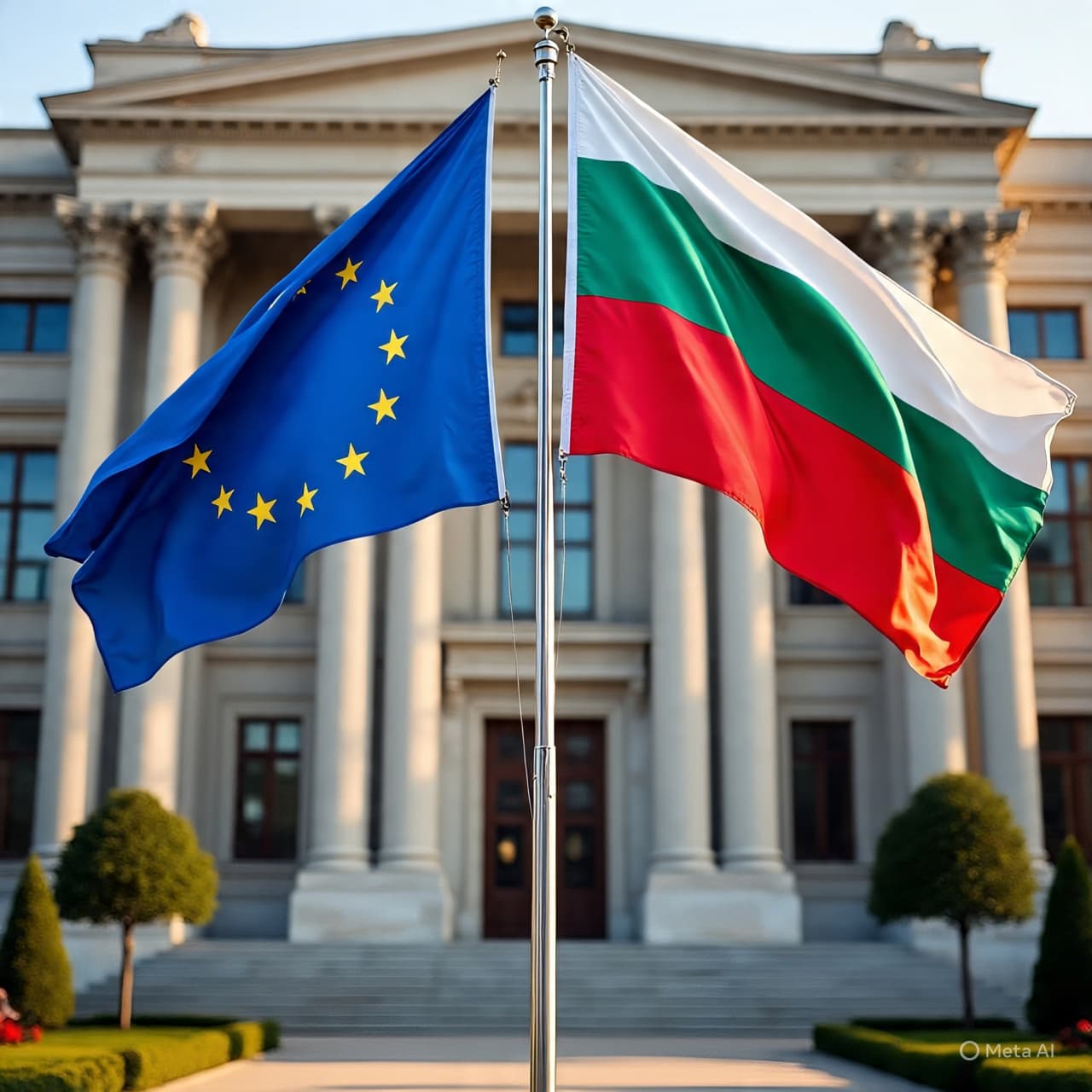
Bulgaria has taken one of the most consequential economic steps in its modern history, formally joining the eurozone after years of preparation, negotiation, and political debate. The move marks a decisive turn toward deeper European integration, even as it continues to divide public opinion at home.
For the government in Sofia, euro adoption represents stability, credibility, and a seal of confidence from Europe’s financial core. Officials have pointed to strengthened fiscal discipline, improved banking oversight, and long-term economic predictability as reasons the country is ready to share the common currency. The decision also positions Bulgaria more firmly within the European Union’s institutional center, ending its long status as an outsider to the euro area.
Yet the transition has unfolded against a backdrop of public unease. Critics worry about rising prices, loss of monetary sovereignty, and the potential erosion of economic control. Street protests and opinion polls have reflected a persistent skepticism, particularly among lower-income households wary of cost-of-living pressures. For many, the euro represents not integration, but uncertainty.
Supporters counter that similar fears accompanied earlier expansions of the eurozone and that long-term benefits often outweighed short-term adjustments. They argue that the lev’s long-standing peg to the euro already limited monetary independence, making formal adoption a logical, if symbolic, next step. In their view, entry into the eurozone signals economic maturity rather than surrender.
European institutions have framed Bulgaria’s accession as a milestone for regional cohesion. It reinforces the idea of convergence at a time when the European project faces internal and external tests. For Brussels, the move is less about currency and more about confidence — a signal that enlargement and integration remain viable despite political headwinds.
As Bulgaria prepares for the practical realities of life with the euro, the country finds itself balancing optimism with apprehension. The notes and coins may change, but the deeper question lingers: whether economic integration will translate into broader trust and shared prosperity for all citizens.
Published by Banx Network. This article is part of the Banx decentralized media programme, powered by the BXE token on the XRP Ledger.