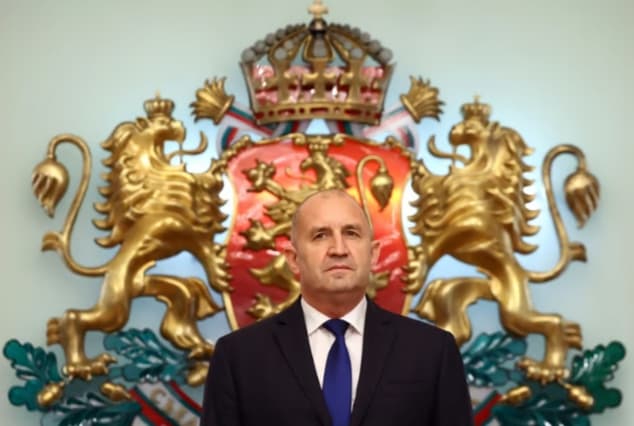
As of January 1, 2026, Bulgaria has officially joined the Eurozone, adopting the euro (€) as its new currency. This landmark decision represents a key step in Bulgaria's ongoing integration within the European Union and is expected to have profound implications for its economy and its citizens' daily lives. Economic Integration and Stability
The adoption of the euro is anticipated to bring significant benefits to Bulgaria's economy. By aligning itself with the common European currency, Bulgaria aims to enhance trade relations, attract foreign investment, and foster economic stability. Experts believe that having a stable currency will ease cross-border transactions and diminish the risks associated with currency fluctuations.
Moreover, euro adoption may reinforce Bulgaria’s economic standing within Europe, potentially boosting consumer confidence and providing an opportunity for local businesses to expand their reach across Eurozone markets. Transition Challenges
However, transitioning to the euro is not without its challenges. The process demands careful planning and execution, particularly concerning the conversion of pricing, salaries, and savings. Citizens are likely to face a learning curve as they adjust to a new currency system, including changes to their financial habits and everyday transactions. The central bank has outlined strategies to assist the public in this transition, including educational campaigns and resources to inform citizens about managing the switch. Government and Public Opinion
Government officials have expressed optimism about the move, arguing that it aligns Bulgaria with other EU nations and prepares it for future economic resilience. Public opinion is mixed; while many citizens recognize the potential benefits of euro adoption, others voice concerns about inflation and the loss of the Bulgarian lev's sovereignty.
In response to these apprehensions, the government has committed to ensuring that the transition safeguards consumer interests and maintains price stability. Future Outlook
As Bulgaria embarks on this new era, the successful implementation of the euro will depend on collaboration among government bodies, businesses, and the public. Monitoring the economic impacts and addressing challenges swiftly will be crucial for a smooth transition.
Ultimately, joining the Eurozone signifies not only a change in currency but also a commitment to deeper European integration and a more prosperous future for Bulgaria. As the nation adapts to this significant change, all eyes will be on its economic developments in the coming months.
Published by Banx Network. This article is part of the Banx decentralized media programme, powered by the BXE token on the XRP Ledger.