
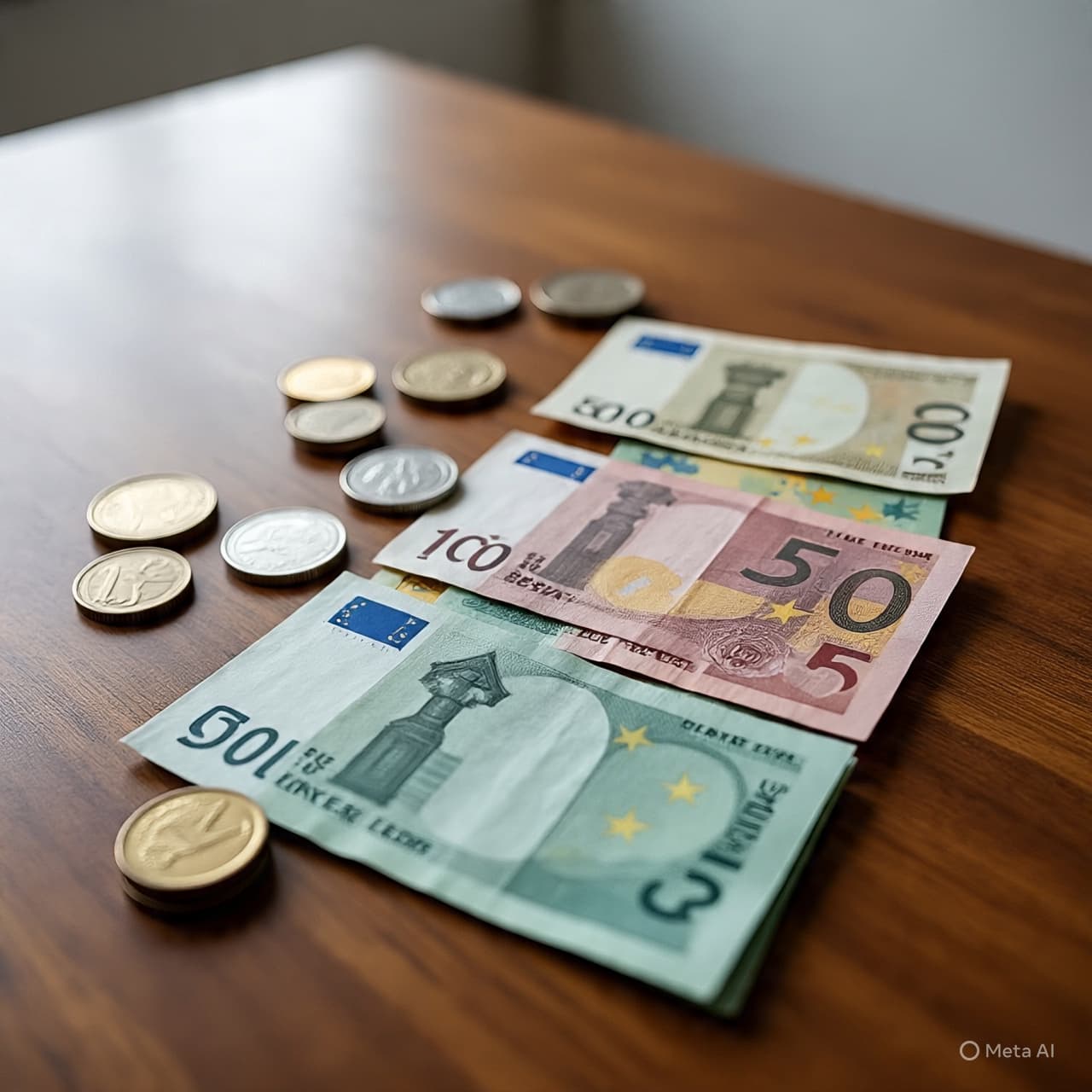
Money is rarely just money. It carries memory, habit, and a quiet sense of belonging. In Bulgaria, the question of joining the euro is not unfolding as a simple economic calculation, but as a careful national conversation — one shaped by caution, experience, and the weight of past transitions.
Public opinion surveys reveal a country divided. Many Bulgarians express hesitation, and in some cases outright opposition, to replacing the lev with the euro. For older generations especially, the national currency represents stability hard-earned after years of economic uncertainty. The prospect of change, even toward deeper European integration, stirs unease rather than excitement.
Concerns often return to everyday life. People worry about prices creeping upward, wages lagging behind, and small savings losing value during conversion. These fears are not abstract. They are rooted in stories from other countries, personal memories of inflation, and a broader mistrust of promises that feel distant from the grocery store and the household budget.
At the same time, many Bulgarians say they do not feel adequately informed about what euro adoption would actually involve. Technical explanations about exchange rates, safeguards, and transition periods struggle to compete with rumors and anxieties. In this gap, uncertainty grows, reinforcing resistance even among those who are not firmly opposed in principle.
Support does exist, particularly among younger people, urban residents, and business communities. For them, the euro represents predictability, easier trade, and a firmer place within the European Union. They speak of long-term benefits rather than short-term disruption, of belonging rather than loss. Yet even among supporters, there is often an acceptance that the public remains unconvinced.
What unites many Bulgarians, regardless of stance, is a desire to be heard. Calls for a referendum reflect not just disagreement over the euro itself, but a wish for agency in a decision that touches daily life so closely. The debate is less about rejection than about readiness — about whether the country feels prepared, informed, and protected.
As Bulgaria stands at this monetary crossroads, the conversation continues without urgency but with consequence. The euro waits as a possibility, not yet a certainty. And for now, the lev remains — familiar in the hand, carrying with it the measured pace of a nation still deciding when, and how, to let go.
AI Image Disclaimer Illustrations were produced with AI and serve as conceptual depictions.
Sources Reuters BBC News Bulgarian National Radio Novinite Balkan Insight
Published by Banx Network. This article is part of the Banx decentralized media programme, powered by the BXE token on the XRP Ledger.
.jpg&w=3840&q=75 "Blake Lively Awarded $400,000 in Legal Fees After Justin Baldoni Lawsuit Dismissed")

