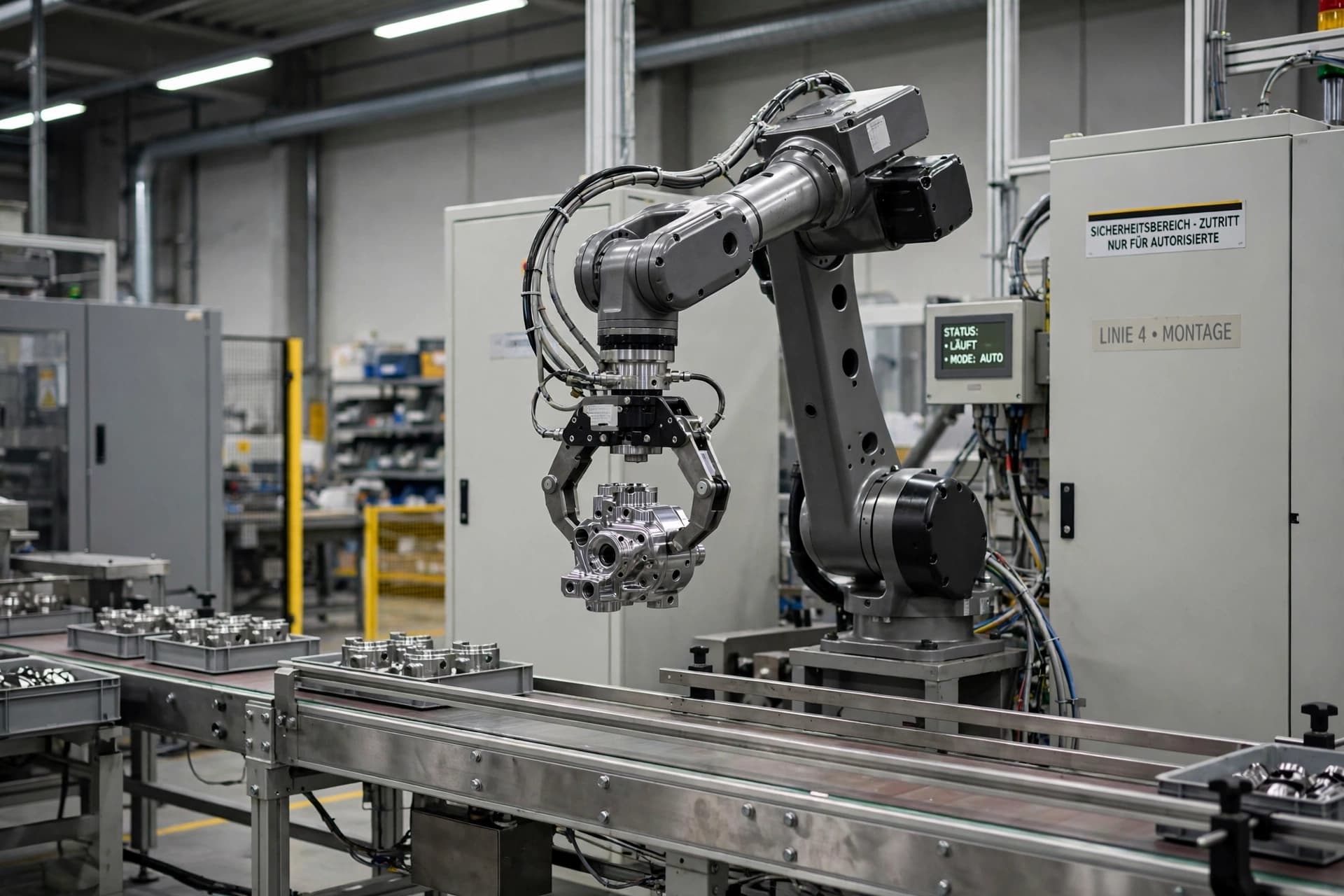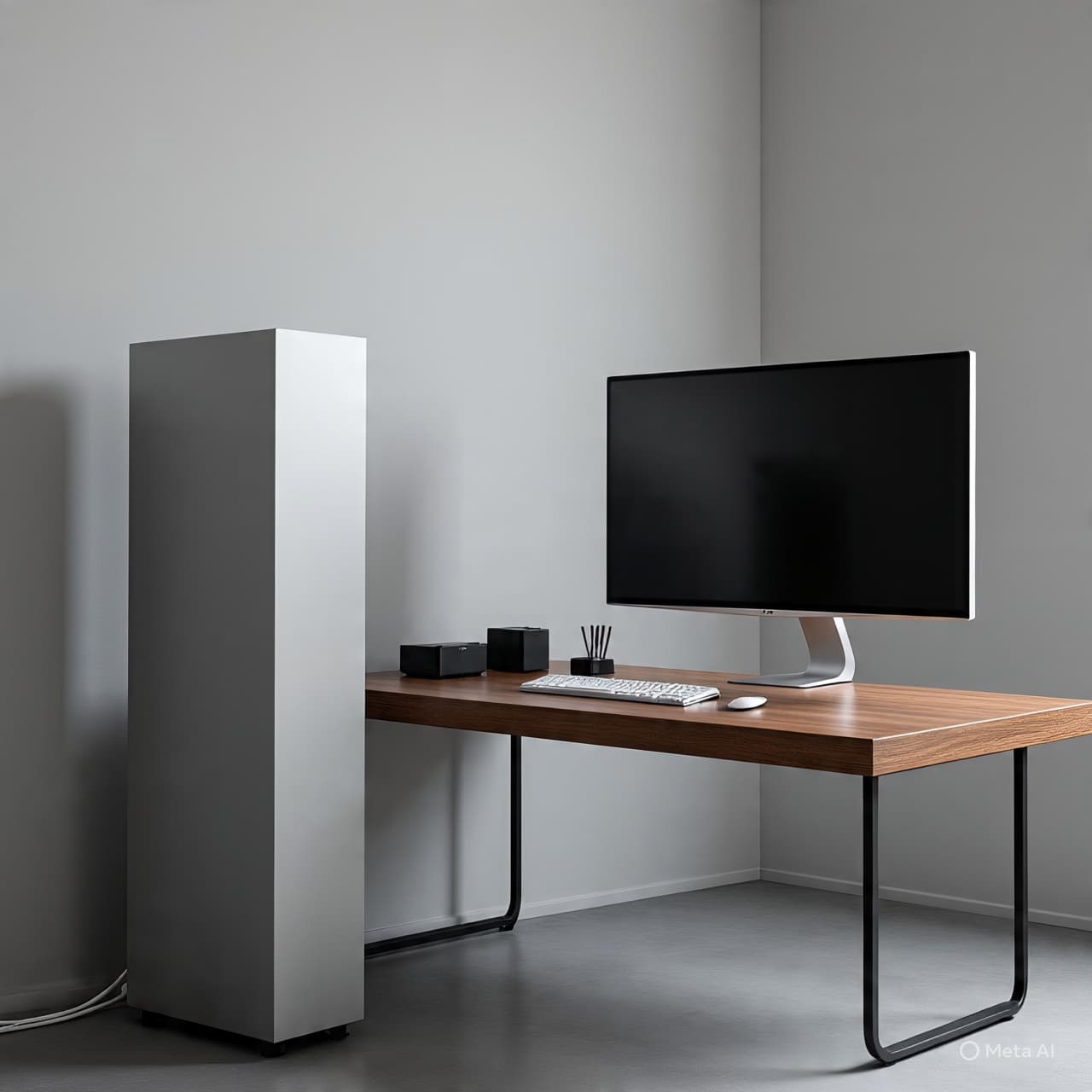
Workstations rarely draw attention to themselves. They sit beneath desks or inside racks, humming steadily, doing the kind of work that resists metaphor—calculations, simulations, compilations measured in hours rather than moments. When they change, the shift is felt quietly, in time saved and limits moved slightly outward.
Intel has announced the Xeon 600 Series for workstations, built on its Granite Rapids architecture. The release is aimed not at consumers chasing novelty, but at professionals whose work depends on sustained performance: engineers, researchers, designers, and developers whose systems are defined by endurance rather than bursts.
Granite Rapids represents a continuation of Intel’s approach to high-core-count, compute-focused processors. The architecture emphasizes scalability, memory bandwidth, and reliability, qualities that matter most when workloads persist rather than spike. In workstations, this translates to systems that can handle complex modeling, large datasets, and parallel tasks without constant compromise.
The Xeon 600 Series also reflects how workstation needs have evolved. Tasks once reserved for servers now live on desks—AI development, real-time rendering, scientific analysis. As boundaries between workstation and data center blur, processors are expected to carry more responsibility locally, reducing latency while maintaining stability.
Power efficiency and thermal management remain central concerns. Granite Rapids is designed to deliver performance without demanding unsustainable energy or cooling overhead, an increasingly important balance as offices and studios absorb heavier computational loads. Reliability, long a defining trait of Xeon branding, continues to shape the platform’s identity.
There is no dramatic reimagining here, and that restraint is intentional. Workstation users value predictability, long support cycles, and incremental gains that compound over time. The Xeon 600 Series fits into that philosophy, extending existing workflows rather than forcing adaptation.
In announcing Granite Rapids for workstations, Intel is less interested in spectacle than in continuity. The processors arrive as tools meant to disappear into daily use, measured not by launch headlines but by how rarely they interrupt the work they are meant to sustain. In that quiet persistence, their significance takes shape.
AI Image Disclaimer Illustrations are AI-generated and intended as conceptual representations.
Sources Intel product announcements Enterprise processor architecture analyses Workstation hardware industry reports
Published by Banx Network. This article is part of the Banx decentralized media programme, powered by the BXE token on the XRP Ledger.