
Key Highlights
- Rapid Expansion:Investment in AI infrastructure is accelerating across the U.S.
- Energy Demand:Large data centers are driving significant electricity consumption.
- Economic Impact:New facilities are expected to create jobs and local investment.
The landscape of artificial intelligence (AI) is rapidly evolving, yet its underlying infrastructure often goes unnoticed. As AI technologies become integral to various sectors, the physical backbone supporting these advancements—comprising servers, data centers, and communication networks—is undergoing a significant transformation. Across the United States, investments in this infrastructure are accelerating, reflecting a pivotal moment in technological history.
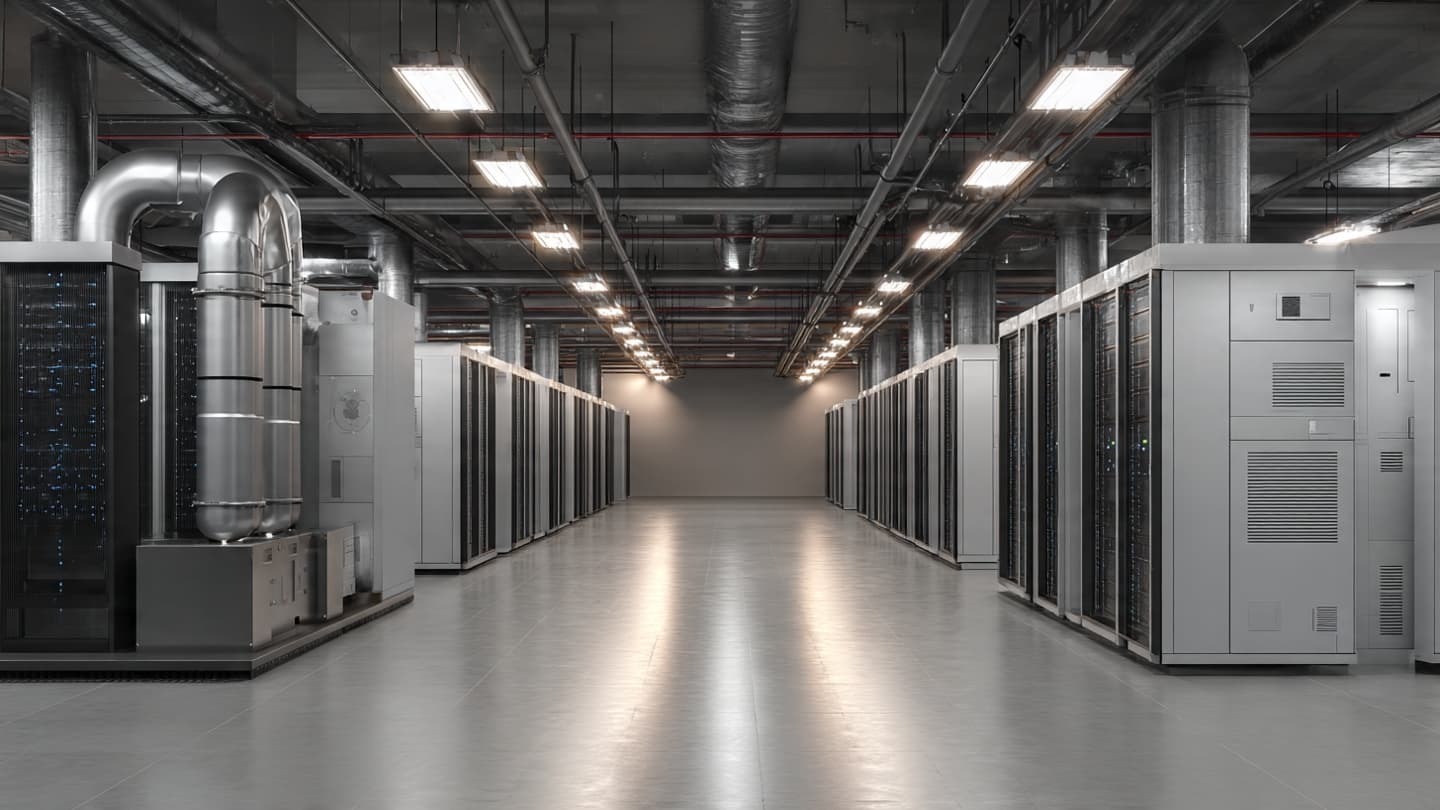
Technology companies are at the forefront of this expansion, constructing massive data centers equipped with cutting-edge processors. These facilities are crucial for the computational power needed to train and deploy large-scale AI models. As businesses increasingly integrate AI into healthcare, education, finance, and manufacturing, the demand for robust computing resources continues to surge, leading to an unprecedented need for processing capacity.
Energy consumption has emerged as a critical issue in this infrastructure boom. Large data centers require substantial electricity to operate and maintain cooling systems, prompting utilities, tech firms, and policymakers to explore strategies for ensuring reliable energy availability. This includes addressing environmental concerns associated with high energy demands, as the industry seeks to balance growth with sustainability.
Construction activity related to AI infrastructure is on the rise in various regions, with communities anticipating economic benefits such as job creation and local investment. However, this growth also raises concerns about land use, water resources, and energy demands. Planners must navigate these challenges while fostering technological development and ensuring that local communities benefit from the influx of new facilities.
In addition to private sector investments, universities and research institutions are also playing a vital role in this transformation. Academic centers are increasingly seeking access to advanced computing resources to support scientific discovery across diverse fields, from medicine to climate modeling. Collaborations between educational institutions and industry are expanding, reflecting the growing importance of technological capabilities in research and development.
The competitive landscape within the technology sector has further accelerated investments in AI infrastructure. Companies recognize that access to powerful computational resources is becoming a strategic asset. Organizations that can leverage advanced infrastructure are likely to gain advantages in developing innovative products and services, as well as enhancing their research capabilities.
The expansion of AI infrastructure encompasses more than just hardware. It includes the development of fiber-optic networks, cloud computing platforms, cybersecurity systems, and specialized software, all of which contribute to the broader ecosystem supporting artificial intelligence. Together, these elements form the foundation upon which future AI applications will be built.
As the industry moves forward, environmental sustainability remains a key consideration. Leaders are exploring partnerships focused on renewable energy, improved cooling technologies, and efficiency measures to mitigate operational impacts. Balancing the rapid growth of AI infrastructure with responsible resource management will be a significant challenge in the coming years.
The swift construction of AI infrastructure signifies more than just technological ambition; it embodies a belief in the transformative potential of artificial intelligence. While the visible outputs of AI capture public attention, the extensive network powering these advancements is equally significant, quietly shaping the future of economic activity, scientific research, and everyday life.
AI Image Disclaimer: Graphics are AI-generated and intended for representation, not reality.
Published by Banx Network. This article is part of the Banx decentralized media programme, powered by the BXE token on the XRP Ledger.



