Opening: The arteries of modern society are its transportation networks, carrying people and goods with a rhythm that defines our daily lives. When these systems falter, the impact is felt deeply. Recently, updates from across the globe have highlighted a renewed focus on safety and infrastructure integrity. From high-speed rail enhancements in Asia to bridge maintenance programs in the West, countries are investing in the backbone of their mobility, ensuring that travel remains not just efficient, but secure.
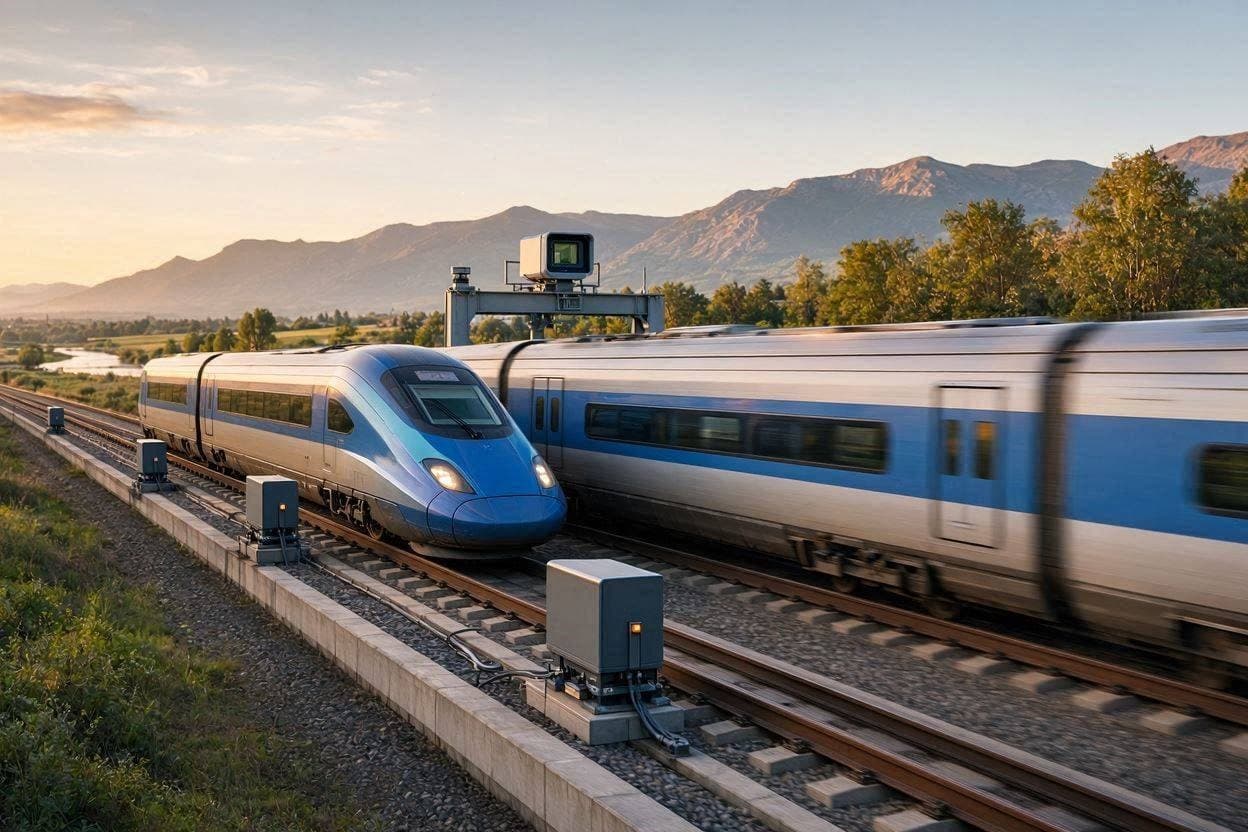
Body: In Asia, several countries have implemented advanced safety protocols for their high-speed rail networks. Following minor incidents in previous years, new sensor technologies and automated inspection systems have been deployed to detect structural weaknesses early. These innovations allow for proactive maintenance, reducing the risk of accidents and ensuring the reliability of one of the region’s most vital transport modes.
Meanwhile, in Europe and North America, attention has turned to aging infrastructure. Governments have allocated significant funds for the repair and replacement of bridges, tunnels, and roads. These projects are not merely about fixing cracks; they are about upgrading materials to withstand changing climate conditions and heavier traffic loads. The goal is to create a resilient network that can serve future generations.
Digitalization is also playing a key role in improving safety. Smart traffic management systems are being introduced in major cities, using real-time data to optimize flow and reduce congestion. These systems can predict potential hazards and alert drivers or autonomous vehicles, preventing accidents before they happen. It is a shift from reactive to predictive safety, leveraging technology to protect lives.
Public transport safety has also received a boost. Enhanced surveillance, better lighting, and increased staff presence are being implemented in subway and bus systems worldwide. These measures aim to create a safer environment for passengers, encouraging the use of public transport and reducing reliance on private cars. It is a holistic approach that considers both physical and personal security.
International standards are being harmonized to ensure consistency in safety practices. Organizations like the International Transport Forum are facilitating knowledge exchange, allowing countries to learn from each other’s successes and failures. This collaboration helps to raise the bar globally, ensuring that best practices are adopted widely.
The economic benefits of these improvements are substantial. Safer and more reliable transportation networks boost trade, tourism, and productivity. They attract investment and enhance the quality of life for citizens. Thus, infrastructure spending is seen not as a cost, but as an investment in national prosperity.
Closing: The recent updates in transportation safety and infrastructure reflect a global commitment to mobility that is both efficient and secure. By investing in technology, maintenance, and international cooperation, countries are building a foundation for a safer and more connected future.
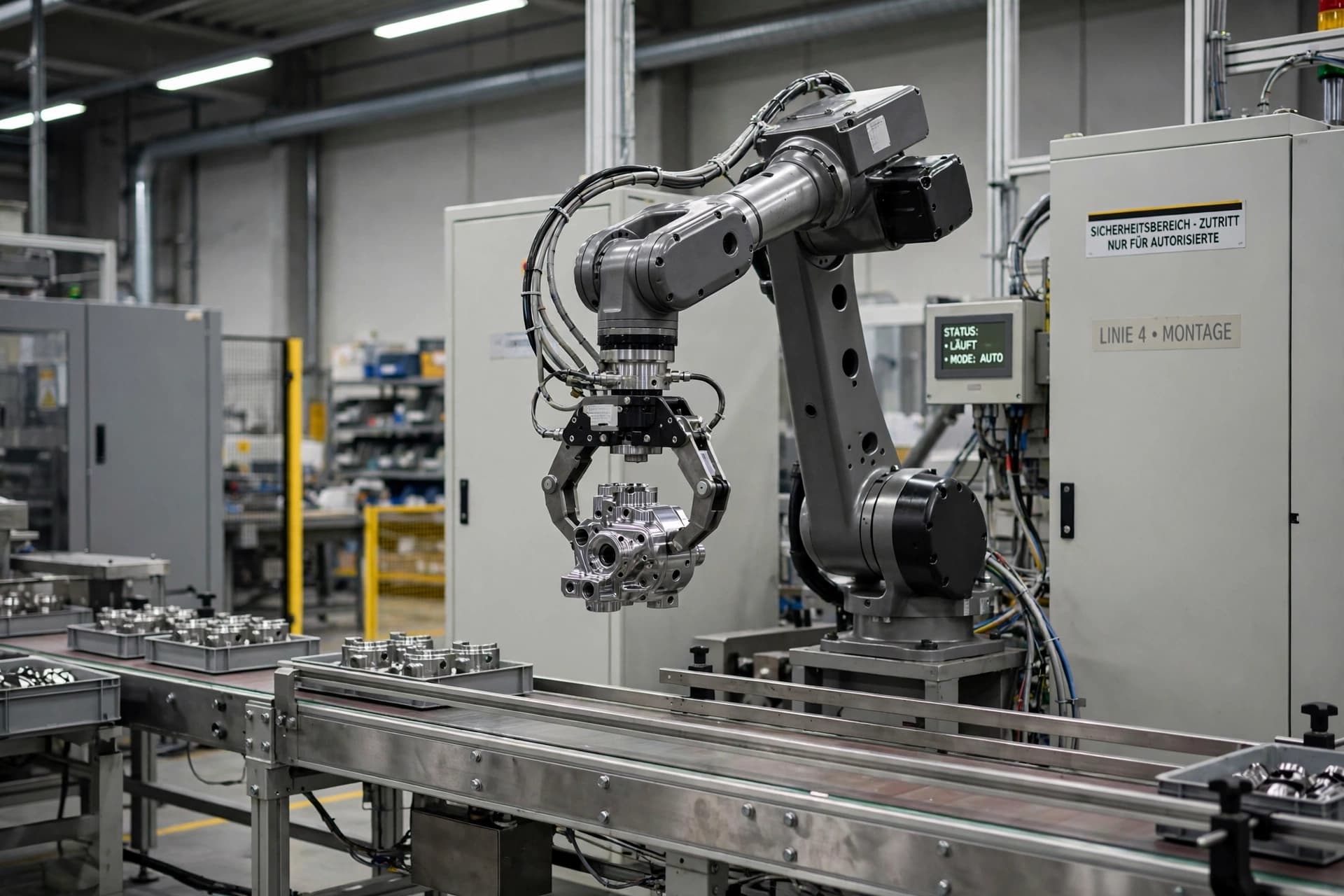
AI Image Disclaimer: The visuals provided are AI-generated illustrations of transportation infrastructure and safety technologies, intended for conceptual representation.
Sources: International Transport Forum, BBC News, Reuters, Ministry of Land, Infrastructure, Transport and Tourism (Japan), U.S. Department of Transportation
Published by Banx Network. This article is part of the Banx decentralized media programme, powered by the BXE token on the XRP Ledger.