
Key Highlights
- Initiative:The Netherlands launches a new climate adaptation program.
- Focus Areas:Key elements include flood protection, water management, and urban planning.
- Long-term Investment:Government officials emphasize the importance of early preparation for future risks.
The Netherlands has long been a leader in understanding the intricate relationship between land, water, and human ingenuity. With a history of innovative engineering and environmental management, the country is now embarking on a new climate adaptation initiative aimed at fortifying its infrastructure against future environmental challenges. This initiative is not just about resisting the forces of nature; it is about adapting to them in a sustainable and forward-thinking manner.
At the heart of this initiative are critical components such as flood protection, water management, transportation resilience, and urban planning. These elements are designed to ensure that communities can thrive even as climate conditions evolve. Unlike mitigation strategies that focus on reducing environmental impacts, adaptation strategies prioritize preparing for the changes that are already underway. This dual approach is increasingly recognized as essential for effective climate action.
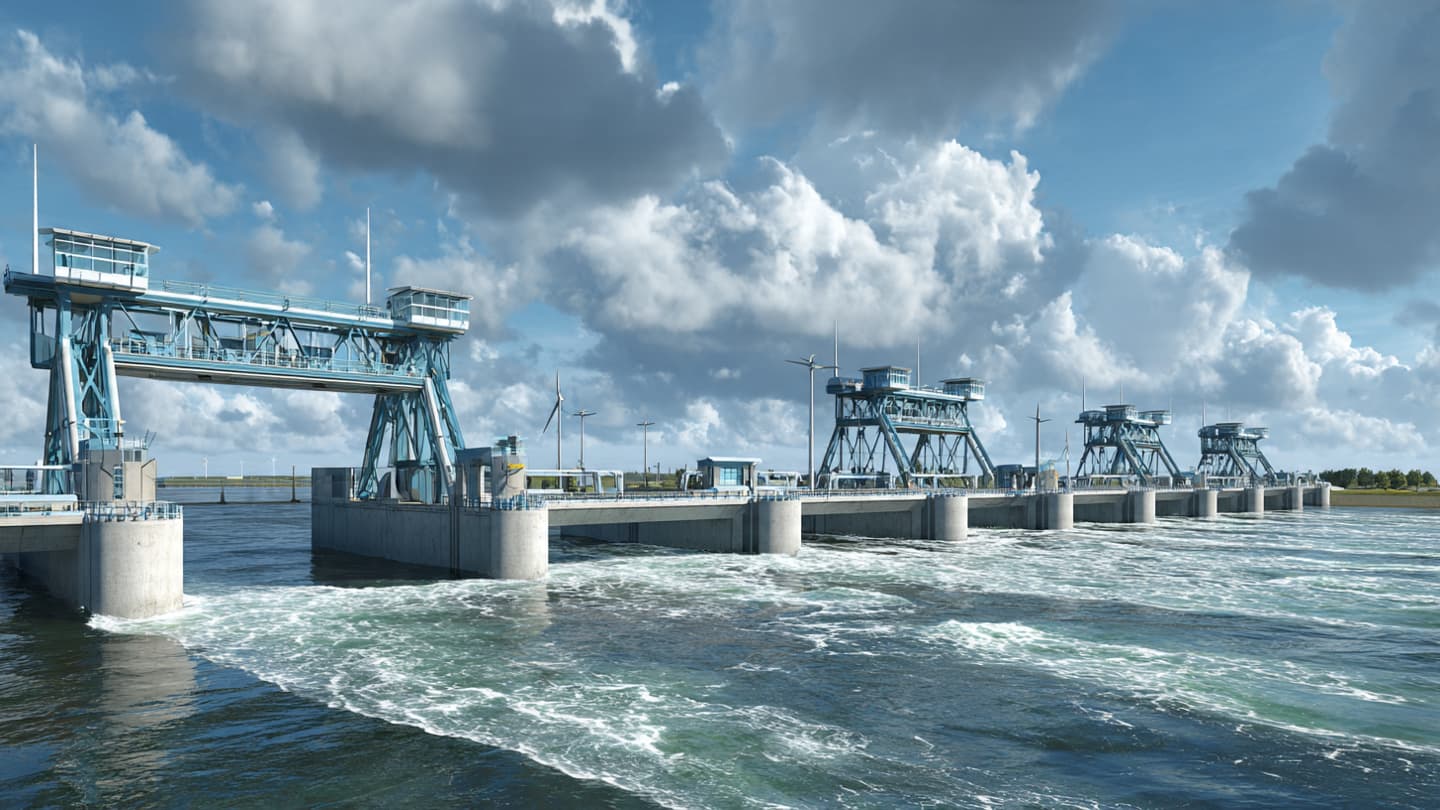
The Netherlands has established itself as a global expert in water management, boasting an extensive network of dikes, barriers, canals, and other engineering solutions that protect communities while facilitating economic activity. The new climate adaptation initiative builds on this legacy, aiming to enhance the country's resilience to climate-related risks.
Government officials have characterized this effort as a long-term investment in national resilience. Infrastructure projects often require extensive planning and implementation timelines, making it crucial to start preparations early. By investing in robust infrastructure now, the Netherlands aims to mitigate the risks posed by future environmental changes, ensuring that communities remain safe and economically stable.
Businesses are also expected to benefit from the improved resilience that this initiative promises. Reliable transportation networks, secure industrial facilities, and effective water management systems are vital for maintaining economic stability and minimizing disruption risks. As the initiative progresses, it is anticipated that these enhancements will support a more resilient economy.
Technology and innovation will play pivotal roles in the success of this initiative. Advanced monitoring systems, predictive modeling tools, and cutting-edge engineering solutions are set to guide planning and operational decisions throughout the program. By leveraging technology, the Netherlands aims to create a more adaptive and responsive infrastructure capable of meeting future challenges head-on.
International observers are closely monitoring the Dutch approach to climate adaptation, as many countries face similar environmental challenges. The strategies developed in the Netherlands may serve as valuable models for other nations seeking to bolster their resilience while continuing to pursue economic development.
Moreover, this initiative presents opportunities for collaboration among various stakeholders, including governments, researchers, engineering firms, and environmental organizations. Such partnerships are crucial for sharing knowledge and best practices, ultimately enhancing the effectiveness of climate adaptation efforts.
As the planning for this initiative unfolds, the Netherlands exemplifies how long-term thinking can shape national strategy. The project embodies a fundamental principle: investing in preparation today is one of the most valuable actions a society can take for a sustainable tomorrow.
Published by Banx Network. This article is part of the Banx decentralized media programme, powered by the BXE token on the XRP Ledger.



