
Key Highlights
- France emphasizes sustainable urban development initiatives.
- Urban challenges include infrastructure, housing, and environmental sustainability.
- Technology plays a crucial role in modern urban planning.
France has long been a proponent of innovative urban development, recognizing that cities are not just physical spaces but vibrant ecosystems that foster culture, commerce, and community. As urban populations swell, the challenges associated with infrastructure, housing, transportation, and environmental sustainability have become increasingly pressing. In response, France has expressed strong support for international initiatives aimed at promoting sustainable urban development, emphasizing the need for collaborative efforts among cities worldwide.
Sustainable urban development transcends mere construction; it encompasses the creation of communities that harmonize economic growth with environmental stewardship and quality of life. Achieving this delicate balance necessitates long-term planning and strategic investments. France's commitment to sharing knowledge and best practices among cities reflects an understanding that urban challenges often cross borders, allowing for a rich exchange of ideas and solutions.
Infrastructure is a cornerstone of effective urban development strategies. Efficient transportation networks, resilient public services, and sustainable energy systems are vital for the functionality and competitiveness of modern cities. Investments in these areas not only bolster economic activity but also align with environmental objectives, creating a more sustainable urban landscape.
Housing accessibility is another critical aspect of urban discourse. As populations continue to grow, ensuring that residents have access to safe and affordable housing becomes paramount. Sustainable urban planning seeks to address these pressing needs while fostering community cohesion, ensuring that growth does not come at the expense of social stability.
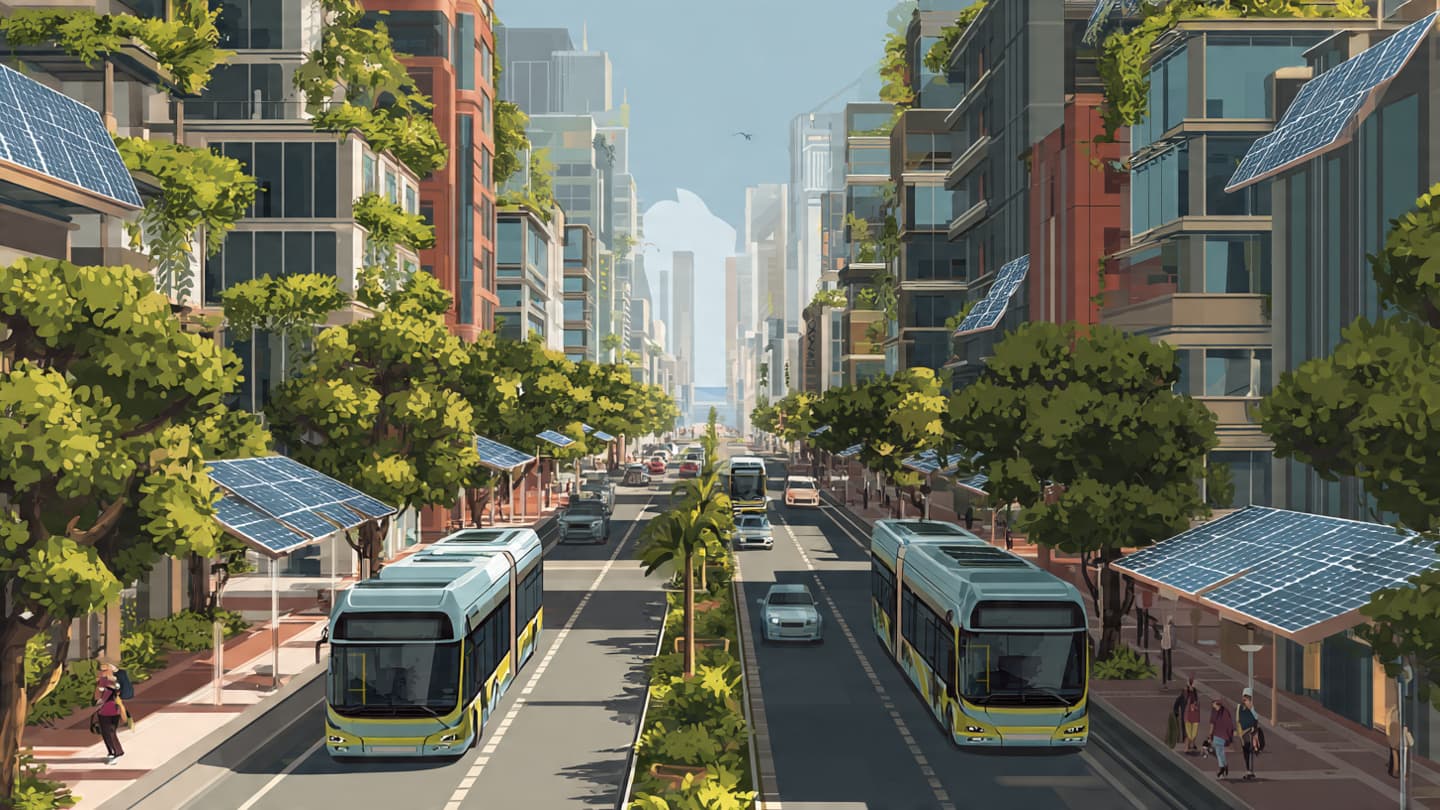
Environmental considerations are increasingly shaping urban policy. The integration of green spaces, energy-efficient buildings, and climate resilience measures is becoming standard in development initiatives. These strategies aim to mitigate environmental impacts while enhancing the overall livability of urban areas, making them more attractive to residents and businesses alike.
Technology is revolutionizing the way cities are designed and managed. Smart infrastructure, digital services, and advanced data systems are being leveraged to improve efficiency and facilitate informed decision-making. Cities across the globe are exploring innovative methods to incorporate these technological advancements into their development plans, ensuring they remain competitive and responsive to the needs of their inhabitants.
France's support for sustainable urban development aligns with broader international efforts to promote resilience, inclusivity, and environmental stewardship. Organizations involved in urban planning increasingly emphasize these principles as guiding tenets for future projects. Experts suggest that successful cities often blend visionary thinking with adaptability, recognizing that urban environments must evolve over time to meet changing needs and circumstances.
As France champions expanded urban development initiatives, the focus remains on creating communities that can thrive in the decades to come. Cities are more than just collections of buildings and roads; they are dynamic spaces where people live, work, and build their futures. Sustainable development aims to ensure that these futures are not only prosperous but also resilient, capable of withstanding the challenges of tomorrow.
Published by Banx Network. This article is part of the Banx decentralized media programme, powered by the BXE token on the XRP Ledger.



