In the quiet halls of research institutions, a new generation of planetary scientists is learning that discovery is only half the journey. The other half is sharing that wonder with the world. Recognizing the importance of public trust and engagement, training programs are now helping budding scientists hone their communication skills, transforming complex data into compelling stories that resonate with diverse audiences.
These initiatives, often supported by organizations like the Lunar and Planetary Institute and various universities, focus on more than just presentation techniques. They emphasize empathy, active listening, and the ability to connect scientific concepts to everyday experiences. Through workshops and interactive sessions, young researchers practice explaining topics like Mars exploration or asteroid mining in ways that are accessible and engaging, without sacrificing accuracy.
The shift toward public engagement reflects a broader change in scientific culture. No longer is research confined to academic journals; it is expected to contribute to public discourse and inspire future generations. By learning to communicate effectively, scientists can bridge the gap between specialized knowledge and public understanding, fostering a society that values evidence and curiosity.
Role-playing exercises and feedback from non-scientists are key components of these training programs. Participants learn to anticipate questions, address misconceptions, and tailor their message to different age groups and backgrounds. This practical experience builds confidence, allowing scientists to step out of the lab and into classrooms, community centers, and media platforms with ease.
The benefits of these skills extend beyond outreach. Effective communication enhances collaboration among researchers, improves grant writing, and facilitates interdisciplinary work. It encourages scientists to think critically about the societal implications of their research, ensuring that their work remains relevant and responsible. In this way, public engagement becomes an integral part of the scientific process itself.
Mentorship plays a crucial role in this development. Experienced communicators guide early-career scientists, sharing strategies and offering support. This intergenerational exchange ensures that best practices are preserved and adapted to new contexts. It creates a community of scientists who are not only experts in their fields but also ambassadors for science.
As planetary science continues to capture the public imagination, the need for skilled communicators grows. Missions to the Moon, Mars, and beyond offer exciting opportunities for engagement, but they also require clear and honest dialogue about risks, costs, and benefits. Scientists who can navigate these conversations help build sustained support for exploration and discovery.
Ultimately, honing public engagement skills is an investment in the future of science. It empowers researchers to share their passion, inspire curiosity, and build connections that transcend the laboratory. By learning to speak the language of the public, planetary scientists ensure that their discoveries are not just recorded but celebrated.
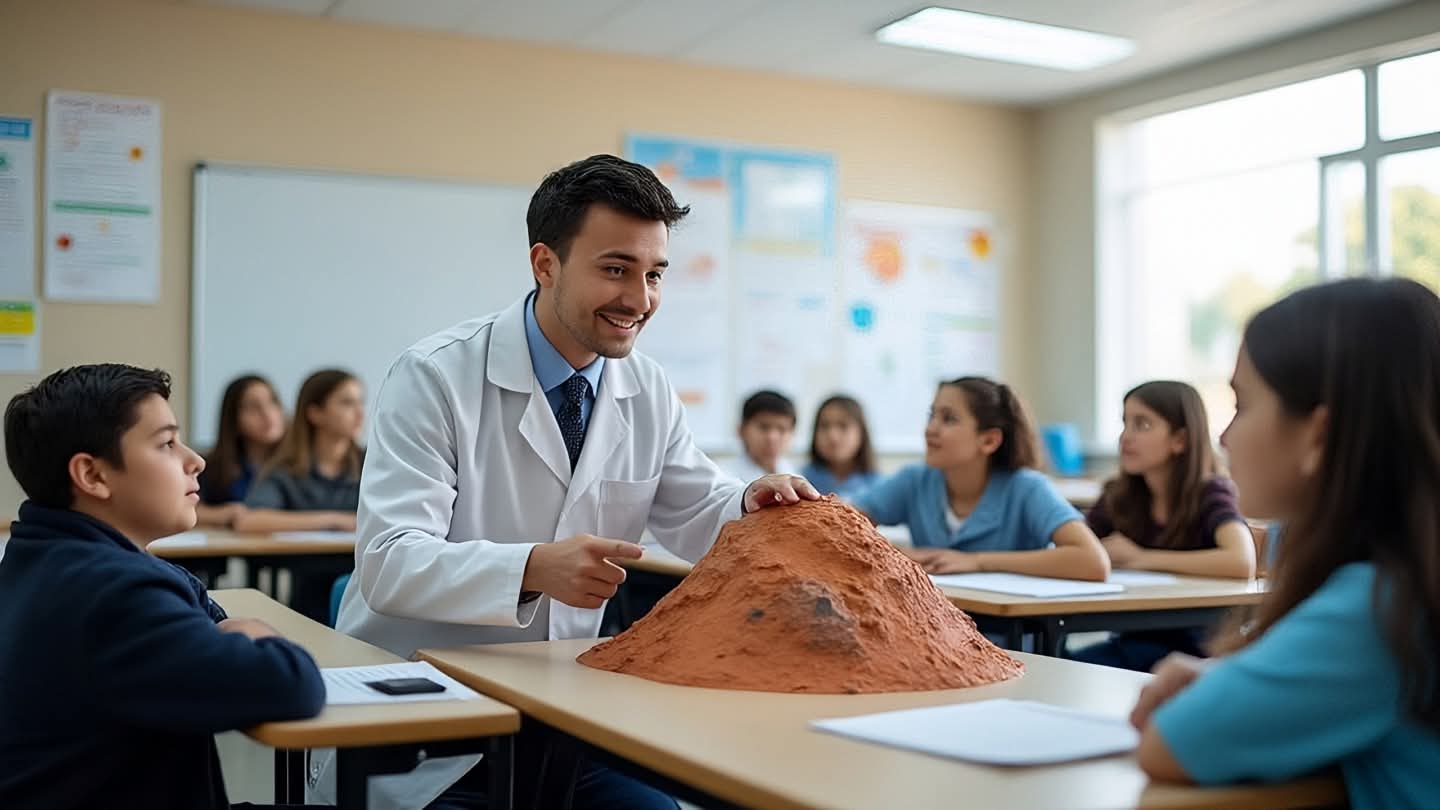
AI Image Disclaimer: Visuals in this article are AI-generated illustrations of scientists interacting with the public and educational settings, designed to highlight the theme of communication.
Sources: Lunar and Planetary Institute, AAAS, JCOM, InformalScience.org
Published by Banx Network. This article is part of the Banx decentralized media programme, powered by the BXE token on the XRP Ledger.