
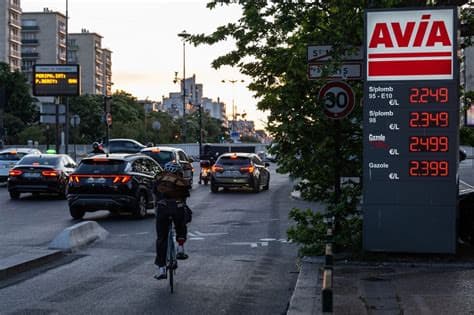
Key Highlights
- EU Proposal:The European Commission is considering allowing fossil fuel companies to exceed pollution limits.
- Energy Crisis:Rising energy prices and geopolitical tensions are driving this reconsideration.
- Environmental Concerns:Critics warn that relaxing pollution regulations could hinder climate change efforts.
The European Commission is currently deliberating a significant shift in its approach to pollution regulations, potentially allowing fossil fuel companies to exceed existing EU pollution limits. This reconsideration arises amid escalating energy prices and geopolitical tensions, particularly due to the ongoing conflict in Eastern Europe, which has disrupted energy exports and heightened the urgency for member states to secure stable energy supplies.
The proposals being discussed aim to address immediate energy demands as the EU grapples with a crisis that has led to increased reliance on fossil fuels. Proponents of the measures argue that relaxing pollution limits is a necessary compromise to ensure energy security and economic stability during this turbulent period. They emphasize that the current energy crisis has forced countries to turn to fossil fuels as alternatives to dwindling natural gas and oil supplies, making it imperative to adapt regulations accordingly.
However, this potential shift has sparked significant backlash from environmental advocates and climate activists. Critics argue that permitting fossil fuel companies to emit above current limits would undermine years of progress in combating climate change and reducing greenhouse gas emissions. They express concerns that such a policy could contradict the EU's long-term climate commitments, including its ambitious target to achieve net-zero emissions by 2050. The fear is that relaxing these regulations could set a dangerous precedent, allowing short-term energy needs to overshadow the critical importance of sustainable environmental practices.
The ongoing discussions within the EU reflect a broader tension between immediate energy needs and the commitment to long-term sustainability. Policymakers are being urged to carefully consider the potential long-term effects of any decisions made in this context. The challenge lies in balancing the urgency of the current energy situation with the necessity of maintaining environmental integrity and adhering to climate goals.
As deliberations continue, the outcome remains uncertain, with substantial implications for both the energy sector and environmental policies across Europe. Stakeholders from various sectors, including energy companies, environmental organizations, and government officials, are closely monitoring the situation. Public opinion is also increasingly weighing in on the choices being made in Brussels, highlighting the importance of transparency and accountability in the decision-making process.
The coming weeks will be critical in shaping the EU's approach to energy and environmental regulation moving forward. As the Commission navigates these complex issues, the decisions made will not only impact the immediate energy landscape but also set the tone for the EU's commitment to climate action in the years to come.
Published by Banx Network. This article is part of the Banx decentralized media programme, powered by the BXE token on the XRP Ledger.



