In the heartland of America, where the bond between farmers and political leaders has often been strong, a new tension is emerging. President Donald Trump’s recent decision to allow tariff-free imports of ground beef from countries like Brazil and Argentina has sparked concern among U.S. cattle ranchers. While the administration argues this move will lower prices for consumers, many producers feel it undermines their livelihoods and contradicts previous promises of protectionism.
The plan involves importing up to 300,000 metric tons of beef, with the expectation that it will be sold at discounted rates to help combat high food inflation. For consumers struggling with grocery bills, this may offer relief. However, for ranchers who have faced their own economic pressures, including drought and rising feed costs, the influx of foreign competition feels like a betrayal. They argue that it depresses domestic prices and threatens the sustainability of American agriculture.
Organizations such as the Ranchers Cattlemen Action Legal Fund and other industry groups have voiced sharp criticism. They urge the administration to prioritize domestic production and enforce stricter country-of-origin labeling. The sentiment is not just about economics but about identity and pride in American-made products. Many ranchers supported Trump precisely because of his "America First" rhetoric, making this policy shift particularly disheartening for them.
The administration defends the decision as a necessary step to address affordability, a key concern for voters across the political spectrum. Officials argue that increasing supply will help stabilize markets and provide immediate benefits to households. They emphasize that the imports are temporary and targeted, aiming to balance the needs of producers with the realities of consumer demand in a high-inflation environment.
This divergence highlights the complex balancing act of governance. Policies that benefit one group can inadvertently harm another, creating friction within traditional support bases. For ranchers, the issue is personal and profound, affecting their ability to plan for the future and maintain their operations. The uncertainty generated by the policy change adds to the stress already present in the agricultural sector.
Dialogue between industry leaders and government officials continues, with hopes of finding a compromise that supports both affordability and domestic production. Some proposals include increased subsidies or technical assistance for ranchers to offset potential losses. The outcome of these discussions will shape the relationship between the agricultural community and the federal government in the coming years.
As the debate unfolds, it serves as a reminder of the diverse interests within the nation. Loyalty in politics is often conditional, based on perceived alignment with core values and economic interests. For many ranchers, the current situation is a test of whether their concerns are truly heard and valued in the halls of power. The resolution will have lasting implications for the American beef industry and its political alliances.
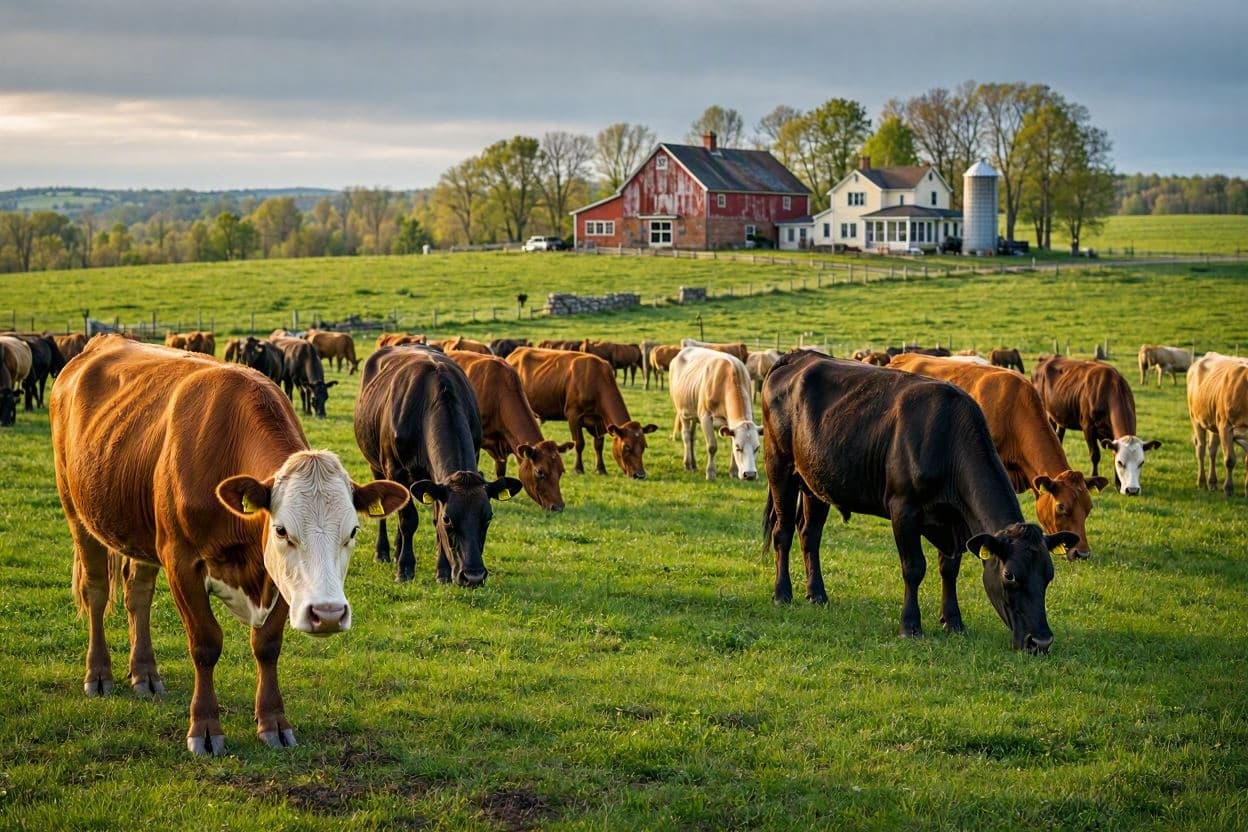
AI Image Disclaimer: The images used in this report are AI-generated visuals created to illustrate the themes of agriculture and policy debate.
Sources: Capital Press, Forbes, The Hill
Published by Banx Network. This article is part of the Banx decentralized media programme, powered by the BXE token on the XRP Ledger.