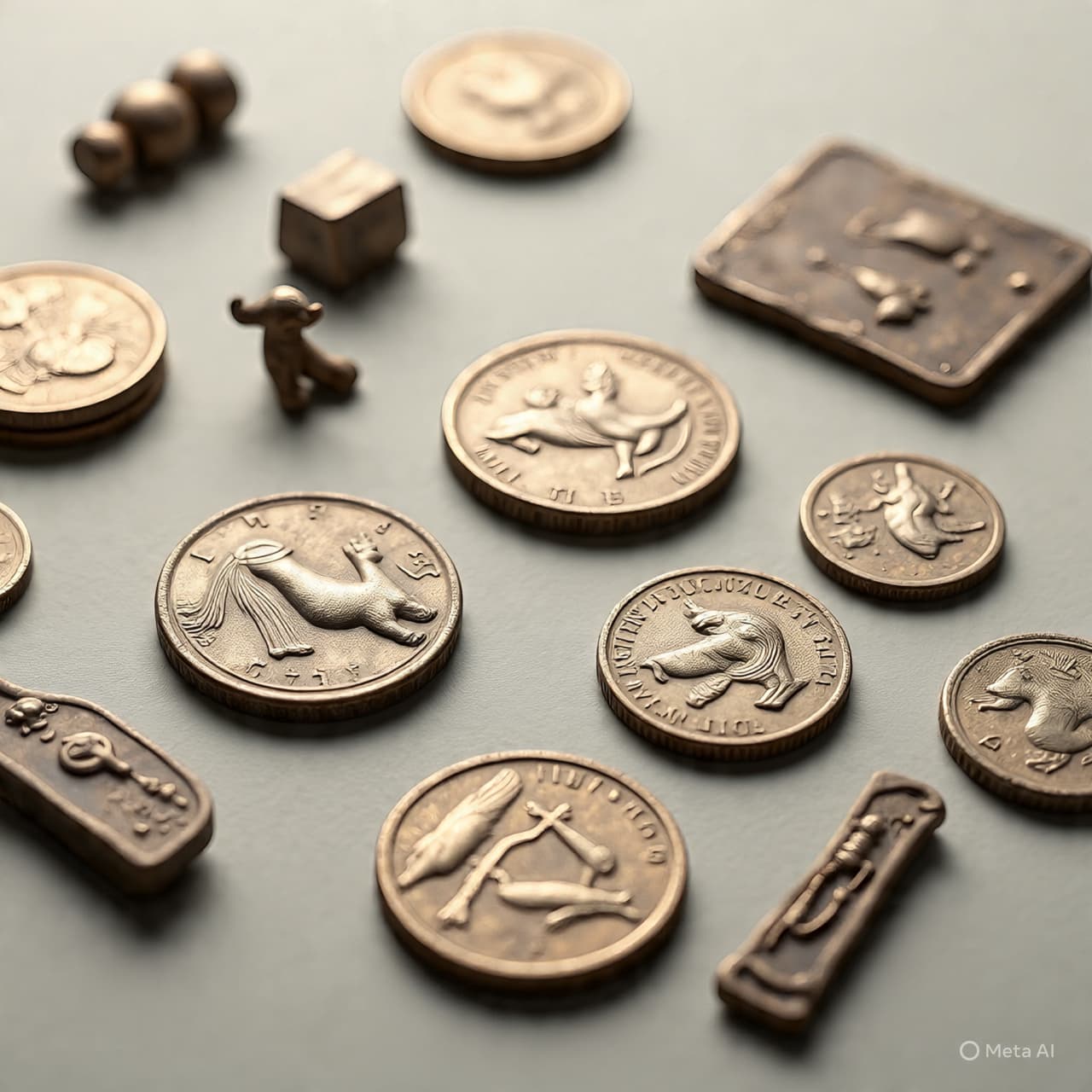
In the quiet sweep of cultivated fields and rolling countryside, centuries of hidden history often lie waiting — the detritus of forgotten lives, unbidden until soil and chance reveal them. Over the past year, a wave of such revelations has spread across England, as the latest figures from the Portable Antiquities Scheme (PAS) and the British Museum reveal where treasure finds have flourished most.
The year 2024 was a record-breaking one for archaeological finds reported by members of the public, with 79,616 individual objects logged, and 1,540 treasure cases recorded across England, Wales and Northern Ireland — the highest total ever. Much of this activity reflects the growing role of metal detectorists and enthusiastic members of the public in uncovering items that enrich the nation’s history.
Among English counties, Norfolk led the way in treasure finds, with 138 reported cases in 2024, more than any other county. It was followed by Hampshire (110) and North Yorkshire (109) — figures that not only reflect richness in buried artefacts but also local landscapes and detectorist communities known for active searching.
The same data shows that in sheer volume of PAS finds — ceremonial items, coins, tools and objects of everyday use recorded by local finds liaison officers — Norfolk also topped the list, with more than 7,120 finds recorded. Other counties with high overall finds included Suffolk, Lincolnshire and Gloucestershire, all rural areas where agricultural land makes archaeological material especially visible to those searching for the past.
Among the highlights of recent years have been some truly remarkable discoveries — from a hoard of 179 silver pennies likely buried on the eve of the Battle of Hastings in 1066, offering insight into the tumultuous final year of Anglo-Saxon England, to rare Roman copper-alloy fittings and early medieval objects that help fill gaps in the long sweep of British history.
The Treasure Act 1996 ensures that significant finds — precious metal objects over 300 years old and meeting specific criteria — are reported and protected, often entering museum collections rather than private hands. This framework, supported by the PAS, has helped turn what once were solitary chance discoveries into shared parts of England’s cultural heritage.
From Norfolk’s fields to the rolling farmland of southern and northern counties, each treasure case adds a chapter to an unfolding story — of trade and war, of empire and everyday life, of hands long stilled that once shaped the world above them.
AI Image Disclaimer “Visuals are created with AI tools and are not real photographs.”
Sources British Museum PAS Annual Report (2024) The Independent Yahoo News UK AOL News UK The Guardian
Published by Banx Network. This article is part of the Banx decentralized media programme, powered by the BXE token on the XRP Ledger.