In the midst of conflict, humanitarian aid serves as a lifeline, a beacon of hope for those struggling to survive. In Gaza, however, this lifeline has been frayed by allegations that Hamas militants stormed a food depot, disrupting the distribution of essential supplies. The United Nations has reported this incident, highlighting the complex challenges of delivering aid in a war zone where multiple actors compete for resources. This event is not just a logistical setback but a moral dilemma, inviting reflection on the protection of civilians and the integrity of humanitarian operations.
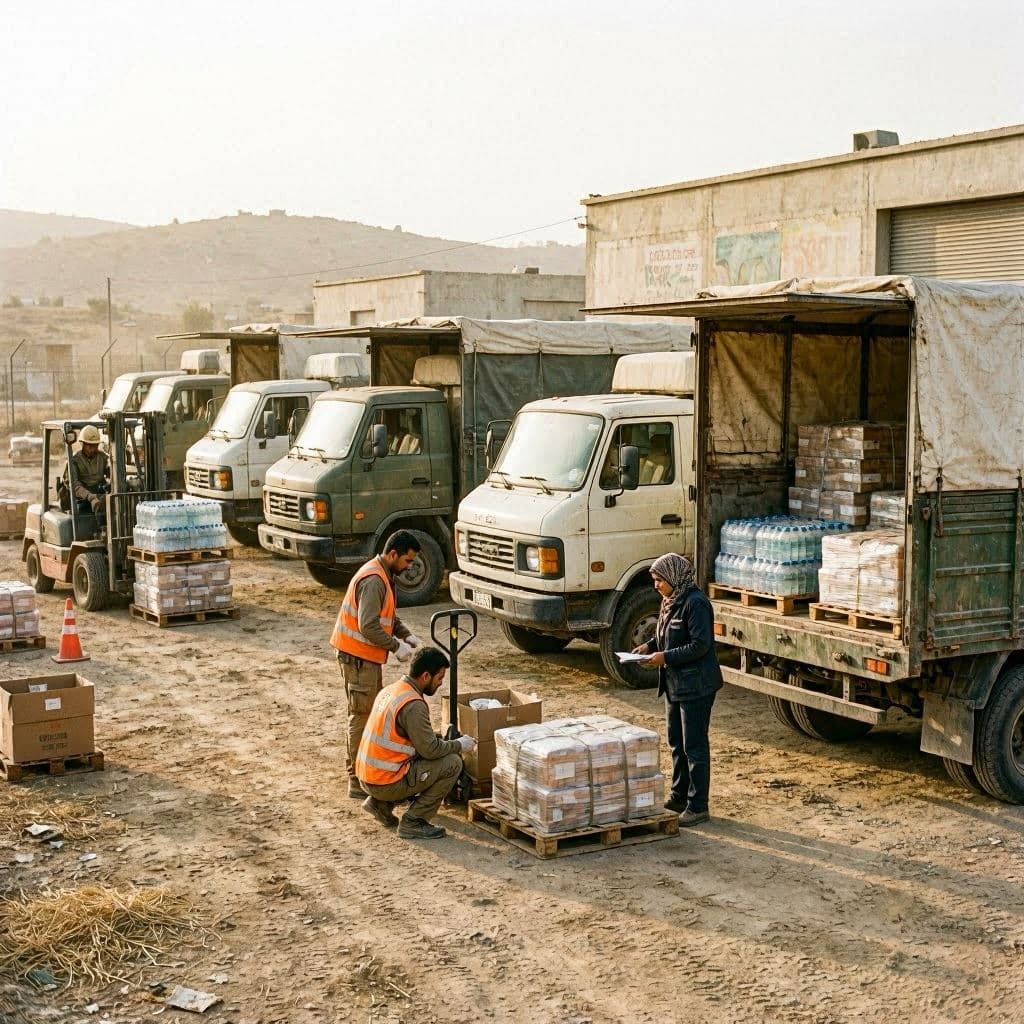
Body: The incident occurred at a major distribution center managed by international aid organizations. According to UN reports, armed individuals associated with Hamas entered the facility, seizing stocks of food and medical supplies intended for the general population. This action has halted deliveries to thousands of families who rely on these provisions for their daily survival. The chaos created by the storming has made it difficult for aid workers to assess the full extent of the loss.
For the people of Gaza, already facing severe shortages and hardship, this disruption is devastating. Families who had been waiting in line for hours found themselves empty-handed, adding to the despair and uncertainty of their situation. The theft of aid undermines trust in the distribution system and exacerbates tensions within communities. It is a stark reminder of how conflict erodes the social fabric and basic norms of decency.
The United Nations has condemned the action, emphasizing that humanitarian aid must remain impartial and accessible to all in need. Aid organizations are calling for secure corridors and guaranteed safety for their staff and supplies. Without these assurances, the ability to deliver life-saving assistance is severely compromised. The situation highlights the delicate balance between negotiating access and maintaining neutrality in contested areas.
Hamas has denied responsibility for the storming, attributing the chaos to looting by desperate civilians or other factions. However, eyewitness accounts and video footage suggest organized involvement. This discrepancy in narratives complicates efforts to hold perpetrators accountable and restore order. It underscores the difficulty of verifying facts in the fog of war, where information is often weaponized.
International donors and partner agencies are reviewing their operations in light of the incident. Some have paused deliveries until security guarantees are provided, further delaying aid to those in need. This pause, while necessary for staff safety, has immediate negative consequences for vulnerable populations. It creates a catch-22 where safety measures inadvertently harm those they are meant to protect.
The broader implication is the erosion of humanitarian principles. When aid is diverted or stolen, it fuels resentment and instability. Protecting aid convoys and depots requires cooperation from all parties involved in the conflict. Without this cooperation, the humanitarian space shrinks, leaving civilians with fewer options for survival.
Efforts are underway to restart distributions through alternative channels and with enhanced security measures. Aid workers continue to operate under dangerous conditions, driven by a commitment to alleviate suffering. Their resilience is a testament to the enduring power of compassion in the face of adversity.
Closing: In the end, the storming of the Gaza food depot is a tragic example of how conflict disrupts the most basic human needs. It calls for renewed commitment to protecting humanitarian aid and ensuring it reaches those who need it most. As the situation unfolds, the hope is that security and cooperation can be restored, allowing aid to flow freely again.
AI Image Disclaimer: The visual representations associated with this article are AI-generated artistic interpretations designed to illustrate the themes of humanitarian crisis and aid distribution.
Sources: United Nations Office for the Coordination of Humanitarian Affairs (OCHA) BBC News Al Jazeera
Published by Banx Network. This article is part of the Banx decentralized media programme, powered by the BXE token on the XRP Ledger.