
Key Highlights
- ICC Prosecutor Karim Khan revealed UK funding threat.
- British official warned against arrest warrants for Netanyahu.
- Khan faced pressure from US officials regarding the warrants.
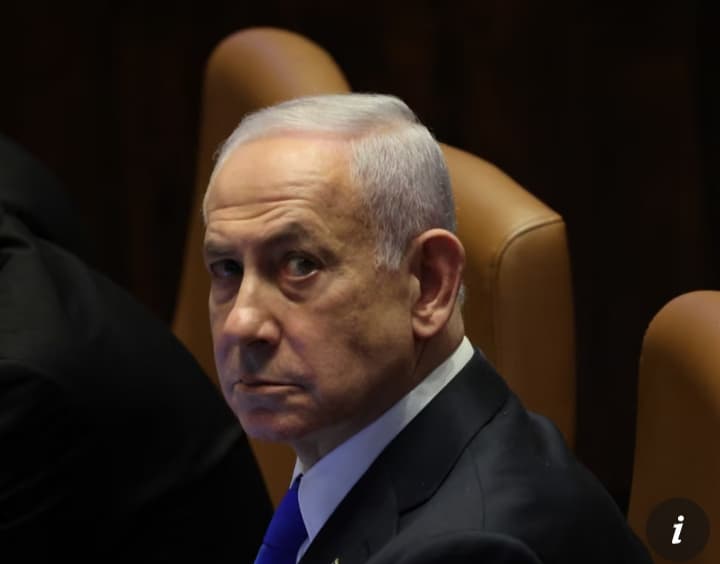
On April 23, 2024, ICC Prosecutor Karim Khan disclosed that he received a warning from a British official regarding potential funding cuts to the International Criminal Court (ICC). This warning came in response to the ICC's consideration of issuing arrest warrants for Israeli Prime Minister Benjamin Netanyahu and former Defense Minister Yoav Gallant. The official described the issuance of such warrants as 'disproportionate,' highlighting the delicate balance of international relations at play.
While Khan did not name the official, speculation has arisen that it was then-Foreign Secretary David Cameron. This revelation adds a layer of complexity to the ongoing discussions surrounding the ICC's role in addressing alleged war crimes in the Israeli-Palestinian conflict, particularly in light of the events that have unfolded since October 2023.
In addition to the UK's stance, Khan noted that he was also under pressure from American officials. He recalled a conversation where he was cautioned that pursuing the warrants could lead to 'disastrous consequences.' Notably, Senator Lindsey Graham warned that such actions could incite violence from Hamas, the Palestinian resistance movement, further complicating an already volatile situation.
Despite these external pressures, Khan remained resolute in his commitment to legal obligations. He emphasized that there was no indication that Israel would cooperate with the ICC or alter its actions in Gaza, where serious allegations of war crimes have been raised. His determination to pursue these charges reflects the ICC's mandate to uphold international law, even in the face of significant political pressure.
Khan also addressed recent allegations of 'sexual misconduct' that surfaced against him, asserting that these claims emerged only after he decided to pursue the arrest warrants. He clarified that his legal decisions were driven solely by the pursuit of justice and not influenced by external factors or threats.
This situation illustrates the intricate relationship between international law and politics, particularly in the context of the Middle East. The influence of powerful nations like the UK and the US on international legal institutions like the ICC raises questions about the independence of such bodies and their ability to operate free from political interference. As the ICC navigates these challenges, the implications for international justice and accountability remain significant.
Published by Banx Network. This article is part of the Banx decentralized media programme, powered by the BXE token on the XRP Ledger.



