Key Highlights
- Political instability in the UK is affecting financial markets.
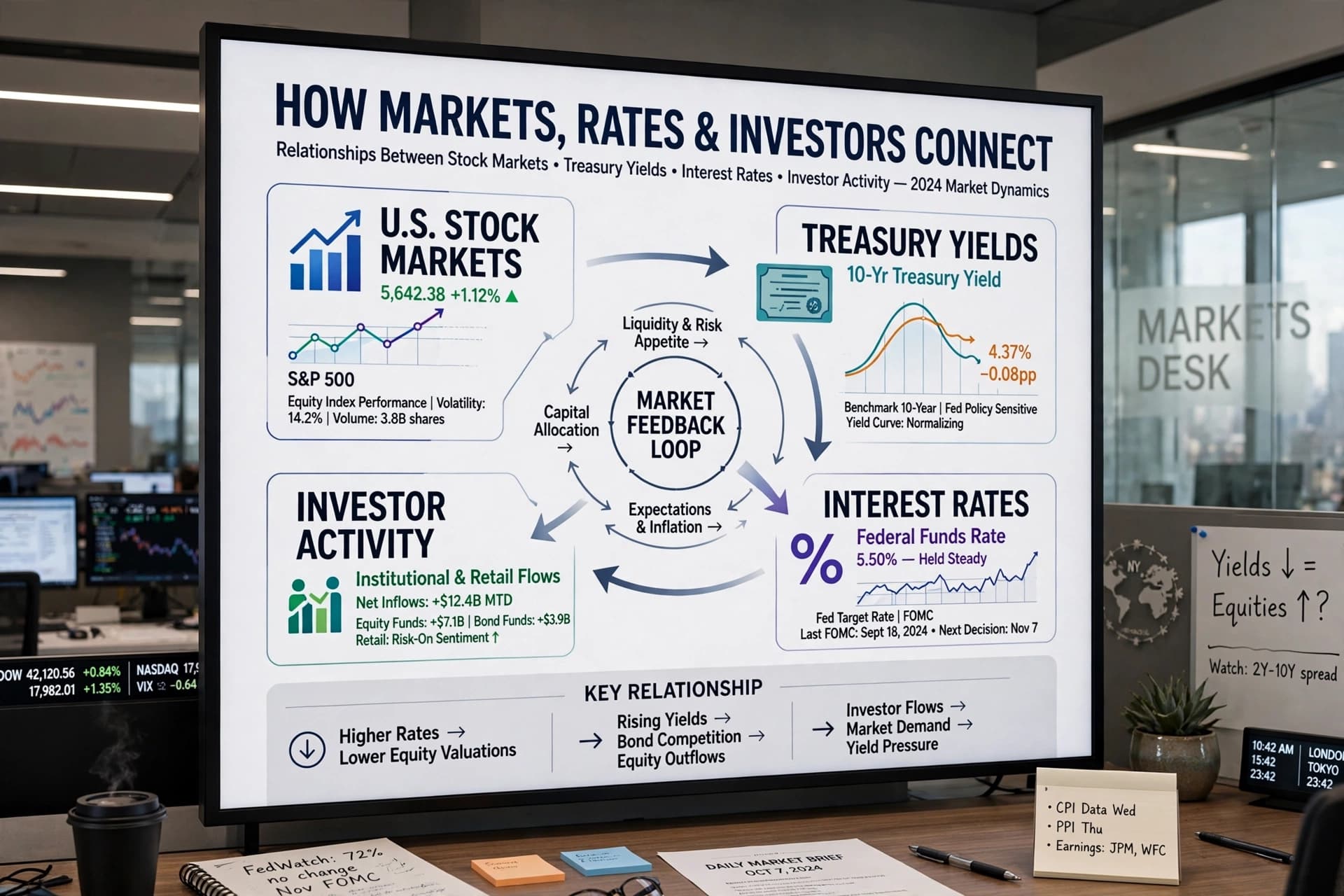
- Rising bond yields reflect market anxiety over inflation and fiscal policy.
- External pressures, including global energy prices, complicate the economic outlook.
Political uncertainty in the United Kingdom has once again cast a long shadow over financial markets, prompting concerns about the potential for deeper economic vulnerabilities. Recent developments surrounding Prime Minister Keir Starmer and internal pressures within the Labour Party have led to increased volatility in government bond yields and investor sentiment. Analysts are closely watching these dynamics, as they could have significant implications for the UK economy.
The UK’s long-term borrowing costs have surged to levels not seen in decades, a clear indication of market anxiety regarding inflation and public spending expectations. Higher gilt yields not only increase government financing costs but also have a ripple effect on mortgage rates and consumer borrowing conditions. This situation raises questions about the sustainability of economic growth in the face of rising costs.
Compounding these domestic issues are external pressures that further complicate the economic landscape. Rising global energy prices, particularly linked to tensions in the Middle East, have heightened inflation concerns across Europe, including the UK. As fuel costs continue to rise, businesses face increased transportation expenses, which can ultimately affect consumer prices and household budgets.
While financial analysts caution that political instability does not automatically lead to recession, they acknowledge that prolonged uncertainty can erode business confidence and delay investment decisions. This creates additional pressure on markets that are already sensitive to inflation and interest rate fluctuations. The Bank of England is under close scrutiny as investors speculate on whether further monetary tightening will be necessary to manage inflation effectively.
Some policymakers have expressed concerns that future interest rate decisions could pose risks for the bond market, especially given the increasing involvement of international investors in British debt markets. This situation underscores the interconnectedness of global finance and the potential for domestic political issues to have far-reaching consequences.
Despite the current climate of uncertainty, several economists maintain that the UK economy possesses structural strengths, including robust financial markets and a resilient service sector. Some investors view periods of political and market volatility as temporary disruptions rather than indicators of long-term economic decline. However, for ordinary citizens, the impact of economic uncertainty is often felt more acutely through rising mortgage payments, food prices, and job security.
As British financial markets continue to monitor political developments and economic indicators, recession concerns remain a topic of public discussion. Government officials and central bank policymakers are expected to face increasing scrutiny in the months ahead, as the interplay between politics and economics continues to shape the landscape.
Published by Banx Network. This article is part of the Banx decentralized media programme, powered by the BXE token on the XRP Ledger.