
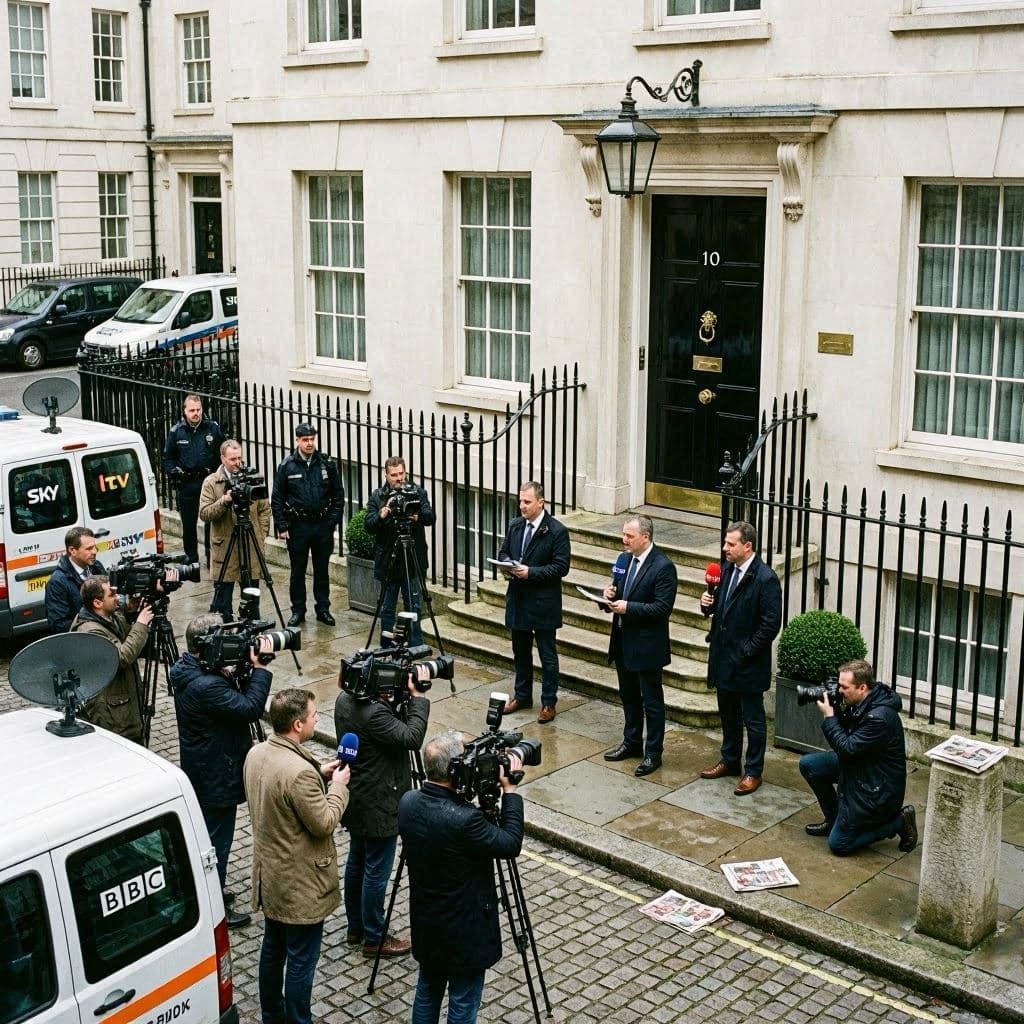
Key Highlights
- Britain is set to welcome its seventh prime minister in ten years.
- Political turnover reflects internal party dynamics and national challenges.
- The transition raises questions about long-term policy continuity.
In democratic societies, political leadership often mirrors the changing seasons, with some administrations leaving lasting impacts while others fade quickly. The United Kingdom is currently on the brink of another significant transition at the highest level of government, marking a new chapter in a decade characterized by remarkable political turnover.
As Britain prepares to welcome its seventh prime minister in just ten years, this unprecedented frequency of leadership changes highlights a period rarely seen in modern British history. Each transition has been influenced by a combination of internal party dynamics, electoral outcomes, and broader national challenges, creating a complex political landscape.
Over the past decade, the UK has faced a series of pivotal events that have shaped its political climate. The Brexit referendum, which resulted in the decision to leave the European Union, has had profound implications for the country’s governance and international relationships. Additionally, the COVID-19 pandemic has further complicated economic conditions and public service debates, adding layers of pressure on successive administrations.
Political analysts emphasize that while leadership transitions are not uncommon in parliamentary democracies, the rapid pace of change in Britain has garnered significant attention both domestically and internationally. This situation raises critical questions about the continuity of long-term policies and the ability of new leaders to implement their agendas effectively.
Supporters of leadership renewal argue that new administrations can bring fresh perspectives and adapt to evolving circumstances. However, critics caution that frequent changes in leadership may hinder the ability to plan and execute long-term policy initiatives, potentially destabilizing governance.
As the transition unfolds, financial markets and international partners are closely monitoring the situation. Stable governance and clear policy direction are essential for investors, diplomatic allies, and businesses operating in the UK. The incoming prime minister will face a myriad of challenges, including economic growth, public spending priorities, housing issues, and the complexities of post-Brexit relationships with global partners.
Political observers anticipate that this leadership change will spark renewed debates about the future direction of the country. Regardless of political affiliation, the arrival of another leader signifies a pivotal moment in Britain's ongoing democratic narrative, with implications that will resonate across various sectors of society.
As the nation braces for this new chapter, the focus will remain on how the incoming prime minister addresses the pressing issues at hand and navigates the intricate political landscape that defines contemporary Britain.
Published by Banx Network. This article is part of the Banx decentralized media programme, powered by the BXE token on the XRP Ledger.



