Construction sites can reveal the rhythm of an economy before the finished buildings appear. A crane standing still, an empty foundation or a delayed project can all become small signs of a much larger movement. Across Britain, that movement remained subdued in August as construction activity contracted for another month.
The S&P Global UK Construction PMI fell to 44.3 in August from 44.7 in July. Any reading below 50 indicates contraction, meaning the latest figure extended the sector’s decline to a twentieth consecutive month.
The weakest part of the industry was residential construction. The housing activity index fell to 37.6, marking a substantially sharper contraction than commercial construction and civil engineering. It was also the only major construction category where the pace of decline accelerated from July.
Companies surveyed by S&P Global pointed to subdued demand and fewer new projects, particularly in housebuilding. For builders, fewer new starts can create a difficult cycle: completed projects are not always replaced quickly enough by new work, leaving companies with less certainty about their future workloads.
Commercial construction performed somewhat better, although it remained below the 50 threshold. Its index stood at 47.8, representing the slowest rate of contraction since January. Civil engineering registered 40.5, also showing a less severe decline than in previous months.
There were a few quieter signs of stabilization within the data. The decline in new orders was the least pronounced since September 2025, while the pace of job losses eased. The survey also showed some continued activity in areas such as transport infrastructure, data centers and energy-related projects.
Input price pressures also became somewhat less intense. Construction input-price inflation eased to a six-month low, suggesting that suppliers were competing more aggressively for business. For companies operating in a weak demand environment, however, lower cost pressure does not necessarily translate immediately into stronger activity.
Borrowing conditions remain another consideration. Construction projects, particularly large residential developments, require substantial financing and long planning horizons. When financing becomes more expensive or clients become more cautious, projects can be delayed even when longer-term demand remains present.
The figures also show why the construction story cannot be reduced to a single number. Official data can provide a different picture from the monthly PMI survey because the two measures capture different aspects of activity. The PMI focuses heavily on business conditions and the direction of activity among surveyed firms, while official statistics measure actual output.
Still, the persistence of the downturn is difficult to overlook. Twenty consecutive months below the 50 threshold represents a prolonged period of weakness, particularly when residential construction is performing considerably worse than other segments.
Britain’s construction sector therefore enters the autumn with a mixture of limited improvement and continued pressure. Some commercial and infrastructure activity is offering support, new-order declines have moderated and cost pressures have eased. But housebuilding remains the clearest weak point, keeping the sector’s broader recovery out of sight for another month.
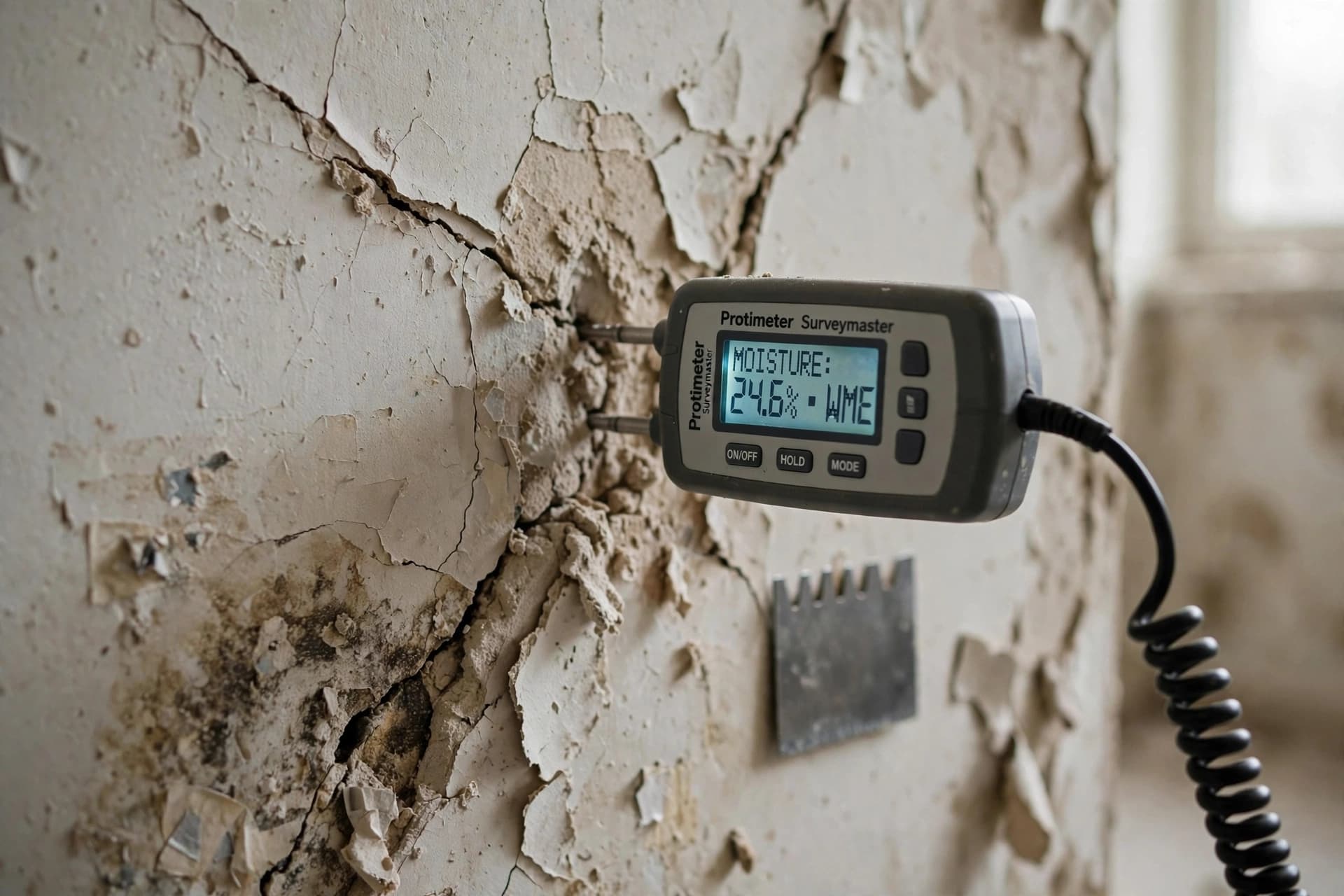
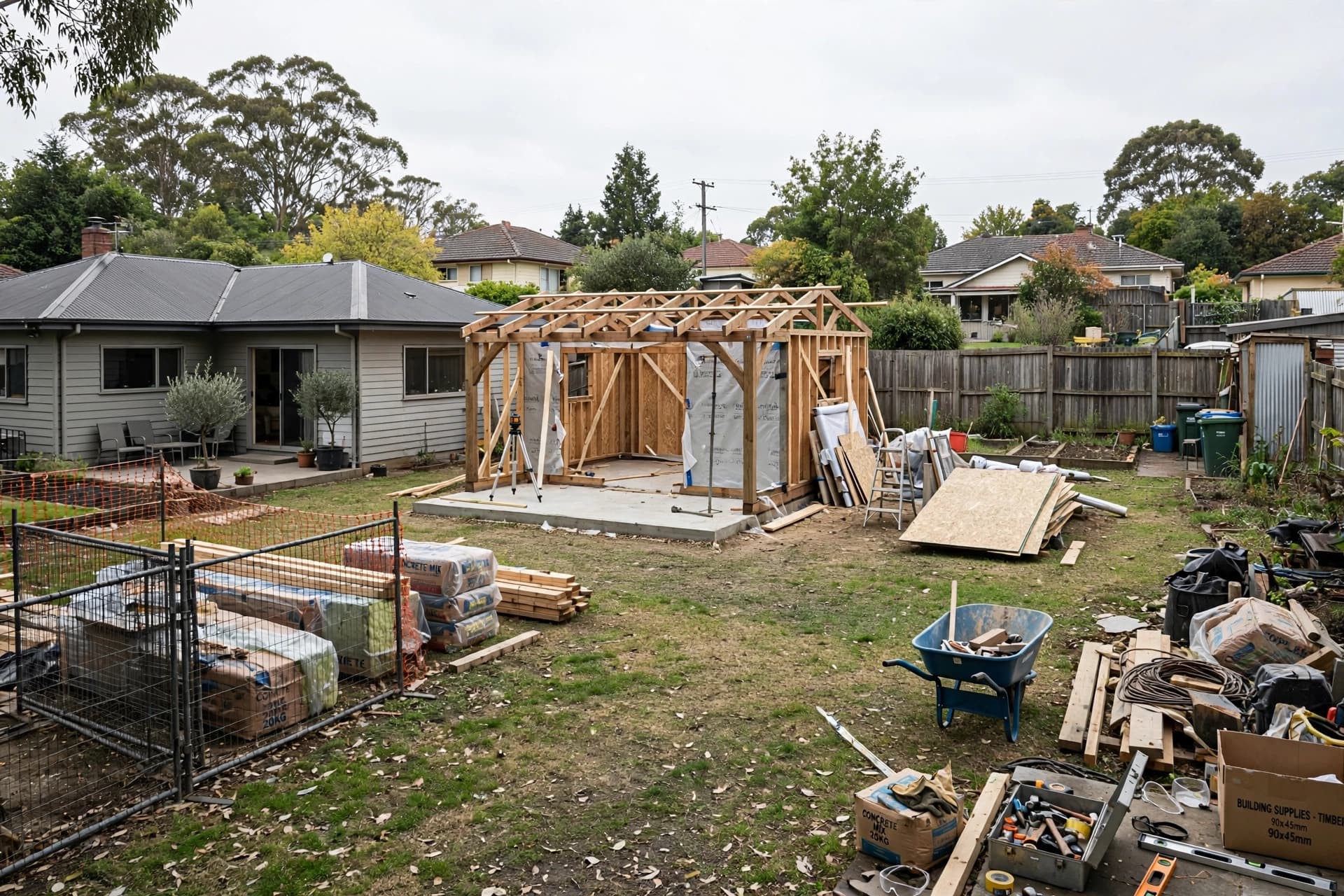
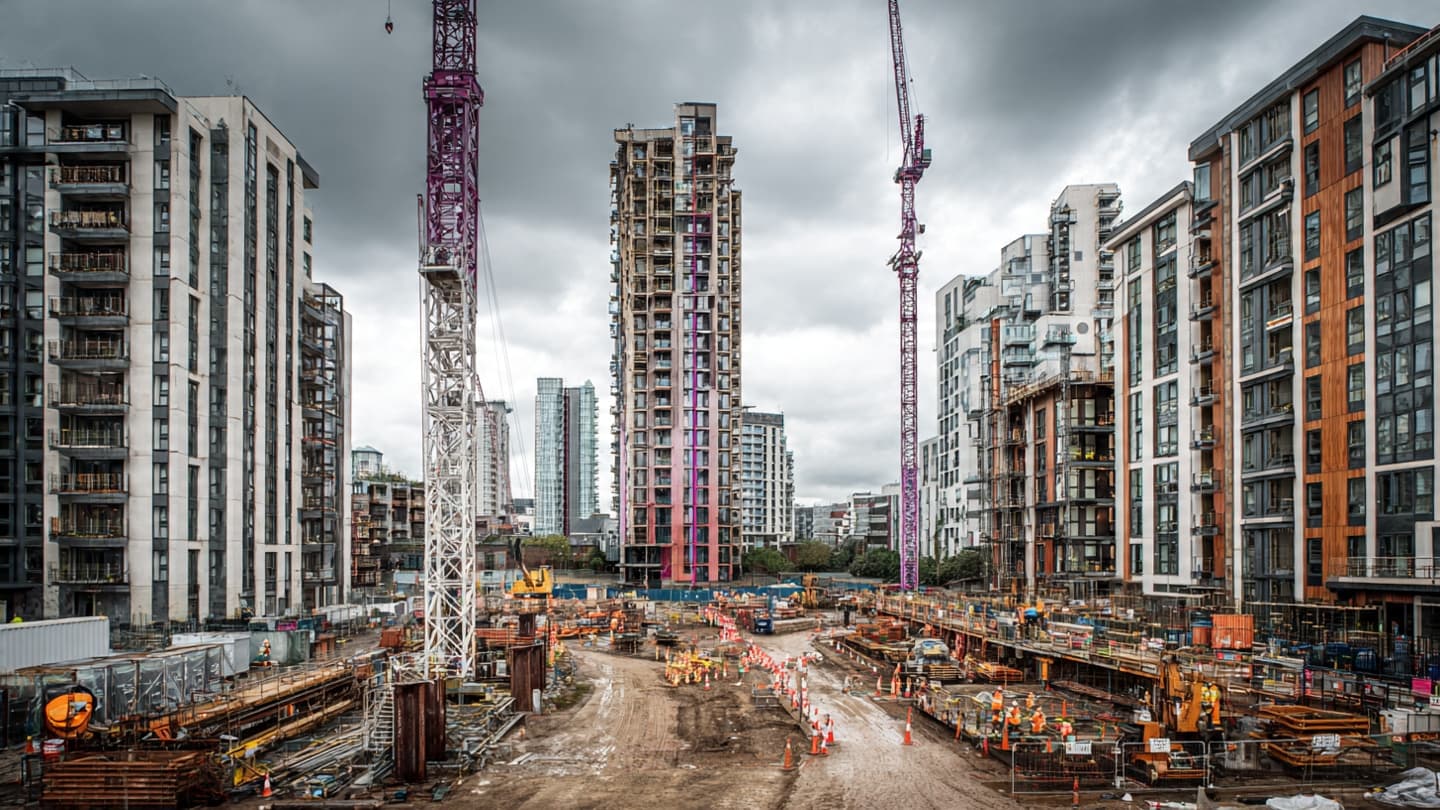
AI Image Disclaimer: This article may use an AI-generated or AI-assisted illustration to visually represent the construction market. The image is illustrative and should not be interpreted as a photograph of a specific project or event.
Sources: Reuters S&P Global ONS
Published by Banx Network. This article is part of the Banx decentralized media programme, powered by the BXE token on the XRP Ledger.