

Key Highlights
- Political Stability:The UK is grappling with the implications of frequent leadership changes.
- Economic Concerns:Stakeholders emphasize the need for continuity in policymaking.
- Public Opinion:Voter priorities are shifting towards domestic issues like healthcare and housing.
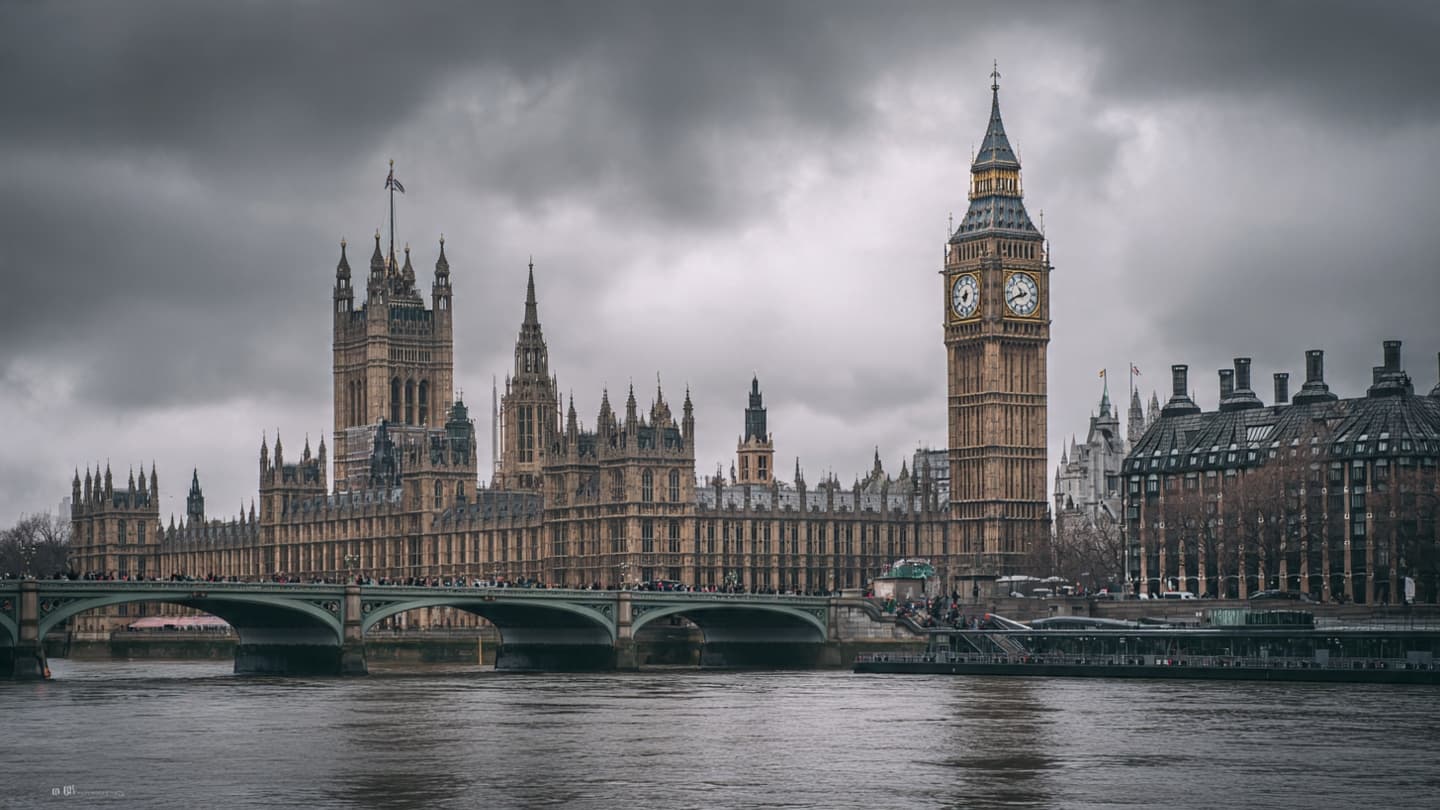
The political landscape in Britain has been likened to a river, with currents that are often hidden from view. In recent years, the country has witnessed a series of rapid leadership changes, prompting widespread reflection on the implications for political stability and governance. As the United Kingdom navigates these turbulent waters, the question of how these transitions affect public confidence and policy direction has become increasingly pertinent.
The past decade has seen a remarkable turnover in prime ministerial leadership, particularly during critical events such as Brexit, economic downturns, and global health crises. Each new leader has brought their own vision and priorities, yet the frequency of these changes raises concerns about the continuity of governance. Political analysts argue that while democratic systems are inherently designed to accommodate leadership transitions, excessive turnover can hinder long-term policymaking, especially in areas that require sustained focus and implementation.
Economic stakeholders, including businesses and investors, have voiced their concerns regarding the impact of political instability on the economy. A predictable policy environment is crucial for making informed decisions about trade, investment, and employment. The uncertainty surrounding leadership changes can lead to hesitancy among investors, ultimately affecting economic growth and job creation. As the UK grapples with these challenges, the need for a stable political climate has never been more critical.
Public opinion surveys indicate that voters are increasingly concerned about pressing domestic issues, including the cost of living, healthcare services, housing availability, and economic growth. These concerns transcend party lines and are shaping the political discourse as leaders seek to address the needs of their constituents. The electorate's focus on these issues underscores the importance of responsive governance in maintaining public trust and confidence.
Britain's international partners are closely monitoring the political developments within the UK. As a significant global economy and diplomatic player, the UK's stability is vital for international security, trade relations, and climate initiatives. The implications of leadership changes extend beyond domestic borders, influencing how the UK engages with the world and fulfills its commitments on the global stage.
Despite the challenges posed by frequent leadership transitions, political scholars assert that Britain's institutional resilience remains a key strength. The country's parliamentary traditions and established democratic processes provide a framework for stability, even in times of political upheaval. As discussions about the future of leadership in the UK continue, the focus will be on how these decisions will shape the nation's economic priorities, domestic policies, and international relationships in the years to come.
As the UK reflects on its political journey, the interplay between leadership, stability, and public confidence will remain a critical area of focus for analysts, policymakers, and voters alike. The outcomes of these reflections will undoubtedly influence the trajectory of British politics in the near future.
Published by Banx Network. This article is part of the Banx decentralized media programme, powered by the BXE token on the XRP Ledger.




