
Key Highlights
- Keir Starmer resigns as Labour leader and Prime Minister, triggering a leadership transition.
- Andy Burnham emerges as a leading contender for the Labour leadership.
- Political analysts suggest Burnham has significant backing from party lawmakers.
In a dramatic turn of events, the political landscape in the United Kingdom is poised for a significant shift following the resignation of Prime Minister Keir Starmer. His departure from the leadership of the Labour Party has set the stage for a potential new chapter in British politics, with Greater Manchester Mayor Andy Burnham emerging as a frontrunner to succeed him.
Starmer's resignation comes in the wake of mounting pressure within the Labour Party, stemming from disappointing electoral performances and internal strife regarding the party's direction. In his resignation speech, Starmer acknowledged the party's verdict and expressed his belief that it was time for new leadership. This pivotal moment has left many in the political arena speculating about the future of the Labour Party and its strategies moving forward.
Andy Burnham, who has recently returned to Parliament, is widely regarded as a strong candidate for the leadership position. His tenure as Mayor of Greater Manchester has allowed him to build a national profile, and he is seen as a figure capable of reconnecting Labour with its voter base. Reports from British media indicate that Burnham has garnered substantial support from Labour lawmakers and senior party figures, positioning him favorably in the ongoing leadership contest.
As the leadership process unfolds, political analysts are closely monitoring the dynamics within the Labour Party. The coming weeks are expected to be filled with intense negotiations as party members determine whether Burnham will face a contested leadership race or secure the position with broad internal support. The outcome of this leadership transition could have significant implications for the party's electoral strategy and its vision for the future.
Critics of the Labour Party have raised concerns that any new leadership must address broader questions surrounding the party's economic policies and overall direction. The challenges facing the party are not merely about leadership but also about how it plans to engage with voters and respond to the pressing issues of the day.
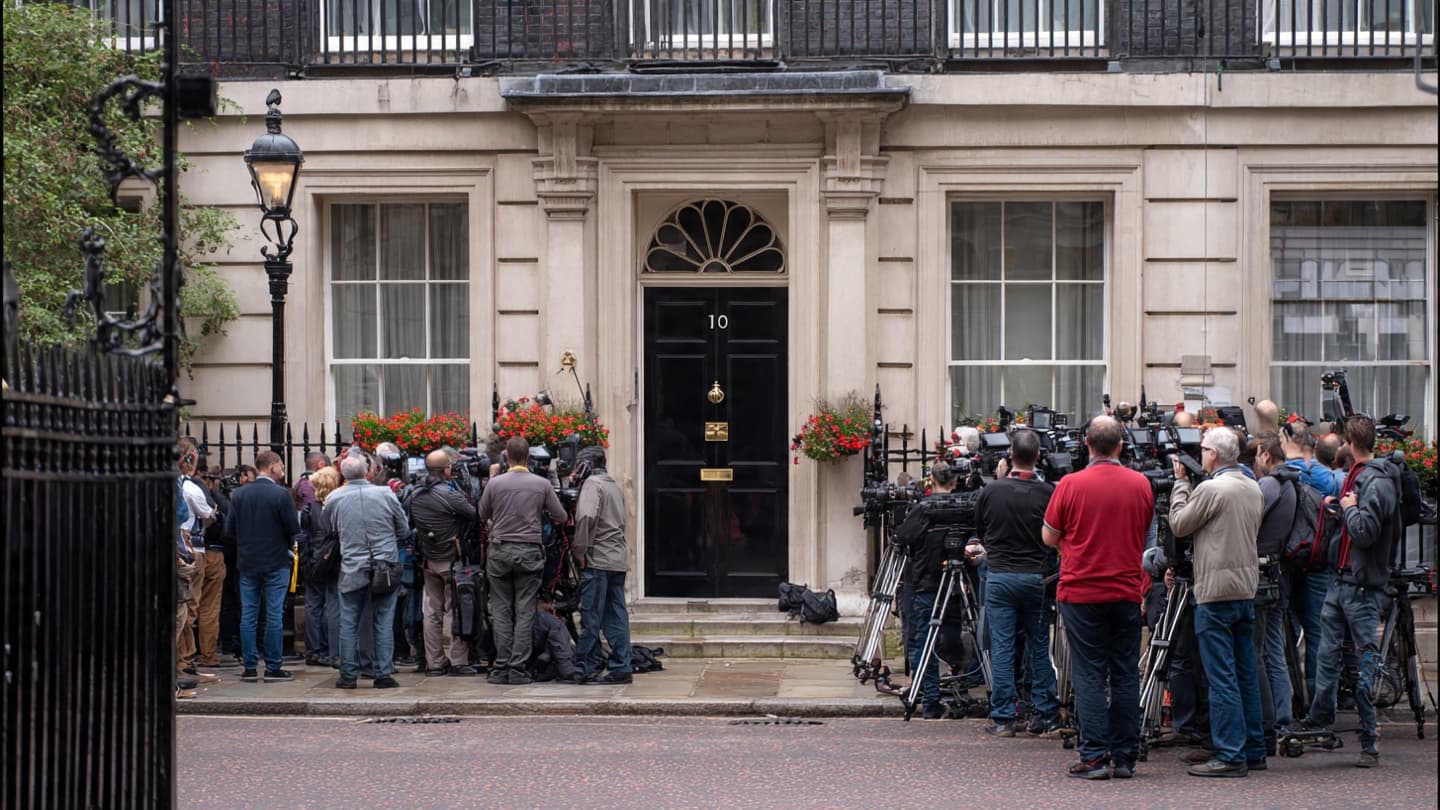
British constitutional conventions allow the governing party to change its leader without the immediate need for a general election. This means that once a new leader is formally selected, they can take office without delay. As Westminster enters this new phase of political transition, all eyes are on who will ultimately step through the door of 10 Downing Street next.
The political landscape in the UK is ever-evolving, and the implications of Starmer's resignation and Burnham's potential leadership will be felt across the country. As the Labour Party navigates this critical juncture, the future of UK politics remains uncertain, with many questions yet to be answered.
Published by Banx Network. This article is part of the Banx decentralized media programme, powered by the BXE token on the XRP Ledger.



