The distance between Earth and Mars is measured in millions of miles, a void that has long separated humanity from its neighboring world. Yet, through the power of simulation and robotic exploration, that gap is narrowing. China’s ambitious space program is increasingly focused on bringing the essence of Mars to Earth, through detailed simulations, sample return planning, and immersive research facilities. This effort invites reflection on how virtual presence can complement physical exploration, making the Red Planet feel closer than ever before. It is a moment where imagination bridges the void.
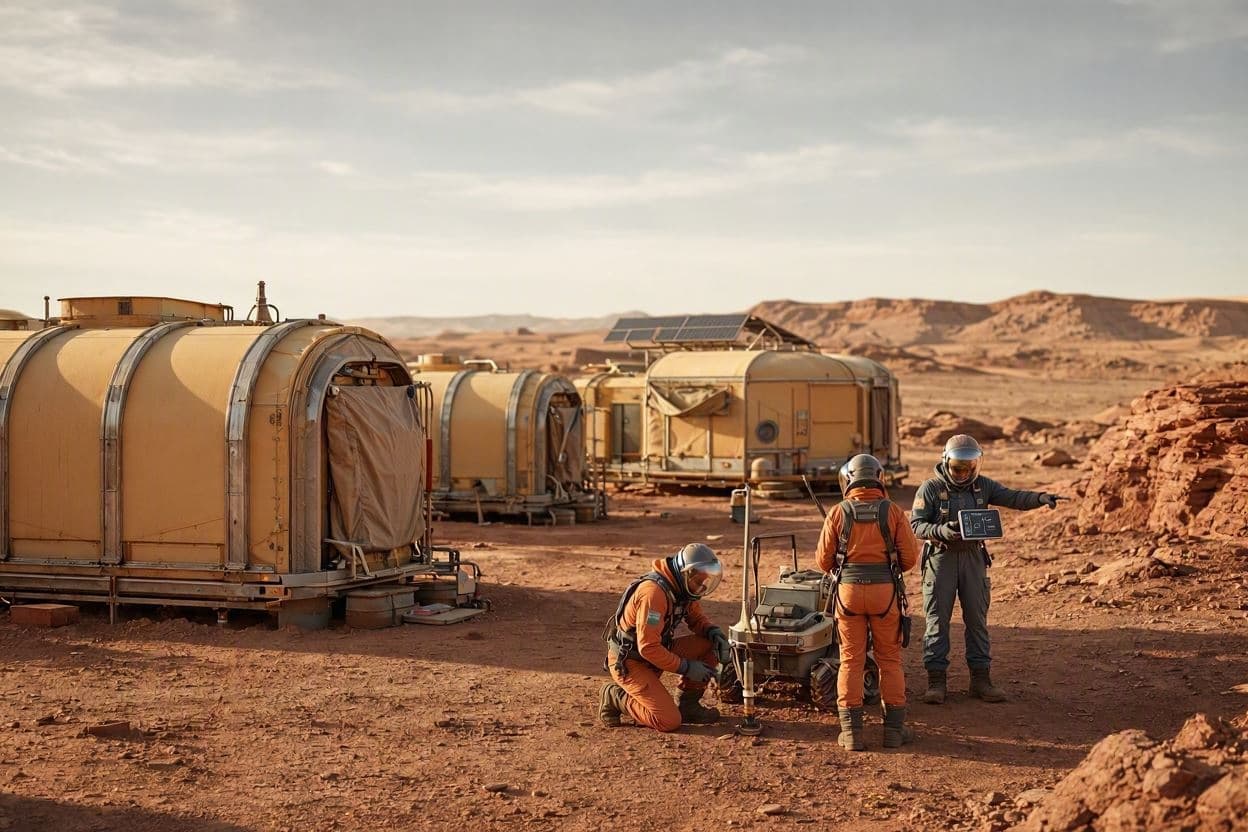
In remote regions of China, such as the Gobi Desert, researchers have constructed large-scale analog habitats that mimic the Martian environment. These facilities allow scientists to test life-support systems, rover operations, and human psychology in conditions that closely resemble those on Mars. Simulation tests reality. Environment shapes behavior.
The Tianwen-1 mission, which successfully landed the Zhurong rover on Mars, provided a wealth of data that is now being analyzed in laboratories across the country. This data is used to refine models of Martian geology and climate, creating a digital twin of the planet. Data builds model. Twin reflects truth.
China has also announced plans for a Mars sample return mission, aiming to bring physical pieces of the Red Planet back to Earth for detailed study. This endeavor would mark a significant milestone in planetary science, allowing for analysis that remote sensing cannot achieve. Samples hold evidence. Study reveals detail.
These efforts are part of a broader global trend toward international collaboration and competition in space exploration. By pushing the boundaries of what is possible, China is contributing to the collective human knowledge of our solar system. Collaboration aids progress. Competition drives speed.
For the public, these initiatives offer a glimpse into the future of interplanetary travel, inspiring a new generation of scientists and engineers. The hope is that these steps will eventually lead to human footsteps on Martian soil. Inspiration drives career. Steps lead to journey.
As the simulations become more realistic and the data more abundant, Mars feels less like a distant dream and more like a tangible destination. The hope is for continued innovation that brings us closer to our cosmic neighbor. Innovation shortens distance. Dream becomes plan.
China is advancing its Mars exploration efforts through analog habitats, data analysis from the Tianwen-1 mission, and plans for a sample return mission. These initiatives aim to simulate Martian conditions and bring physical samples to Earth. The hope is for enhanced scientific understanding and preparation for future human exploration.
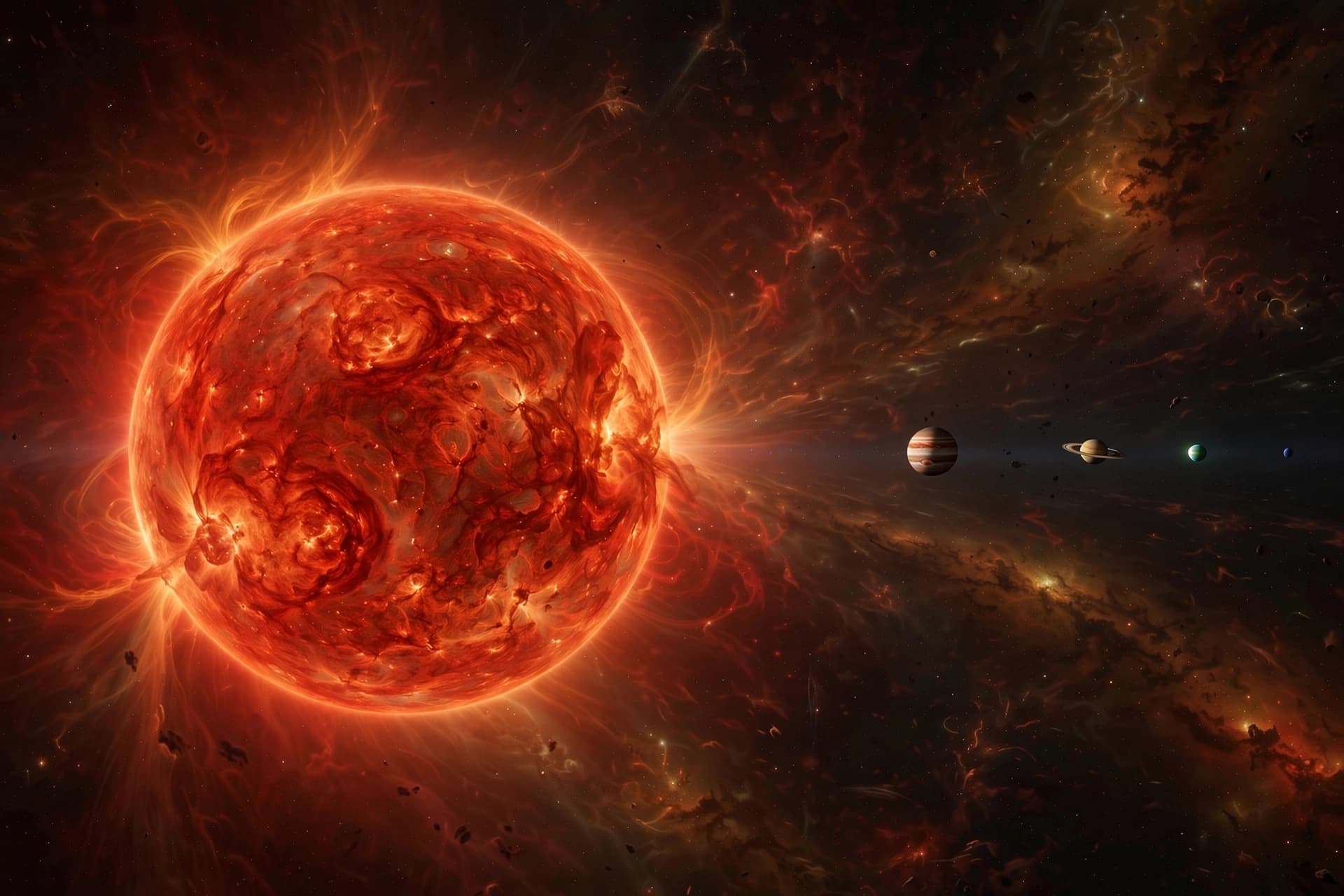
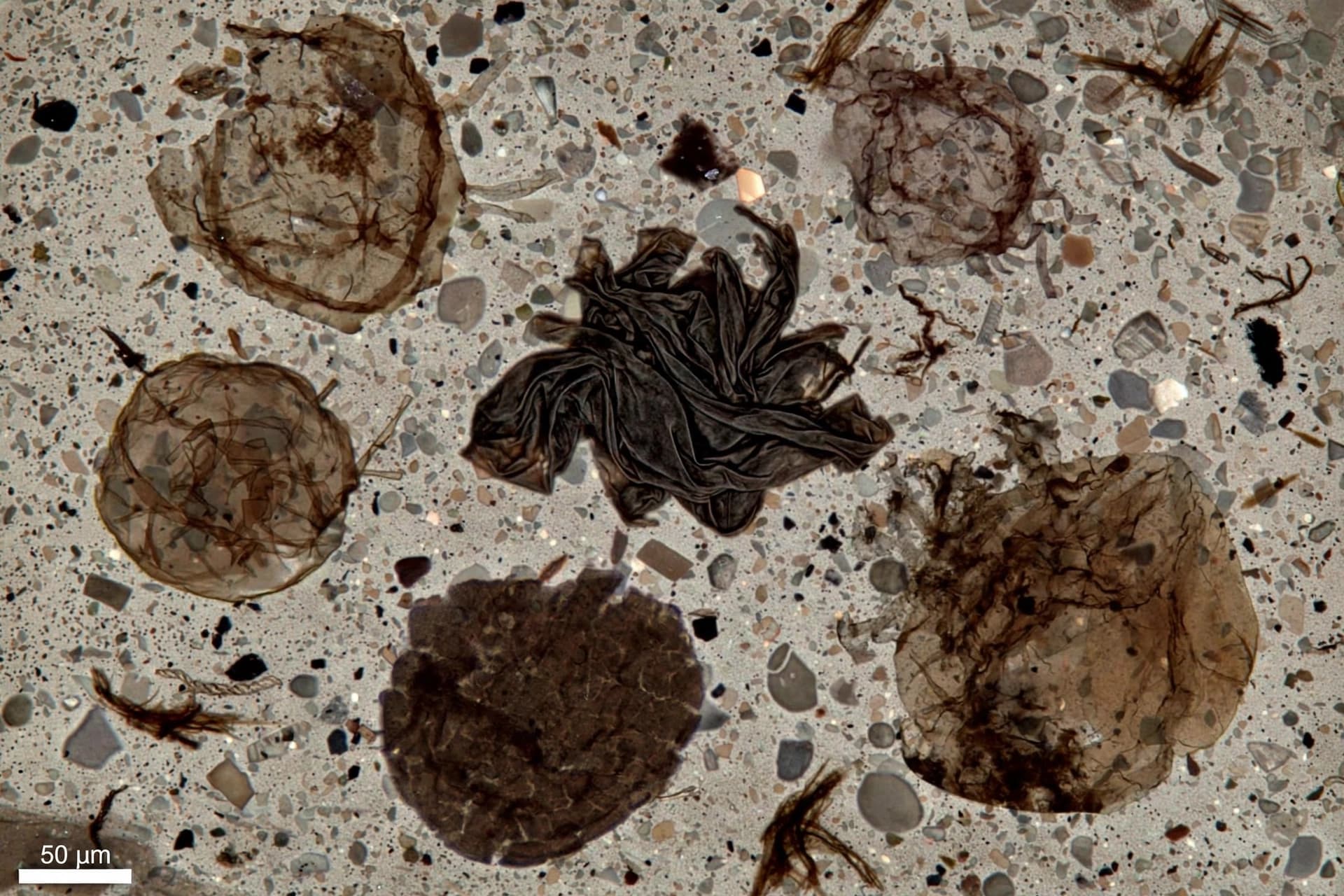
AI Image Disclaimer: The images provided are AI-generated to visually represent the scientific and exploratory aspects of the story.
Sources: Xinhua News Agency SpaceNews South China Morning Post CGTN
Published by Banx Network. This article is part of the Banx decentralized media programme, powered by the BXE token on the XRP Ledger.