The Himalayas stand as majestic sentinels, their snow-capped peaks touching the sky and feeding the rivers that sustain millions. Yet, beneath their serene beauty lies a volatile reality, where ice and rock can shift with catastrophic consequences. Recent floods in Nepal have raised a poignant question: when these ancient mountains tremble, who hears the warning? This inquiry is not just about technology or logistics; it is about equity, survival, and the shared responsibility of protecting those most vulnerable to the whims of nature.
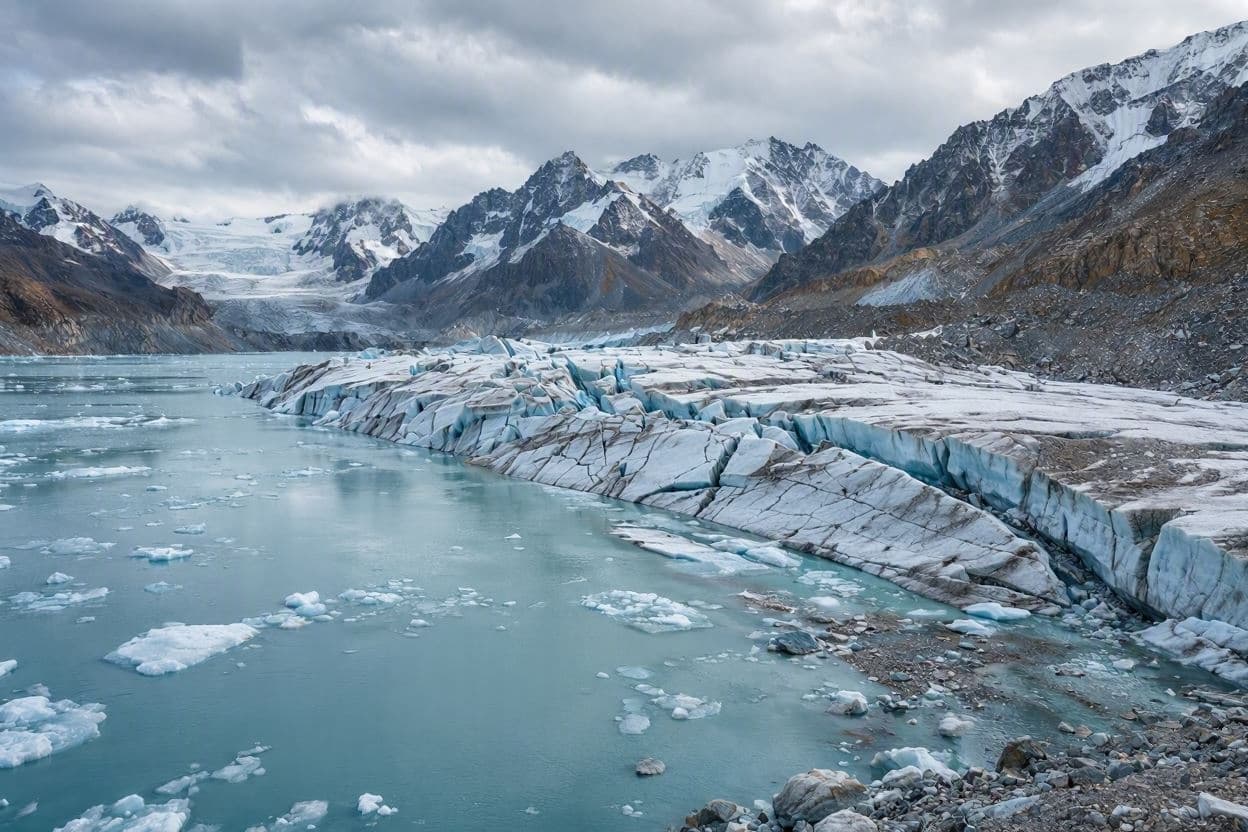
The devastating floods that struck Nepal and Tibet were triggered by the collapse of a glacier, releasing a torrent of water and debris downstream. Such events, known as Glacial Lake Outburst Floods (GLOFs), are becoming more frequent due to climate change. As temperatures rise, glaciers melt faster, forming unstable lakes that can burst without much notice. The sheer power of these floods can wipe out villages, bridges, and livelihoods in a matter of hours, leaving communities with little time to react.
Scientists had identified warning signs in hindsight, noting seismic signals and structural weaknesses in the glacier. However, predicting the exact timing of such collapses remains a formidable challenge. Early warning systems exist, but their effectiveness depends on rapid communication and local preparedness. In remote mountainous regions, where infrastructure is often limited, getting a message to the right people at the right time is a complex logistical hurdle.
The question of "who gets warned" highlights a disparity in access to information. Downstream communities in Nepal, India, Bhutan, and Bangladesh are all at risk, yet coordination across borders is often fragmented. Political tensions and resource constraints can hinder the sharing of critical data. Without a unified regional approach, warnings may reach some while leaving others in the dark, exacerbating the tragedy of preventable loss.
Community-based initiatives have shown promise in filling these gaps. Local volunteers trained to monitor river levels and recognize danger signs can act as the first line of defense. These grassroots efforts, combined with technological tools like satellite imagery and seismic sensors, create a more resilient network. Empowering local populations with knowledge and resources is key to reducing vulnerability and saving lives.
However, technology alone is not enough. There must be trust in the warning systems and clear protocols for evacuation. People need to know where to go and what to do when an alert is issued. Education and regular drills are essential components of disaster preparedness. When communities are engaged and informed, they can respond more effectively, turning fear into action.
The global community has a role to play in supporting these efforts. Funding for climate adaptation, technical assistance, and international cooperation are vital. As climate change accelerates, the frequency of such disasters is likely to increase. Investing in early warning systems and resilient infrastructure is not just a moral imperative but a practical necessity for sustainable development in the region.
The Nepal floods serve as a stark reminder of the vulnerabilities facing Himalayan communities. Addressing the question of who gets warned requires a multifaceted approach involving technology, policy, and community engagement. By strengthening regional cooperation and empowering local populations, we can build a safer future for those living in the shadow of these magnificent but unpredictable mountains.
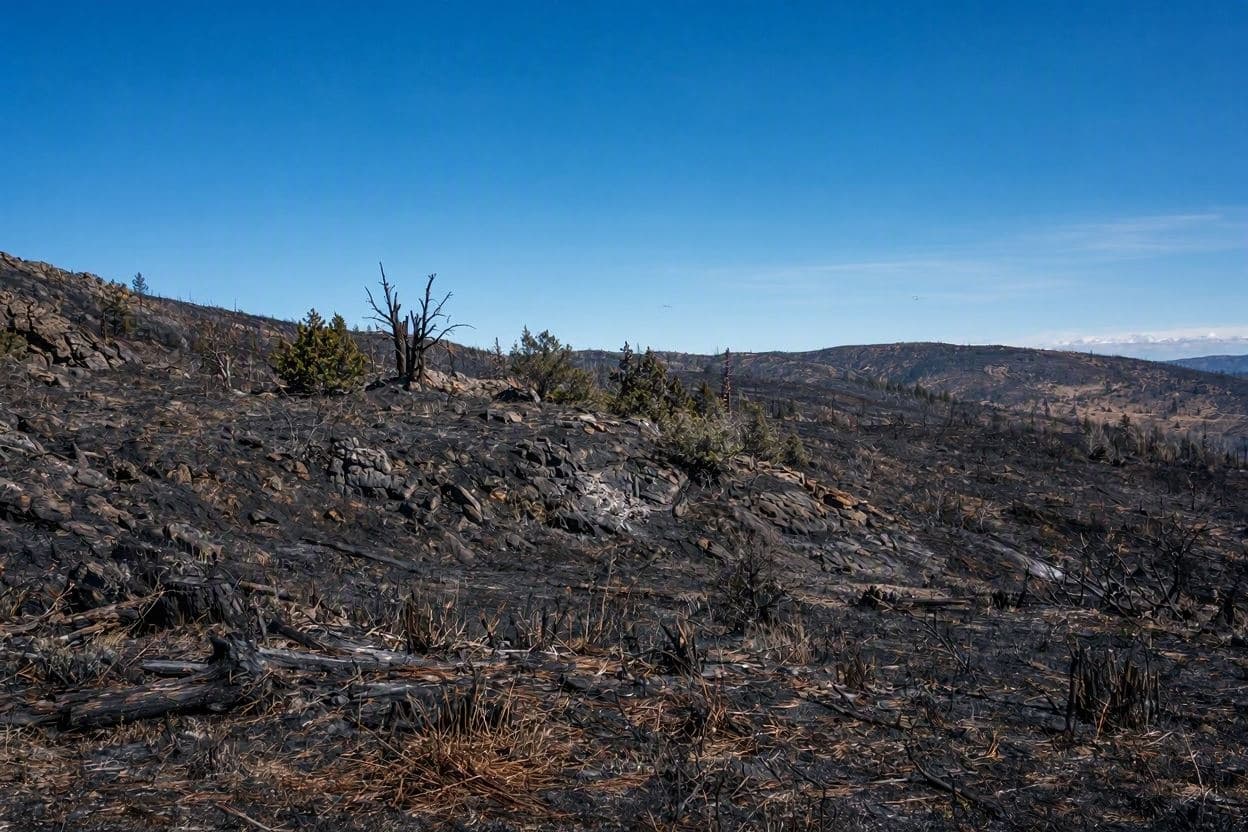
AI Image Disclaimer: Visuals associated with this article are AI-generated representations intended to visualize the historical context and should not be considered photographic evidence.
Sources: Al Jazeera The New York Times Nature The Conversation
Published by Banx Network. This article is part of the Banx decentralized media programme, powered by the BXE token on the XRP Ledger.