
Key Highlights
- Japan is initiating dialogue with Iran to address rising tensions in the Middle East.
- Prime Minister Sanae Takaichi's administration emphasizes peace and understanding.
- Japan's diplomatic efforts reflect its historical commitment to global stability.
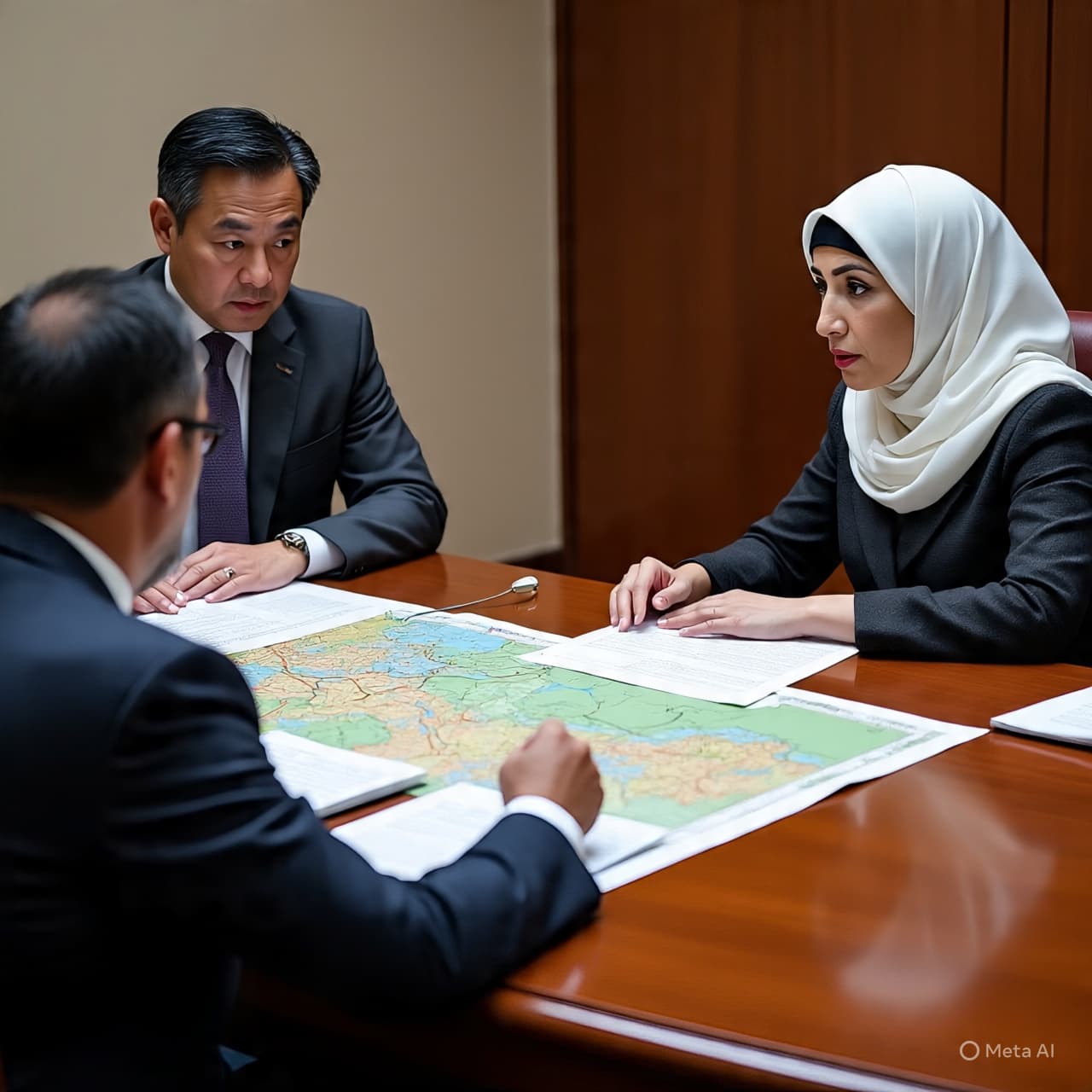
Japan is stepping into the complex landscape of the Middle East crisis with a renewed focus on dialogue, particularly with Iran. As tensions escalate in the region, Tokyo's initiative aims to foster communication and understanding, reflecting its long-standing philosophy of diplomacy rooted in historical awareness and responsibility. The Japanese government recognizes the potential for conflict to disrupt not only regional stability but also global commerce and energy security, particularly in the vital Strait of Hormuz.
Prime Minister Sanae Takaichi's administration is preparing for high-level discussions with Iranian officials, signaling a commitment to peaceful resolution and collaboration. This approach aligns with Japan's broader strategy of quiet engagement, which prioritizes dialogue over confrontation. By reaching out to Tehran, Japan seeks to mediate and prevent further escalation of tensions that could have far-reaching consequences.
The timing of Japan's diplomatic overtures is critical. As Iran faces pressure from various international fronts, including the United States, Japan's role as a mediator becomes increasingly significant. Observers note that Japan's historical context and cultural insights provide it with unique tools for negotiation, allowing it to navigate the complexities of the current geopolitical landscape effectively.
Japan's efforts are not merely about immediate conflict resolution; they reflect a deeper commitment to fostering long-term peace and stability in the region. By advocating for dialogue, Japan underscores the importance of communication as a means to bridge divides and prevent misunderstandings that could lead to conflict. This philosophy is particularly relevant in today's fast-paced world, where reactions often overshadow thoughtful deliberation.
In pursuing talks with Iran, Japan sends a powerful message about the value of patience and diplomacy. The nation’s approach serves as a reminder that proactive engagement can often yield better outcomes than reactive measures. As the international community watches closely, Japan's actions may inspire other nations to consider dialogue as a viable path toward resolving disputes.
Ultimately, Japan's diplomatic initiative highlights the enduring belief that peace is best achieved through conversation rather than conflict. By reinforcing its role as a mediator, Japan not only contributes to regional stability but also enhances its reputation on the global stage as a nation committed to fostering understanding and cooperation.
Published by Banx Network. This article is part of the Banx decentralized media programme, powered by the BXE token on the XRP Ledger.



