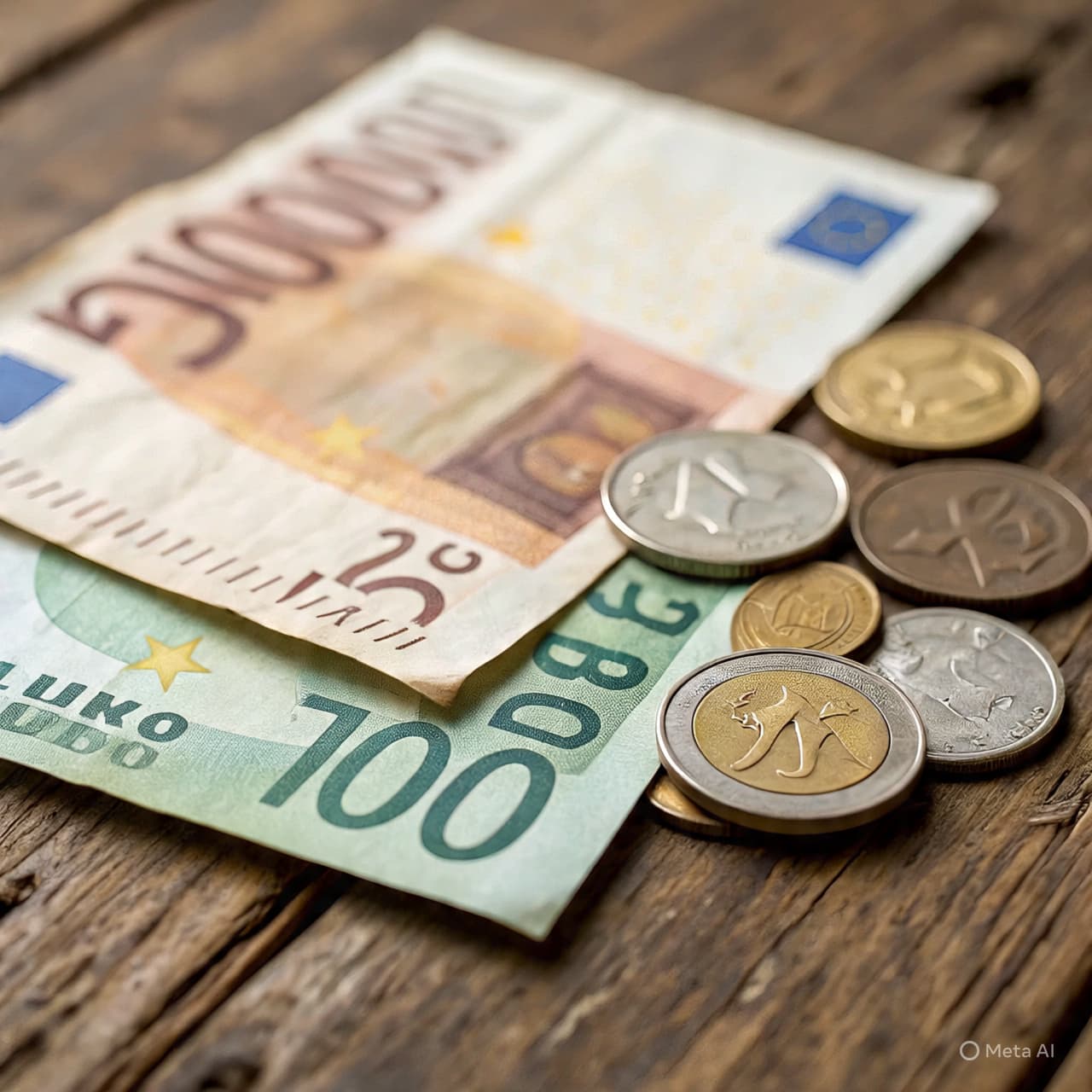
In the soft glow of dawn on January 1, 2026, Bulgaria greeted the New Year not just with celebration, but with a fundamental monetary transformation. After years of preparation and negotiation, the country quietly stepped into the heart of Europe’s shared currency area, replacing the familiar lev with the euro and joining the eurozone as its 21st member. For consumers and businesses alike, this change is more than a shift in banknotes — it is a journey into a new economic rhythm.
For many Bulgarians, the first weeks of 2026 will feel like watching a well-rehearsed play unfold. Prices in shops now bear two figures — euros alongside the lev — and old currency can still be used briefly as the nation transitions. Bank accounts have automatically converted to euros, and until mid-year, citizens can exchange levs for euros at no charge. This gradual switch aims to soften the adjustment and give everyone a sense of continuity amid change.
For ordinary consumers, the benefits come with both practical ease and intangible reassurance. Travel to neighboring eurozone countries becomes simpler — no more last-minute currency exchanges or leftover banknotes tucked away in wallets. Comparing prices online across borders grows straightforward, with a single figure travelers and shoppers can trust. These everyday conveniences echo broader promises: stronger integration with European markets, enhanced consumer protection mechanisms during the price transition, and a feeling of connectedness with the larger economic community.
But there are nuanced effects, too. Some citizens voice concern about price increases or the loss of a national symbol in the lev — worries that have surfaced in many countries during similar transitions. Though economists point out that inflation spikes after euro adoption are usually modest and short-lived, the memories of past changes in Europe shape how people feel about their wallets and future purchasing power.
For businesses, the shift brings a clear set of practical advantages. Firms that trade with partners across the eurozone no longer need to calculate currency exchange costs, freeing up resources and removing a layer of financial complexity. Analysts estimate these savings could total substantial sums annually, improving competitiveness for exporters and easing cross-border investment flows. Moreover, Bulgaria now holds a seat on the European Central Bank’s Governing Council, giving the country a voice in shaping interest rate decisions that affect its economy.
Small and medium-sized enterprises, in particular, may find the euro transition a catalyst for growth. With lower transaction costs and a more predictable monetary environment, domestic companies are better positioned to enter new markets and secure financing. Economists and business leaders suggest this could boost employment and innovation over time, as firms feel more confident in an interconnected European marketplace.
Yet the transition also means ceding some monetary policy autonomy. Bulgaria no longer sets its own interest rates; these are now determined by the ECB in Frankfurt. While this loss of direct control has been tempered by Bulgaria’s long-standing fixed exchange rate policy, some critics see it as a symbolic and practical shift in national economic governance.
As Bulgarian consumers and business owners navigate price tags in a new currency and adjust to a shared European rhythm, the broad expectation is that the long-term gains — deeper integration, lower trade barriers, and smoother cross-border movement — will shape daily life in ways both subtle and significant. In this new era of euros and shared economic goals, Bulgaria’s next chapters will be written not just in Sofia, but across the continent it now shares as part of a common monetary family.
AI Image Disclaimer “Visuals are created with AI tools and are not real photographs.”
Sources Reuters, AP News, European Commission, EU Council press releases, MarketBeat economic coverage.
Published by Banx Network. This article is part of the Banx decentralized media programme, powered by the BXE token on the XRP Ledger.