

Key Highlights
- Ukraine targets railway bridge to disrupt Russian logistics.
- Crimea remains a strategic focal point in the ongoing conflict.
- Military experts emphasize the importance of logistics in warfare.
In prolonged conflicts, infrastructure often transcends its physical form, evolving into a vital lifeline that carries not just supplies and personnel, but also strategic advantages. The ongoing war between Ukraine and Russia exemplifies this reality, as transportation routes play a crucial role in military calculations for both sides.
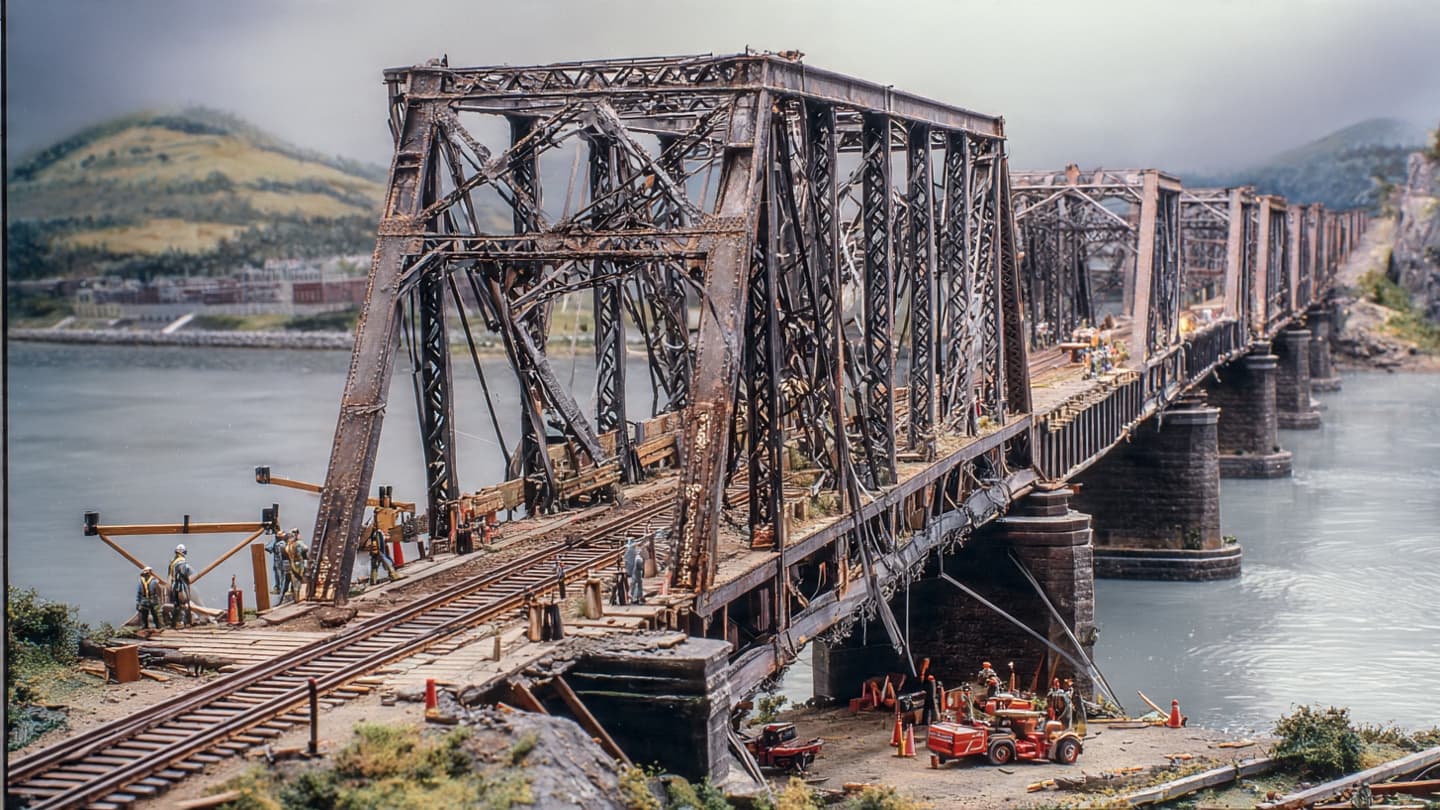
Recently, Ukrainian officials reported that their forces struck a railway bridge linked to Crimea, framing the action as part of a broader strategy to disrupt Russian logistics that support military operations on the peninsula and in southern Ukraine. This strike underscores the significance of transportation links, which have been repeatedly targeted throughout the conflict.
Crimea, annexed by Russia in 2014 but still recognized by most countries as part of Ukraine, has maintained its strategic importance. The railway connections between the peninsula and Russian-controlled territories are vital for the movement of military resources. Ukrainian officials assert that damaging this railway infrastructure could hinder the transport of military equipment, ammunition, and personnel, thereby complicating Russian operations.
Conversely, Russia has accused Ukraine of similar strikes aimed at key transport networks, indicating a reciprocal targeting of infrastructure that supports military logistics. However, Russian authorities have not consistently confirmed the full extent of damage reported following such incidents, making independent verification challenging during active conflict. Analysts often rely on satellite imagery and official assessments to gauge the impact of these strikes.
Military experts highlight that disrupting logistics has long been a fundamental aspect of warfare. Rail networks, bridges, and supply corridors frequently become priority targets because they significantly influence operational flexibility. The ability to move troops and supplies efficiently can determine the outcome of military engagements, making these infrastructures critical in the ongoing conflict.
The latest reported strike comes amid intensified fighting across multiple fronts, as both Ukraine and Russia ramp up efforts to shape battlefield conditions ahead of ongoing military operations. The conflict continues to evolve, with significant humanitarian and geopolitical consequences that extend beyond the immediate military objectives.
As diplomatic efforts remain limited, international observers are closely monitoring developments in the region. The situation underscores the complex interplay between military strategy and infrastructure, revealing how vital these elements are in the broader context of warfare.
Published by Banx Network. This article is part of the Banx decentralized media programme, powered by the BXE token on the XRP Ledger.




