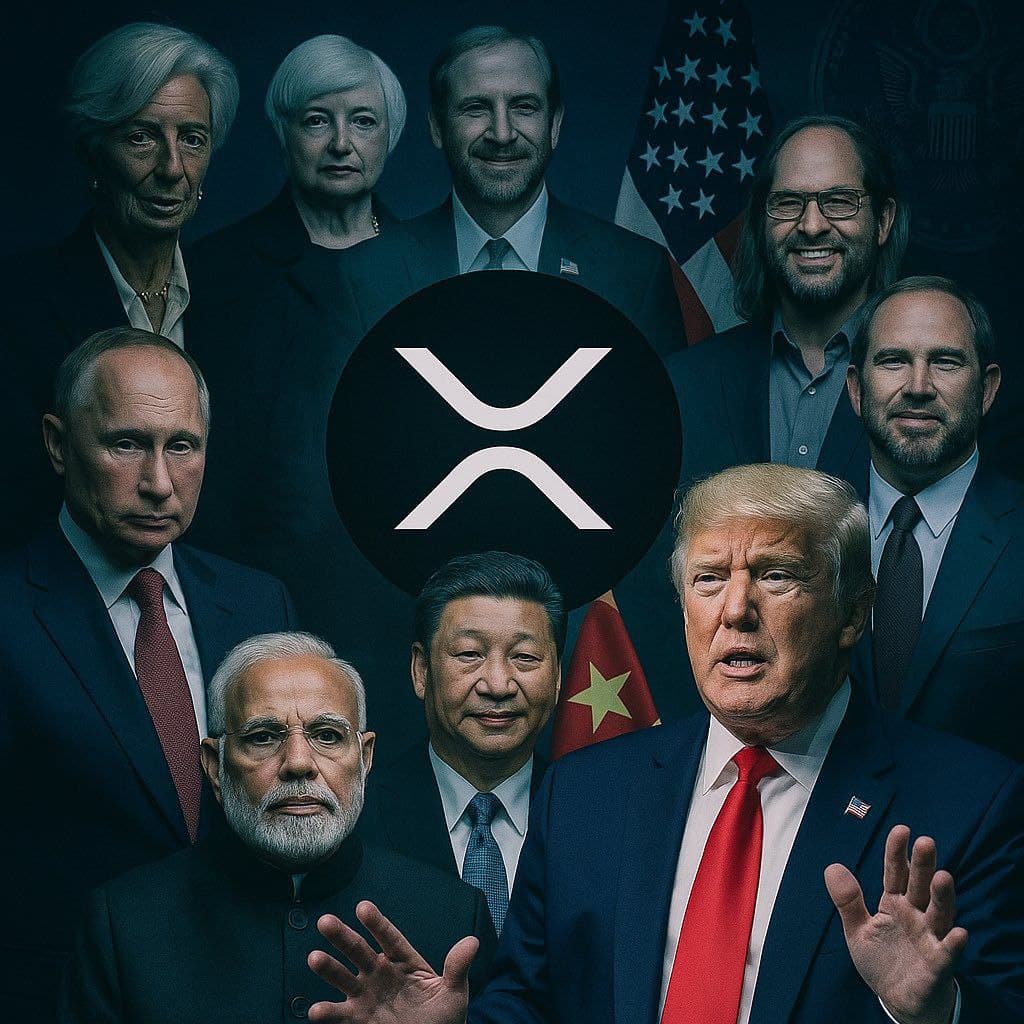
The speculation surrounding the BRICS alliance's consideration of utilizing XRP—the digital asset used for cross-border transactions on RippleNet—for its new payment mechanism is sending shockwaves through the global financial community. This alleged strategy is part of a broader, well-documented push by the BRICS coalition to establish an independent economic system, minimizing reliance on the U.S. dollar and Western financial intermediaries like SWIFT. A Quest for De-Dollarization The core objective of the BRICS nations, which recently surpassed the G7 in terms of global GDP based on Purchasing Power Parity (PPP), is to enhance economic sovereignty and streamline trade between member states. Traditional correspondent banking is often slow, expensive, and subject to geopolitical influence. The potential adoption of a solution leveraging XRP's features—namely its speed, low transaction cost, and ability to act as a bridge currency—could provide a fast, efficient, and direct alternative for settling inter-member trade. XRP's Role as a 'Bridge' XRP is reportedly being examined alongside Stellar's XLM due to its proven efficacy in international settlements. Analysts have even compared XRP to a potential 'gold' reserve for the coalition due to its stability and utility in a financial framework. By using XRP, or the underlying technology of the XRP Ledger, BRICS nations could facilitate near-instant conversion and settlement between their local currencies, bypassing the need for a stable, high-liquidity fiat intermediary like the U.S. dollar. Implications for a Global Reset If an official announcement confirms XRP's integration into the BRICS payment system—potentially as part of the proposed 'BRICS Pay' or a stablecoin settlement platform—the ramifications would be profound: Accelerated De-Dollarization: This would be one of the most significant practical steps taken by the coalition to challenge the dollar's status as the world's primary reserve and trade currency. Global Regulatory Shift: Major institutional adoption by a bloc representing over 40% of the world's population would likely force global regulators, including those in the U.S., to provide clearer, more favorable regulatory frameworks for digital assets used in official cross-border settlements. Market Impact: The move could be seen as an immense validation of blockchain-based cross-border payments, potentially triggering a massive institutional inflow into the XRP ecosystem. While the plans for a unified BRICS payment system are still in development and face technical and political hurdles, the consideration of a prominent, established digital asset like XRP suggests a serious commitment to building a new, independent financial architecture. This development could indeed be the "next domino" leading to a structural shift in global finance.
Published by Banx Network. This article is part of the Banx decentralized media programme, powered by the BXE token on the XRP Ledger.