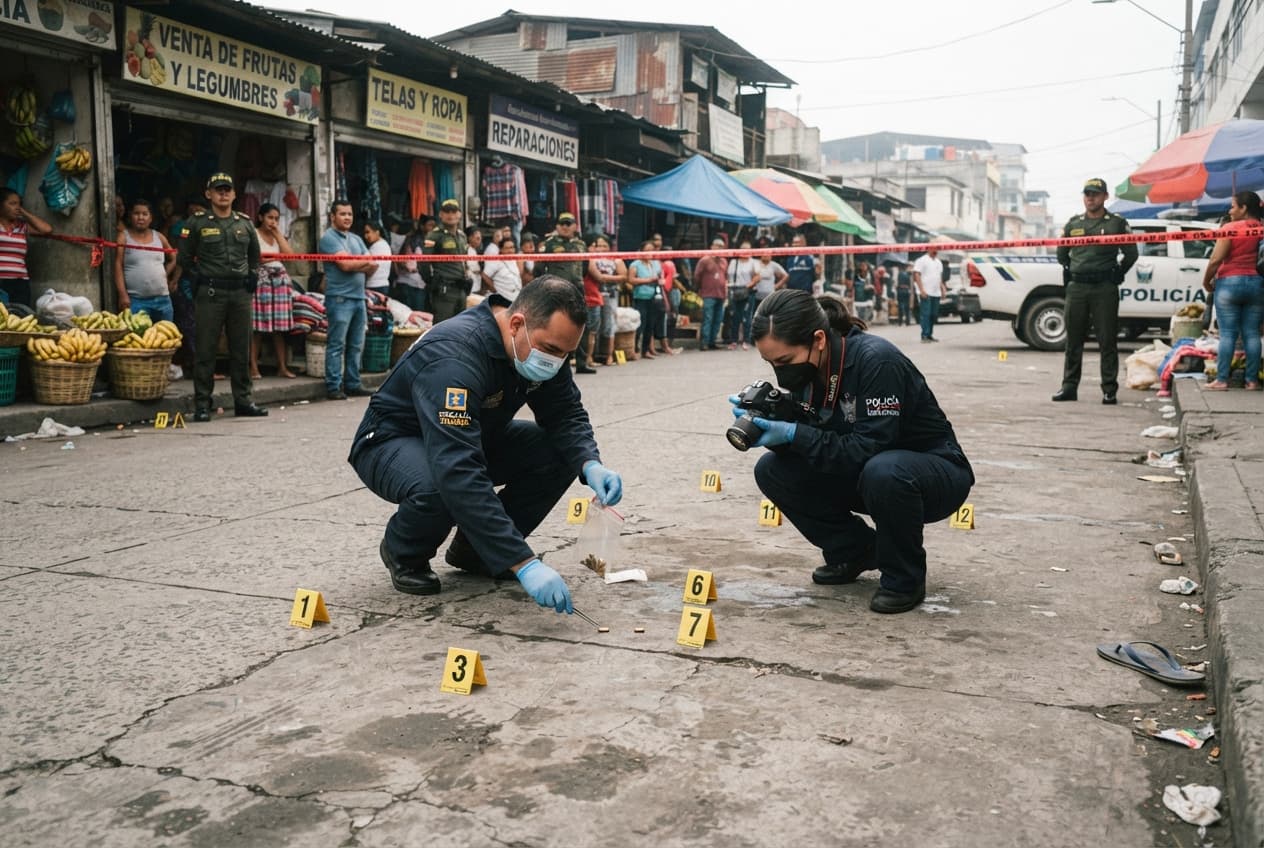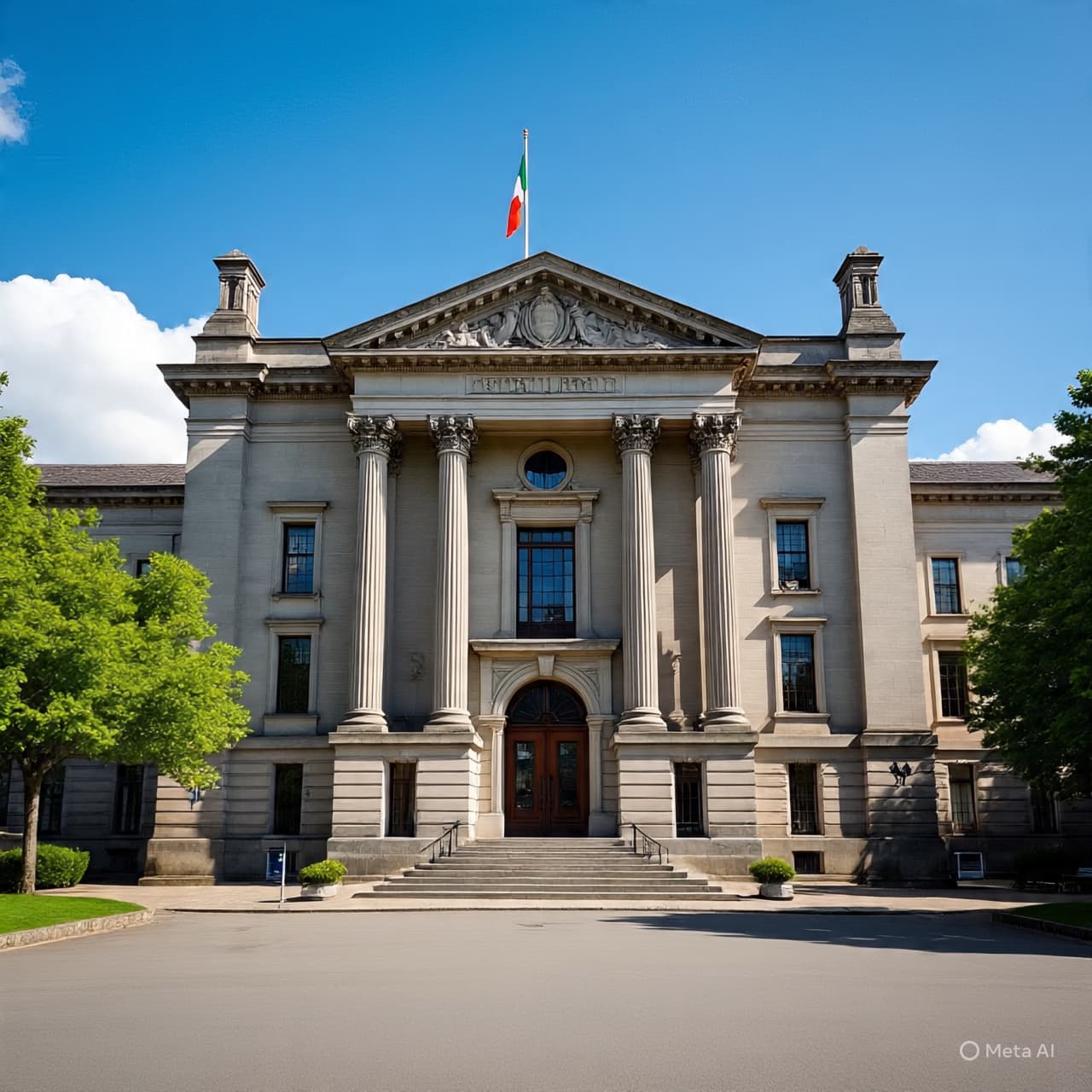
Some houses carry more history than their brickwork reveals. Behind curtains and garden gates, they may appear indistinguishable from their neighbors — semi-detached façades catching the same light, driveways swept clean, postboxes filling each morning. Yet in recent years, a number of properties in Limerick, Dublin, and Waterford have stood at the center of a quieter reckoning, their ownership transferred not through private sale alone, but through the machinery of the State.
The Criminal Assets Bureau (CAB) has recouped more than €1 million for the exchequer following the sale of homes linked to individuals involved in organized crime. The proceeds, once tied to alleged illicit gain, have now been redirected into public funds — a reversal that officials describe as central to CAB’s mandate: to deprive criminals of assets accumulated through unlawful activity.
Established in the wake of Ireland’s gangland violence of the 1990s, the Criminal Assets Bureau operates under civil powers rather than criminal conviction alone. Through applications to the High Court, it can seek freezing and forfeiture orders where assets are believed to derive from criminal conduct. The threshold differs from that of a criminal trial, focusing on the balance of probabilities rather than proof beyond reasonable doubt. Over time, this model has allowed CAB to target properties, vehicles, and financial holdings tied to suspected gang figures.
The recent sales reflect the culmination of legal proceedings that can stretch over years. Properties are first restrained, preventing sale or transfer, and may eventually be sold under court order if forfeiture is granted. In each case, the aim is not symbolic but structural — to dismantle the economic foundations that sustain criminal enterprises.
For communities in Limerick, Dublin, and Waterford, such actions carry layered meaning. On one level, they signal enforcement: a visible reminder that proceeds of crime can be reclaimed. On another, they transform spaces once associated with intimidation or notoriety into ordinary dwellings once more, reintegrated into the fabric of local life.
CAB’s work extends beyond real estate. It encompasses luxury vehicles, cash seizures, business interests, and offshore accounts. Yet homes often resonate most clearly in the public imagination. A house is both shelter and statement — a marker of status, stability, and permanence. To see it transferred by court order is to witness a shift in narrative.
Officials have noted that funds recovered contribute directly to the State’s finances, reinforcing the principle that crime should not yield lasting reward. Critics of civil asset forfeiture frameworks sometimes raise concerns about due process and proportionality, though Ireland’s system operates under judicial oversight at each stage.
As these properties change hands, their walls remain unchanged, but their stories alter course. Curtains reopen. New families may move in. The memory of previous occupants recedes into legal archives and news reports. What remains is a broader assertion: that illicit wealth, however solid it appears in concrete and brick, can be reclaimed.
In the steady language of court orders and land registry updates, more than €1 million has returned to the exchequer. For the Bureau and the communities watching, it represents not just revenue, but a quiet rebalancing — one house at a time.
AI Image Disclaimer
Illustrations were created using AI tools and are not real photographs.
Sources
Criminal Assets Bureau
Courts Service of Ireland
Department of Justice Ireland
Published by Banx Network. This article is part of the Banx decentralized media programme, powered by the BXE token on the XRP Ledger.