

Key Highlights
- Ocean oxygen levels are declining rapidly, threatening marine ecosystems.
- Climate change and nutrient pollution are primary drivers of deoxygenation.
- The crisis poses significant risks to fisheries and human livelihoods.
[The Ocean's Role in Our Planet]
The oceans are often referred to as the lungs of our planet, playing a crucial role in maintaining the balance of life through the exchange of gases. However, recent studies reveal that this vital respiratory system is under severe stress. Ocean oxygen levels are declining at an alarming rate, pushing marine ecosystems toward what scientists describe as an "unsafe space." This deoxygenation not only threatens the biodiversity of the seas but also jeopardizes the livelihoods of millions who depend on these ecosystems, signaling an urgent need for action.
[Drivers of Ocean Deoxygenation]
The primary driver of this oxygen loss is climate change. As global temperatures rise, the surface waters of the ocean warm, leading to a decrease in dissolved oxygen levels. Warmer water is less dense, which inhibits the mixing of surface and deep waters. This stratification prevents oxygen from reaching the depths, creating vast zones where marine life struggles to survive. These so-called "dead zones" are expanding, significantly altering the chemical balance of the marine environment.
Another critical factor contributing to this crisis is nutrient pollution, primarily from agricultural runoff and wastewater. When excess nutrients enter the ocean, they fuel harmful algal blooms. As these algae die and decompose, bacteria consume the available oxygen, further depleting levels in the water. This combination of warming and pollution creates a double burden for marine life, forcing species to migrate, adapt, or face extinction.
[Impact on Marine Biodiversity]
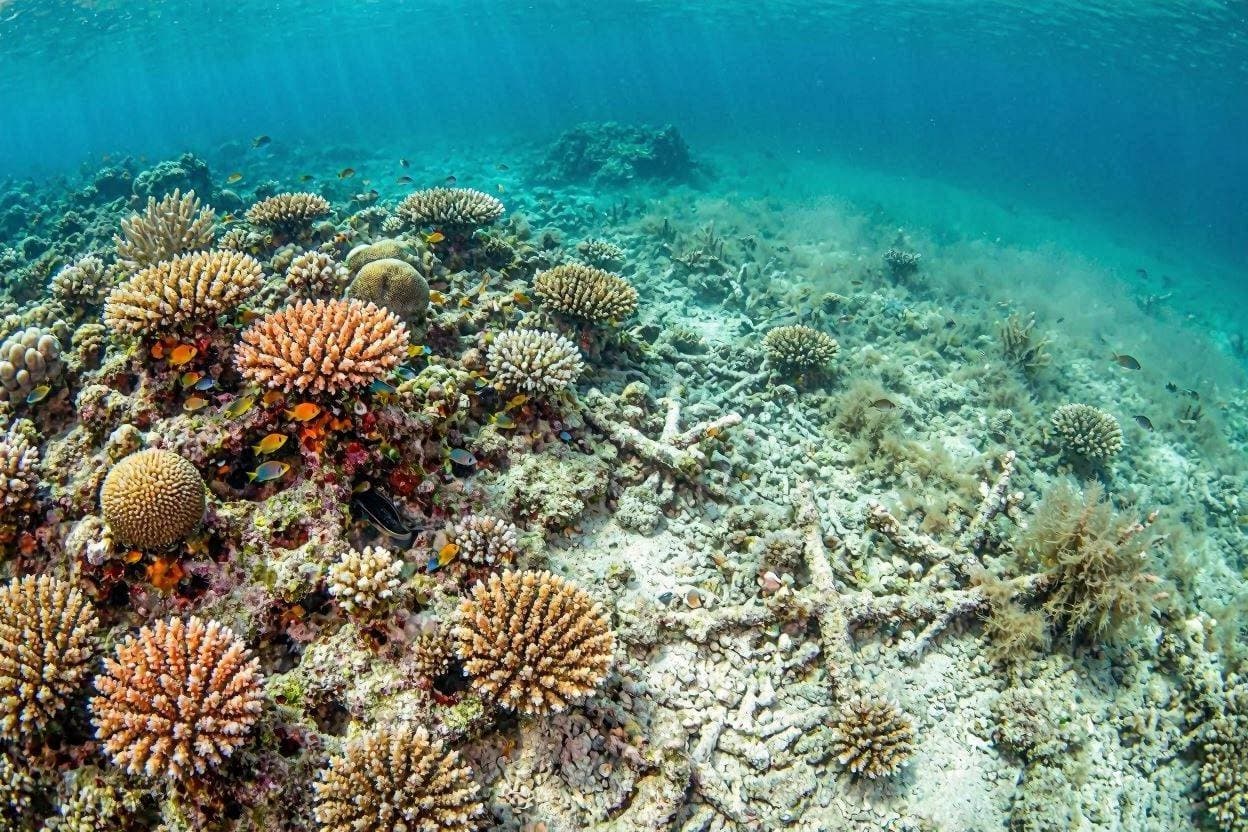
The impact on marine biodiversity is severe. Fish, crustaceans, and other organisms require oxygen to survive, and even slight decreases can affect their growth, reproduction, and behavior. Species that cannot migrate quickly enough to find oxygen-rich waters may perish, leading to a loss of genetic diversity and ecosystem stability. This disruption ripples through the food web, affecting both predators and prey alike, ultimately threatening the entire marine ecosystem.
[Consequences for Human Communities]
For human communities, the consequences of ocean deoxygenation are equally significant. Fisheries that support millions of jobs and provide a primary source of protein are at risk. Declining fish stocks can lead to economic hardship and food insecurity, particularly in coastal regions of developing nations. The social and economic costs of ocean deoxygenation are substantial, highlighting the intersection of environmental health and human well-being.
[Urgent Need for Action]
Scientists warn that we are approaching a tipping point. Once oxygen levels drop below a certain threshold, the recovery of marine ecosystems becomes extremely difficult, if not impossible. The term "unsafe space" reflects the gravity of this situation, indicating that current trends are leading toward irreversible damage. Immediate action is required to reverse this trajectory and protect the health of the oceans.
Mitigation strategies include reducing greenhouse gas emissions to slow ocean warming and implementing stricter regulations on nutrient pollution. Protecting and restoring coastal habitats, such as mangroves and seagrass beds, can also help improve water quality and oxygen levels. These efforts require global coordination and commitment, as the ocean is a shared resource that knows no boundaries.
The decline of ocean oxygen is a silent crisis, unfolding beneath the waves but with loud implications for life on Earth. Recognizing the urgency of this issue is the first step toward addressing it. By protecting the oceans, we protect ourselves, ensuring that the blue heart of our planet continues to beat strongly for generations to come.
Published by Banx Network. This article is part of the Banx decentralized media programme, powered by the BXE token on the XRP Ledger.




