
Key Highlights
- Wildfires in Ontario are affecting air quality in U.S. states.
- Public health officials have issued alerts for vulnerable populations.
- Economic impacts are felt across tourism and outdoor industries.
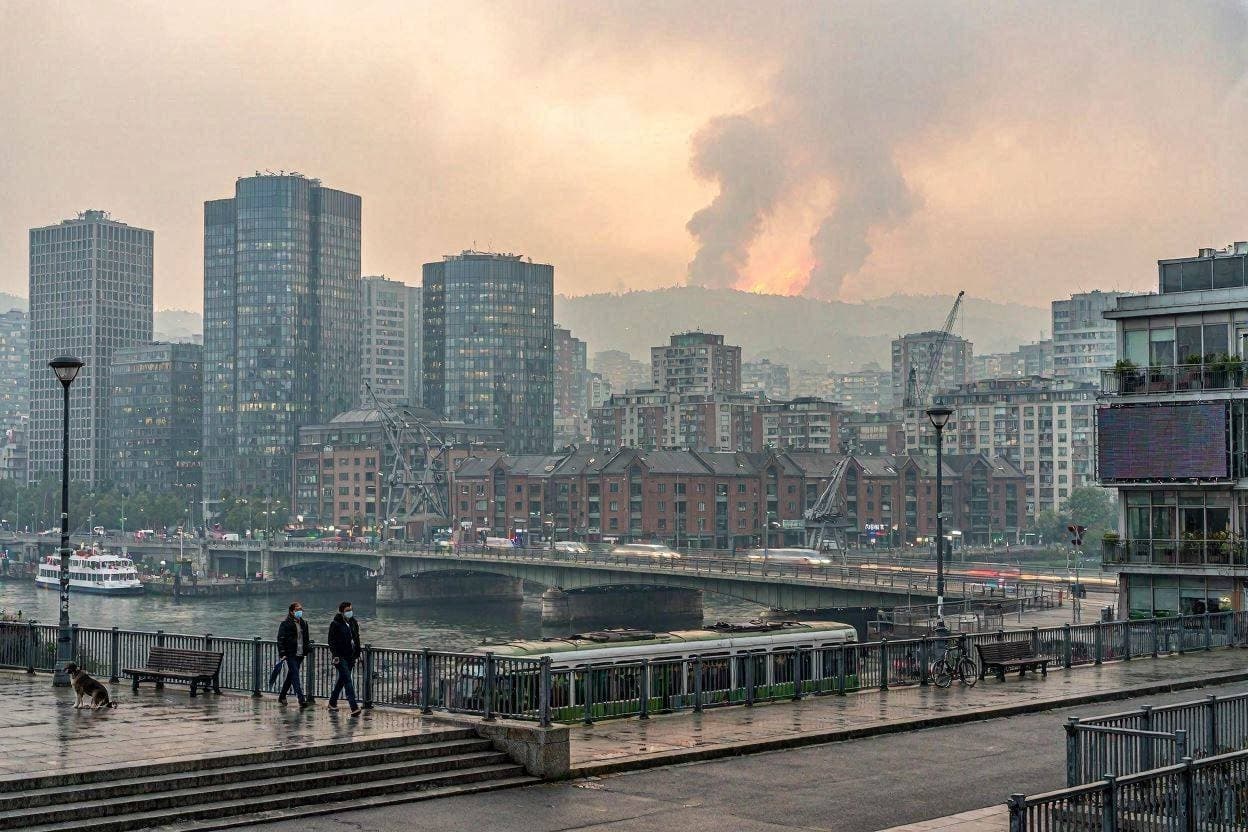
The wildfires in Ontario have intensified due to dry conditions and high temperatures, creating hazardous air quality in nearby U.S. states such as Michigan, New York, and Pennsylvania. Smoke from these fires has drifted across borders, impacting air quality and public health. Residents in affected areas are experiencing hazy skies and reduced visibility, which pose significant health risks, especially for those with pre-existing respiratory conditions. The physical presence of the smoke serves as a stark indicator of the scale of the fires and the difficulty of containing them in vast, remote forests.
Canadian authorities are deploying significant resources to combat the blazes, including aerial firefighting teams and ground crews. However, the sheer size of the affected area and the rugged terrain make containment a slow and challenging process. Weather conditions, including wind patterns, play a critical role in determining the direction and intensity of the smoke, often carrying it far beyond the fire zones themselves. This situation highlights the interconnectedness of ecosystems and the shared responsibility of neighboring countries in addressing environmental crises.
Public health officials in the U.S. have issued air quality alerts, advising vulnerable populations to stay indoors and limit outdoor activities. Schools and outdoor events have been canceled or moved inside to protect children and staff. These precautions underscore the immediate impact of environmental events on daily life, disrupting routines and raising awareness about the importance of clean air. The smoke's reach serves as a reminder that air quality issues do not recognize borders, affecting communities far from the source of the fires.
The economic implications are also notable, affecting tourism, agriculture, and outdoor industries. Businesses that rely on clear skies and healthy visitors face losses as people avoid affected areas. The cost of healthcare increases as more individuals seek treatment for smoke-related symptoms. These indirect costs add to the overall burden of the wildfires, impacting communities far from the flames. The economic fallout from such environmental disasters can be extensive, highlighting the need for proactive measures to mitigate risks.
International cooperation is essential in managing cross-border environmental issues. Data sharing between Canadian and U.S. meteorological agencies helps predict smoke movement and prepare communities. Joint research into fire prevention and management strategies offers long-term solutions, aiming to reduce the frequency and severity of future outbreaks. Collaboration is key to building resilience against the increasing threat of wildfires exacerbated by climate change.
As the fires continue to burn, the focus remains on safety and mitigation. Residents are encouraged to monitor air quality indices and take necessary precautions. The situation serves as a reminder of the power of nature and the need for sustainable land management practices. By understanding the causes and effects, societies can better prepare for similar events in the future.
The Ontario wildfires and their impact on the U.S. underscore the shared responsibility of environmental stewardship. While the smoke will eventually clear, the lessons learned remain. Through cooperation and preparedness, communities can navigate these challenges with greater resilience and care.
Published by Banx Network. This article is part of the Banx decentralized media programme, powered by the BXE token on the XRP Ledger.



