
Key Highlights
- Chiang Mai is experiencing severe haze due to wildfires.
- Authorities have declared emergency measures for public health.
- Vulnerable populations face heightened risks from air pollution.
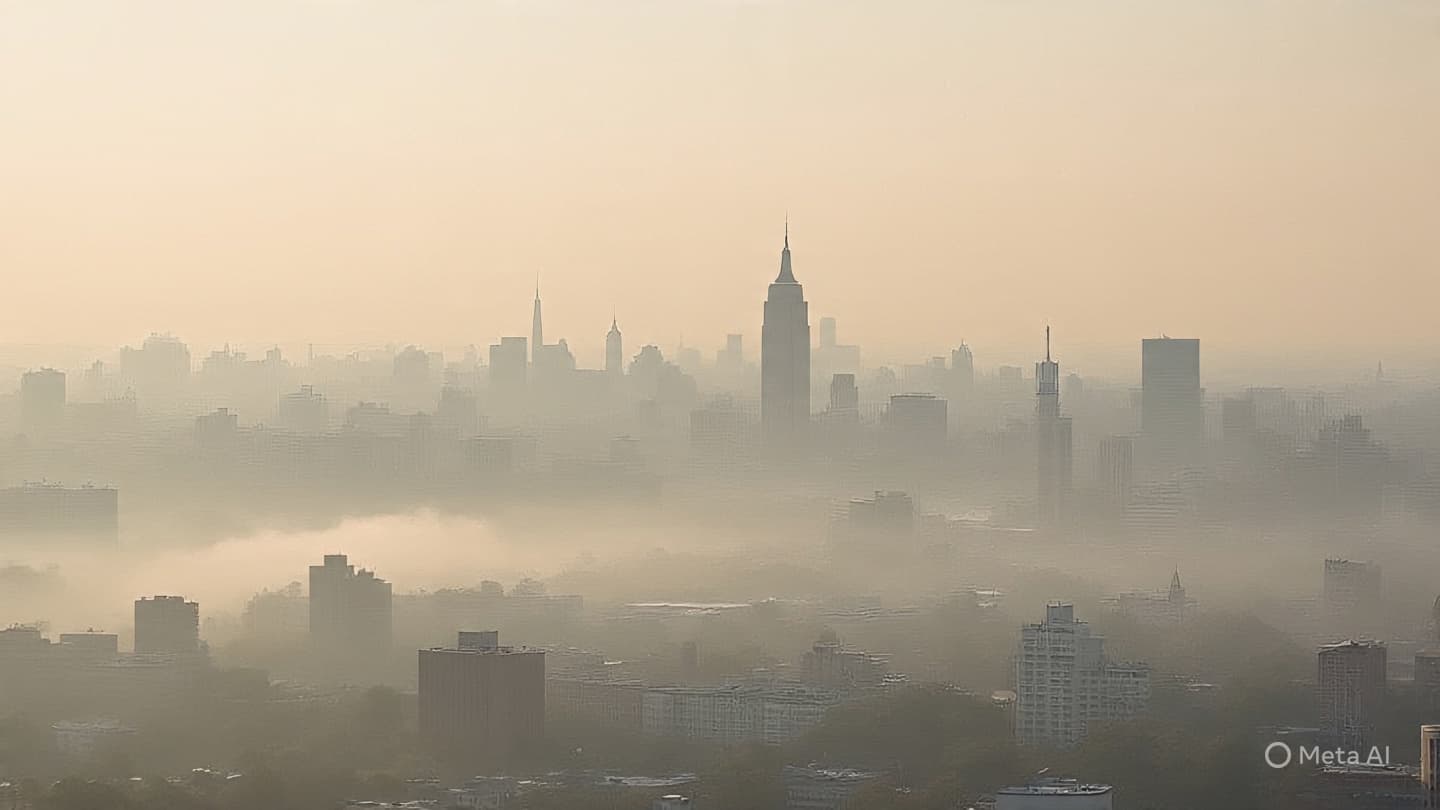
The natural world often communicates its distress in subtle ways, but when those whispers turn into a roar, the consequences can be dire. In northern Thailand, the picturesque city of Chiang Mai is currently enveloped in a thick haze, a direct result of wildfires exacerbated by dry conditions and seasonal weather patterns. This environmental crisis has transformed the once-clear skyline into a muted panorama, where visibility is significantly reduced and the air quality poses serious health risks.
The haze, primarily caused by agricultural burning and forest fires, has prompted local authorities to take immediate action. Emergency measures have been implemented, urging residents to stay indoors and wear masks when venturing outside. Schools have altered their schedules, and outdoor activities have been curtailed as the city grapples with the pressing need to protect public health. Masks, which had become less common in daily life, are now essential accessories for many.
Health experts warn that prolonged exposure to polluted air can lead to serious health complications, particularly for vulnerable groups such as children, the elderly, and those with pre-existing health conditions. The situation serves as a stark reminder that environmental crises often disproportionately affect the most delicate members of society. Local health officials are closely monitoring air quality levels, advising residents to limit outdoor exposure, especially during peak pollution hours.
Despite the challenges posed by the haze, efforts to combat the wildfires are ongoing. Firefighters, local volunteers, and government officials are working tirelessly to control the flames and prevent further damage. Their efforts are crucial in establishing a barrier between destruction and recovery, as they navigate difficult terrains and hazardous conditions to extinguish the fires. The work of these individuals often goes unnoticed, yet it is vital for the community's resilience.
The crisis in Chiang Mai is not an isolated incident; it reflects a broader pattern of environmental challenges faced by many regions around the world. Each year, similar situations arise, prompting discussions about climate change, land management, and public health. However, within these challenges lie opportunities for communities to rethink their approaches to environmental stewardship and public health.
As the haze begins to dissipate, the residents of Chiang Mai are hopeful for clearer skies ahead. This moment serves as a catalyst for change, encouraging a collective commitment to making choices that prioritize both environmental health and community well-being. The lessons learned from this crisis may pave the way for a more sustainable future, where the balance between nature and urban life is respected and maintained.
Published by Banx Network. This article is part of the Banx decentralized media programme, powered by the BXE token on the XRP Ledger.



