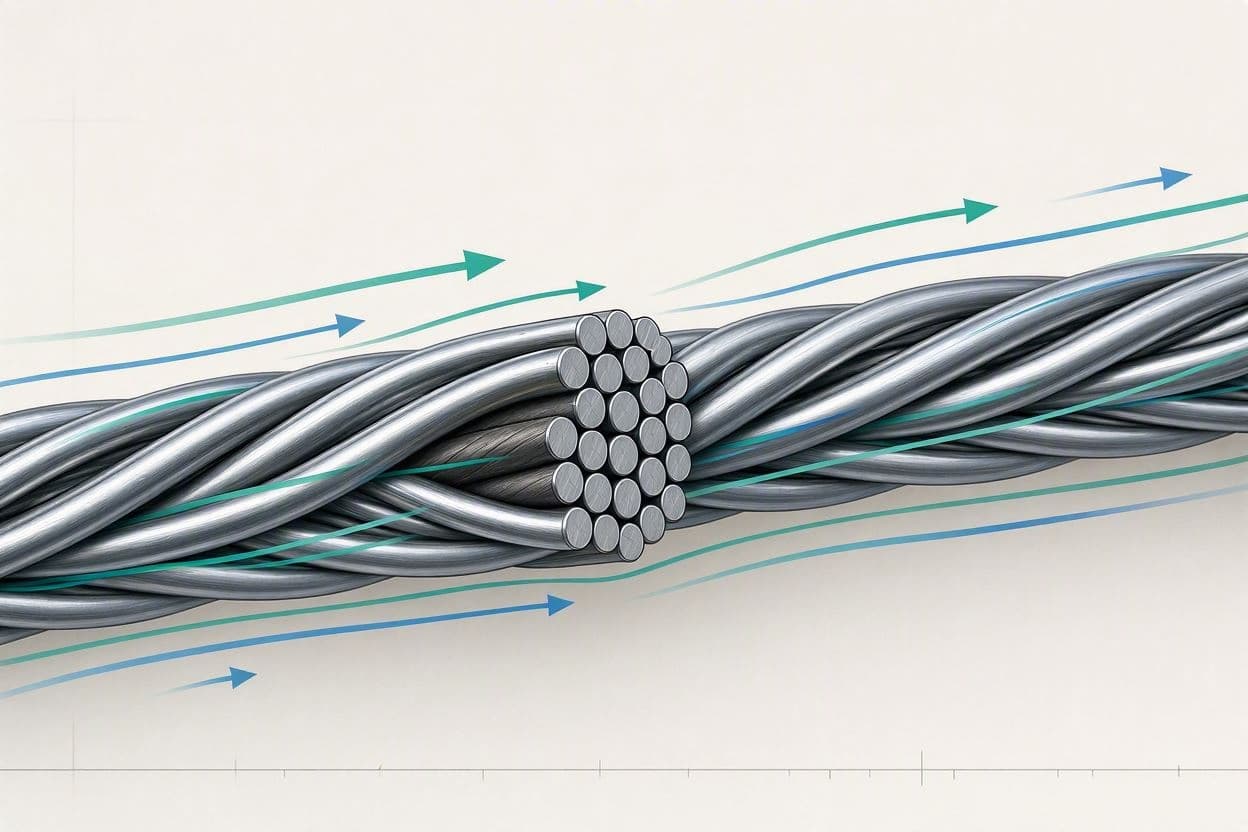
Spanning the Firth of Forth with a grace that belies its immense weight, the Forth Road Bridge is a marvel of mid-20th-century engineering. Yet, beneath its elegant suspension lies a complex internal struggle against time and the elements. Inspectors recently discovered that corrosion had penetrated deep into the heart of the bridge’s main cables, each composed of 11,618 individual steel wires. This hidden decay, resulting in an estimated 8 to 10 percent loss of strength, has prompted a sophisticated and delicate intervention to preserve the structure for future generations.
The discovery was not made by chance but through rigorous inspection protocols designed to peer into the inaccessible core of the suspension system. Corrosion in such environments is insidious, often starting at the surface and working its way inward where moisture can become trapped. The extent of the damage highlighted the vulnerability of even the most robust infrastructure to the relentless attack of humidity and salt air, common challenges for coastal bridges in Scotland.
In response, engineers have implemented a novel preservation strategy: pumping dry air through the cables. By maintaining a low-humidity environment within the cable bundles, the process halts further corrosion and stabilizes the remaining steel. This method, known as dehumidification, acts as a protective breath, keeping the internal atmosphere too dry for rust to form. It is a proactive measure that addresses the root cause of the degradation rather than merely treating the symptoms.
Alongside this preventive care, a sensitive acoustic monitoring system has been installed to listen for the faint sounds of distress. Microphones placed along the length of the cables detect the sharp snap of individual wires breaking under stress. This auditory surveillance allows engineers to monitor the health of the bridge in real-time, identifying potential weak spots before they become critical failures. It is a testament to how modern technology can extend the life of historic structures.
The combination of dry air injection and acoustic monitoring represents a shift in bridge maintenance philosophy. Rather than waiting for visible signs of failure, authorities are now able to manage the structural integrity proactively. This approach not only enhances safety but also reduces the need for disruptive and costly major repairs. It ensures that the bridge remains open and functional while undergoing continuous care.
For the communities that rely on the Forth Road Bridge, these efforts provide reassurance. The bridge is more than a transport link; it is a symbol of connectivity and resilience. Knowing that such advanced measures are in place helps maintain public confidence in the safety of daily commutes and long-distance travel across the estuary.
The story of the Forth Road Bridge is one of adaptation and innovation. As infrastructure ages, the methods used to sustain it must evolve. By integrating cutting-edge technology with traditional engineering principles, Scotland is setting a precedent for how to care for its vital assets. The bridge stands not just as a feat of the past, but as a model for sustainable preservation in the present.
In the end, the battle against corrosion is a quiet one, fought with air and sound rather than steel and concrete. It is a reminder that even the strongest structures require gentle, consistent attention. Through these efforts, the Forth Road Bridge continues to serve, a enduring link between shores and histories.
AI Image Disclaimer: The visual representations in this article are AI-generated illustrations designed to convey the themes of structural engineering and bridge maintenance.
Sources: Structure Magazine, The Engineer, Space Daily, Forth Bridges Forum
Published by Banx Network. This article is part of the Banx decentralized media programme, powered by the BXE token on the XRP Ledger.