The lifting of a state of emergency is often a quiet milestone, marked not by fanfare but by the gradual return of normalcy. In Port Hope Simpson, a remote community in Labrador, this transition signals the end of a tense period defined by the threat of wildfire. As the immediate danger recedes, residents are beginning to exhale, shifting their focus from survival to recovery, and from uncertainty to the steady rhythm of daily life.
For weeks, the town existed under a cloud of anxiety, with smoke obscuring the horizon and evacuation orders looming. The declaration of a state of emergency allowed authorities to mobilize resources and enforce safety measures, but it also imposed restrictions that weighed heavily on the community. Now, with the fire contained and the air clearing, those restrictions are being eased, allowing people to reconnect with their homes and neighbors.
Local officials have emphasized that while the emergency status has ended, vigilance remains necessary. The landscape around Port Hope Simpson is still dry, and the risk of flare-ups persists. Community leaders are urging residents to remain cautious, adhering to fire bans and reporting any signs of smoke. This continued awareness is a testament to the lessons learned during the crisis.
The response to the wildfire highlighted the resilience of rural communities. Neighbors checked on one another, shared supplies, and offered emotional support. In places where formal infrastructure can be limited, these informal networks become lifelines. The experience has strengthened social bonds, creating a sense of solidarity that will likely endure long after the smoke has cleared.
Economic activities, particularly fishing and tourism, are slowly resuming. These industries are vital to the local economy, and their interruption had significant impacts on households. The lifting of the emergency allows businesses to reopen and workers to return to their jobs, providing a much-needed boost to financial stability. It is a step toward restoring the economic heartbeat of the region.
Environmental assessments are underway to understand the full impact of the fire on the surrounding ecosystem. While nature is resilient, such events leave scars that take time to heal. Conservation groups are monitoring wildlife and vegetation, ensuring that recovery efforts are aligned with ecological preservation. This holistic approach recognizes that human well-being is tied to the health of the land.
As the town moves forward, there is a collective sense of gratitude. Gratitude for the firefighters who battled the flames, for the government agencies that provided support, and for the community spirit that held everyone together. This appreciation fosters a positive outlook, turning a traumatic event into a narrative of strength and endurance.
The lifting of the state of emergency in Port Hope Simpson marks a new chapter for the community. While challenges remain, the town stands ready to rebuild and thrive, supported by a renewed sense of unity and caution.
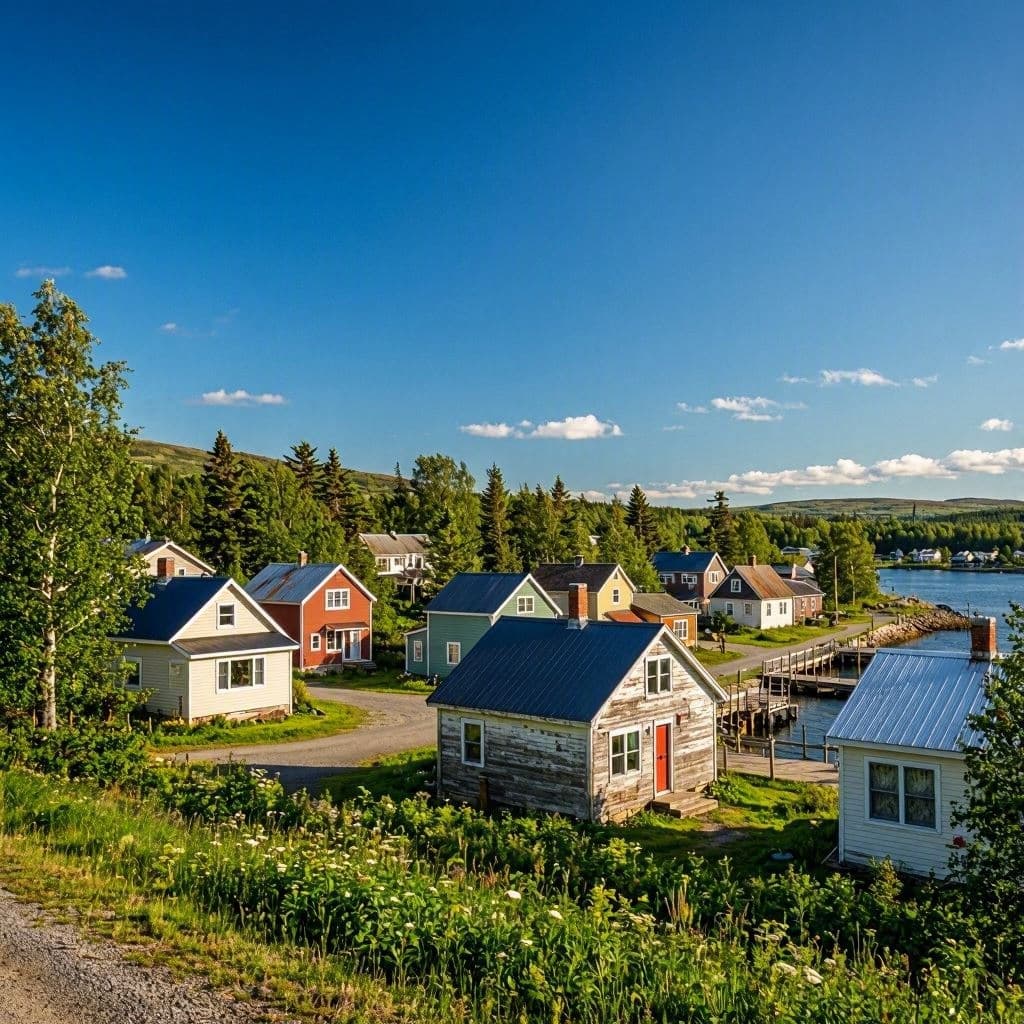
AI Image Disclaimer: The visual elements accompanying this article are generated by artificial intelligence to illustrate the theme of recovery.
Sources: CBC News Newfoundland and Labrador CTV News Atlantic
Published by Banx Network. This article is part of the Banx decentralized media programme, powered by the BXE token on the XRP Ledger.