

Key Highlights
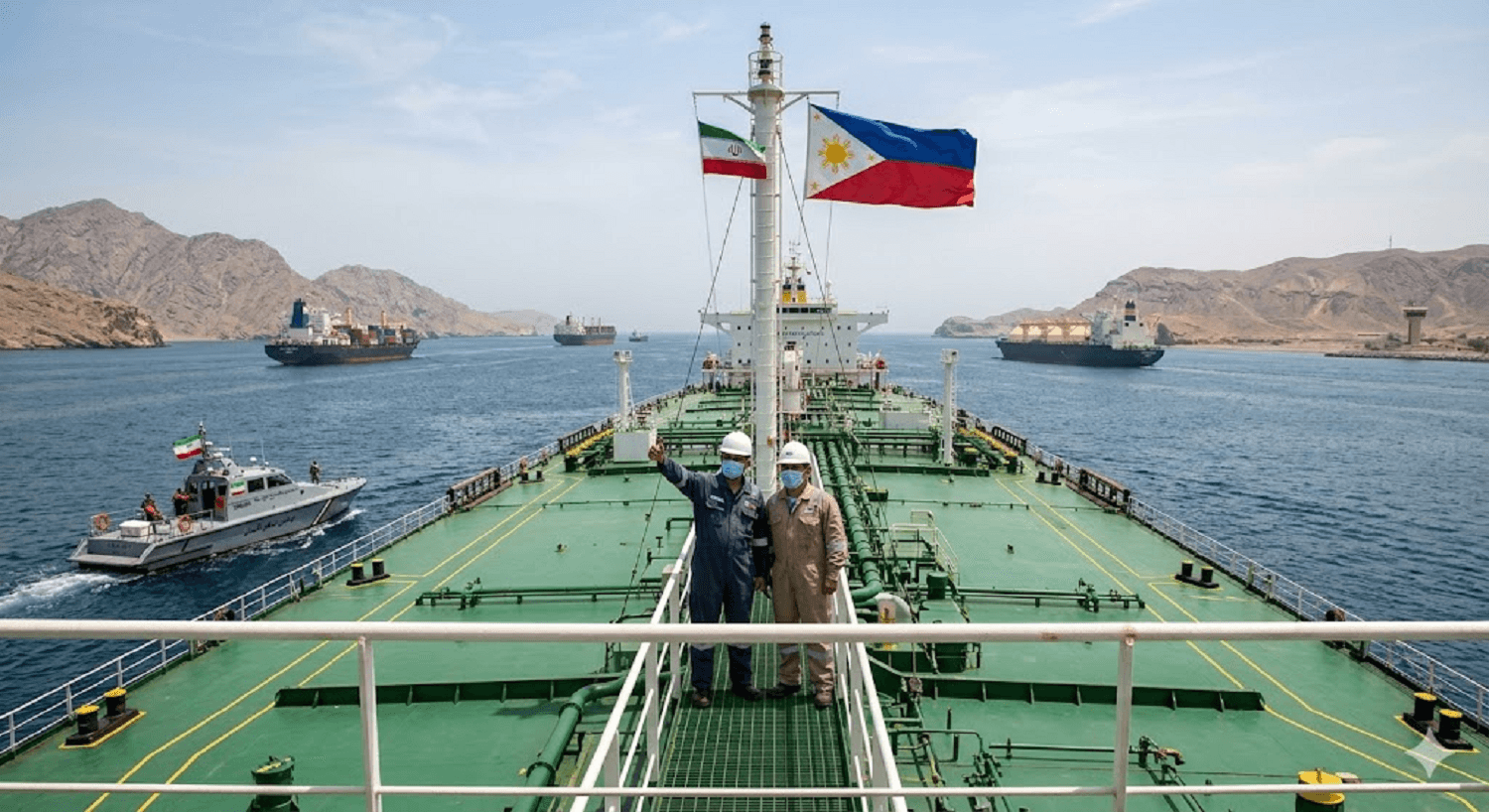
- Iran has granted safe passage for Philippine-flagged vessels through the Strait of Hormuz.
- The agreement was finalized on April 2, 2026, during a call between foreign ministers.
- This development is crucial for the Philippines' energy security amid rising fuel prices.
In a significant diplomatic breakthrough for the Philippines, Iran has officially assured the safe passage of Philippine-flagged vessels through the strategic Strait of Hormuz. This agreement comes at a critical time as the region faces the repercussions of a conflict that began on February 28, leading to the effective closure of this vital maritime chokepoint to most international traffic.
The assurance was finalized on Thursday, April 2, 2026, during a high-level phone conversation between Philippine Foreign Affairs Secretary Ma. Theresa P. Lazaro and her Iranian counterpart, Foreign Minister Seyed Abbas Araghchi. During this call, Minister Araghchi confirmed that Iran will allow the "safe, unhindered, and expeditious" transit of Philippine vessels, energy shipments, and all Filipino seafarers. This move follows a formal request from Manila to designate the Philippines as a "non-hostile country," a status Iran has reserved for nations not involved in recent military aggressions.
Both diplomats characterized the conversation as exceptionally productive, effectively paving the way for deeper bilateral cooperation on essential energy and fertilizer supplies. For the Philippines, an import-dependent archipelago of 116 million people, the opening of the Strait is a critical lifeline. Secretary Lazaro emphasized the importance of this development, stating, "This positive development is vital for the Philippines, as it will not only ensure the safety of our seafarers operating in the area but will also help secure our energy requirements during this state of national emergency."
The Philippines relies heavily on imports for its crude oil and fertilizers, primarily sourced from the Middle East. With fuel prices reaching historic highs in Manila over the past month, the guaranteed flow of tankers from the Persian Gulf is expected to stabilize the domestic market and provide much-needed relief to the transport and agricultural sectors. The Strait of Hormuz remains one of the world's most sensitive maritime corridors, with nearly 20% of global oil and liquefied natural gas (LNG) passing through its narrow waters.
While Iran has maintained a strict stance against vessels linked to the U.S. and Israel, this agreement highlights a positive understanding between Tehran and Manila. Department of Foreign Affairs (DFA) officials noted that all detailed transit requests will now be channeled through official diplomatic corridors to expedite processing. As Filipino-crewed ships prepare to resume their routes, this agreement serves as a rare example of successful maritime diplomacy in an increasingly volatile global landscape.
The implications of this agreement extend beyond immediate economic relief; it signifies a potential shift in regional dynamics and the Philippines' strategic positioning in international maritime affairs. As the situation evolves, the Philippines will be closely monitoring the developments in the Strait of Hormuz to ensure the continued safety and security of its maritime interests.
Published by Banx Network. This article is part of the Banx decentralized media programme, powered by the BXE token on the XRP Ledger.




